Why Microwave Heats Unevenly: A Practical Guide for Kolkata Homes
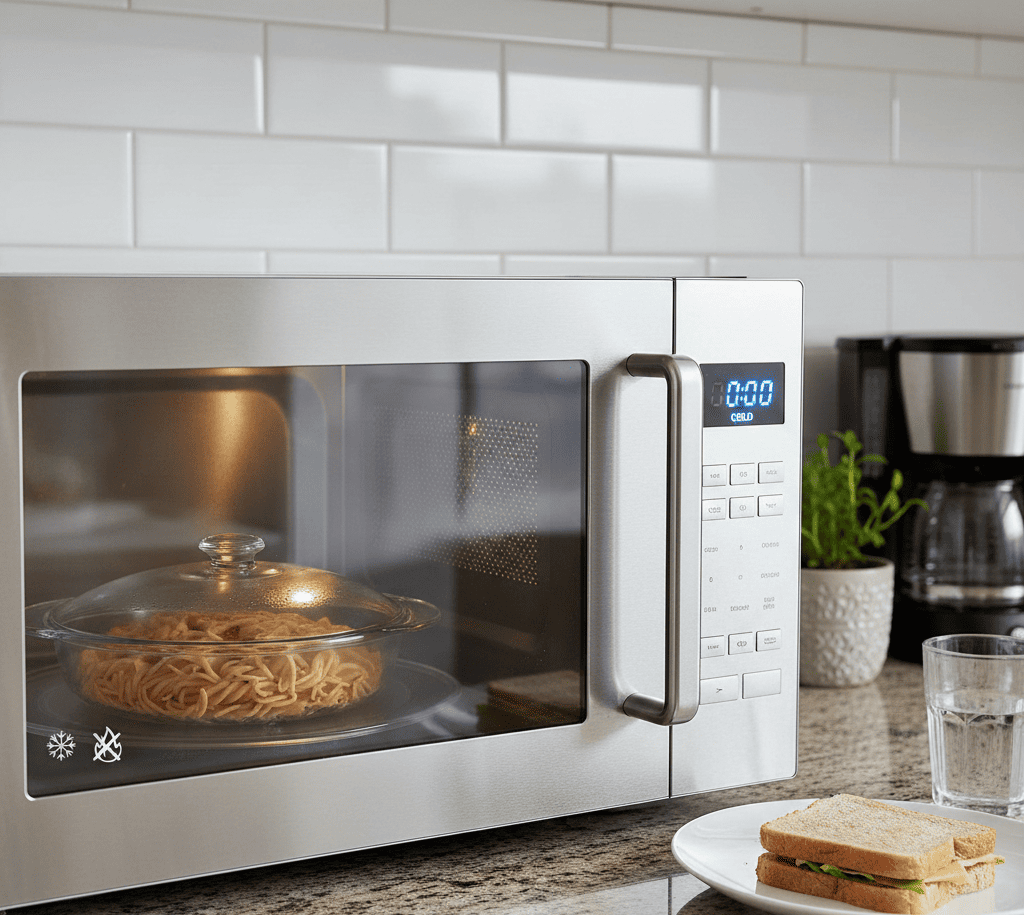
Uneven heating in a microwave is a common problem in many Kolkata households. You place food inside, set the timer, and after heating you find one side burning hot while the other side is still cold. Sometimes the edges are overheated, but the center remains undercooked. This can be frustrating, waste food, and in some cases even become a health concern.
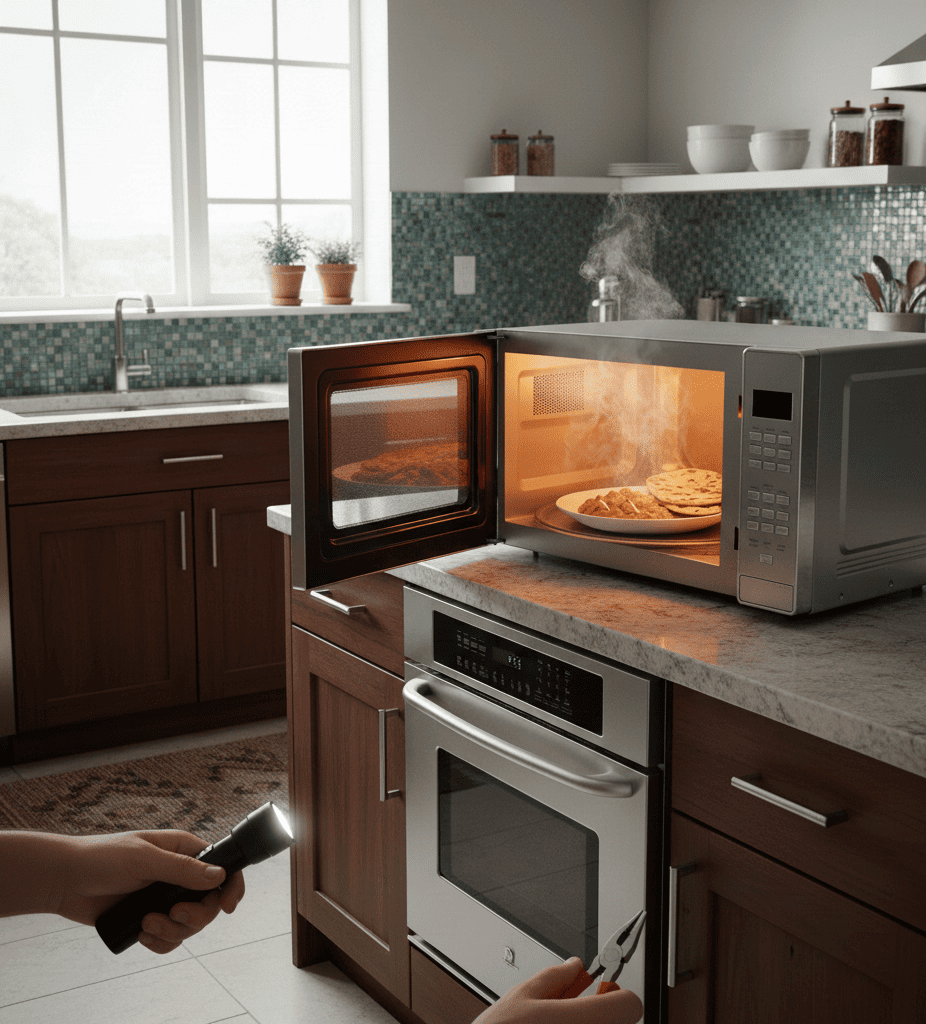
Many people in Kolkata assume uneven heating means the microwave is faulty and needs immediate replacement. In reality, that is not always true. In most cases, uneven heating happens due to how microwaves work, how food is placed, or how the appliance is used daily. However, if the problem continues repeatedly, it may also point to internal issues that should not be ignored.
This guide explains why microwaves heat unevenly, what causes are common in Kolkata homes, what you can fix yourself, and when professional microwave repair becomes necessary.
How Microwaves Heat Food (In Simple Terms)
A microwave does not heat food like a gas stove or oven. It uses electromagnetic waves to heat water molecules inside the food. These waves bounce around inside the microwave cavity and excite the water molecules, which produces heat.
The important thing to understand is that microwave energy does not naturally spread evenly. That is why microwaves are designed with turntables or internal stirrers to distribute energy as evenly as possible.
When this distribution is disturbed, uneven heating occurs.
Common Reasons Microwaves Heat Unevenly in Kolkata Homes
Uneven Food Size and Thickness
One of the most common reasons for uneven heating is uneven food thickness. Thicker portions take longer to heat, while thinner edges heat faster.
For example, rice packed tightly in the center of a bowl or a large piece of fish will heat unevenly. The outside becomes hot quickly, while the inside stays cold.
This is normal microwave behavior and not a fault.
Incorrect Food Placement on the Turntable
Many people place food exactly in the center of the microwave plate. This actually reduces even heating.
Microwave energy tends to circulate in patterns inside the cavity. Placing food slightly off-center allows it to move through more energy zones as the turntable rotates, improving heat distribution.
This simple adjustment helps a lot.
Turntable Not Rotating Properly
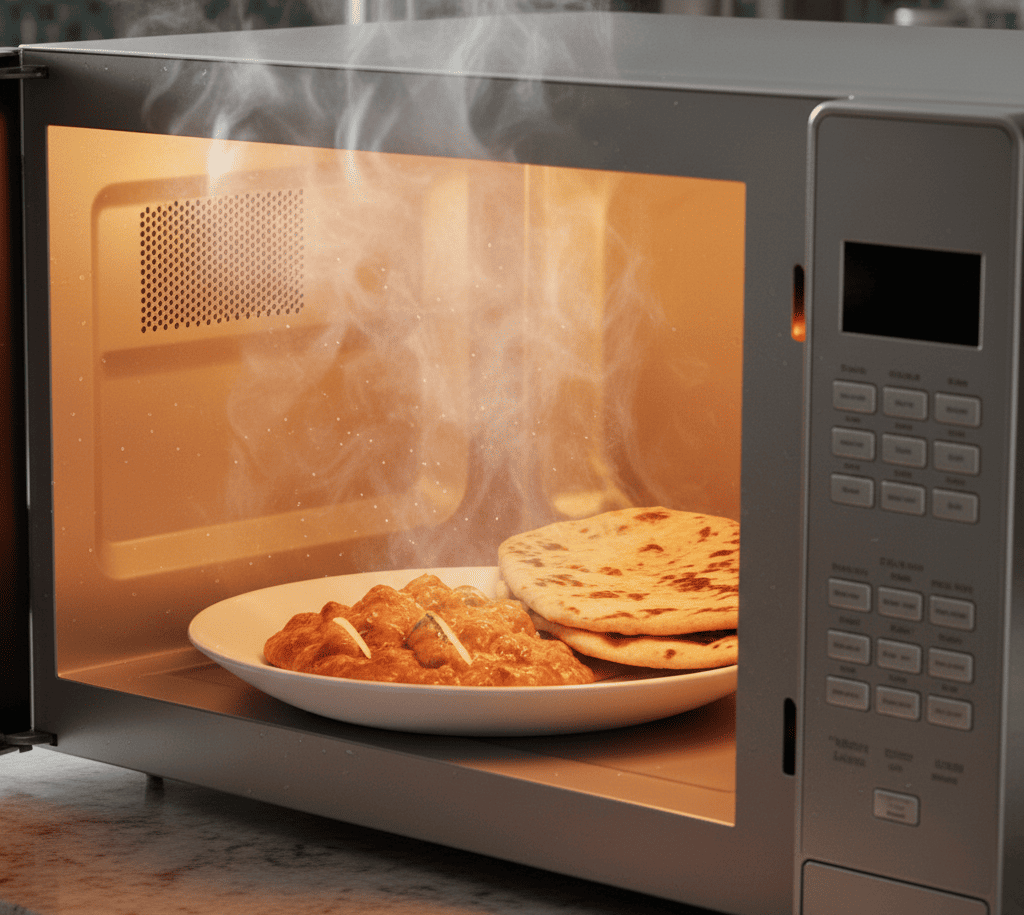
The turntable plays a key role in even heating. If it is not rotating correctly, food stays in one spot and heats unevenly.
In Kolkata kitchens, this problem often happens due to:
- Food spills stuck under the roller ring
- Improper placement of the glass tray
- Worn-out turntable motor
Many users overlook this and continue using the microwave without checking the rotation.
Overloading the Microwave
Heating too much food at once causes uneven heating. When the microwave is overloaded, energy is shared across a larger mass, and some areas do not receive enough heat.
Large steel bowls replaced with thick microwave-safe containers can still cause this issue if food is tightly packed.
Using the Wrong Containers
Not all containers allow microwaves to pass through evenly. Decorative ceramic bowls, thick plastic containers, or cracked dishes can block microwave energy.
In Kolkata homes, it is common to use traditional bowls that may not be microwave-safe. These containers cause hot and cold spots.
Always use containers labeled microwave-safe, preferably glass or ceramic without metallic paint.
Low Moisture Food
Microwaves heat water molecules. Foods with low moisture content such as bread, dry rice, or leftover fried items often heat unevenly.
This is why dry foods feel hot in some places and cold in others.
Internal Microwave Problems That Cause Uneven Heating
If uneven heating happens regularly despite correct usage, internal issues may be involved.
Weak or Failing Magnetron
The magnetron is the component that generates microwave energy. Over time, especially in areas with frequent voltage fluctuations like parts of Kolkata, the magnetron can weaken.
A weak magnetron produces inconsistent energy, leading to uneven heating or reduced heating power.
This is not a DIY fix.
Damaged Waveguide Cover
The waveguide directs microwave energy into the cooking area. If the waveguide cover is burnt, greasy, or cracked, energy distribution becomes uneven.
In humid climates like Kolkata, grease buildup happens faster and can damage the waveguide cover if cleaning is neglected.
Power Supply and Voltage Issues
Microwaves require stable voltage to operate properly. In some Kolkata localities, voltage fluctuations are common.
Unstable power supply can reduce microwave output temporarily, causing uneven heating even if the microwave is otherwise fine.
User Habits That Make Uneven Heating Worse
Many uneven heating problems are caused by daily habits rather than machine faults.
Not stirring food during reheating is a major reason. Liquids, curries, and gravies should be stirred halfway to distribute heat evenly.
Skipping resting time after heating also causes uneven results. Microwaves continue cooking food for a short time after stopping. Allowing the food to sit for one or two minutes helps balance internal temperature.
Using maximum power for everything is another issue. High power heats the outside too quickly while the inside remains cold.
Simple Fixes You Can Try at Home
Before calling a technician, try these practical steps.
Cut food into smaller, evenly sized pieces.
Spread food evenly instead of stacking it.
Place thicker portions toward the outer edge of the plate and thinner portions toward the center.
Cover food with a microwave-safe lid to trap steam.
Use medium power for longer heating instead of high power for short bursts.
Pause halfway, stir or rotate food manually, and continue heating.
Clean the microwave regularly, especially the interior walls and ceiling.
These steps solve uneven heating in many cases.
When Uneven Heating Becomes a Safety Issue
Uneven heating is not just about taste or convenience. It can be a health risk.
Food that appears hot outside but remains cold inside may not reach safe temperatures. This is especially dangerous for meat, fish, eggs, and leftovers.
Cold spots can allow bacteria to survive, increasing the risk of food poisoning.
If your microwave consistently leaves food cold in the center even after extended heating, it should be checked.
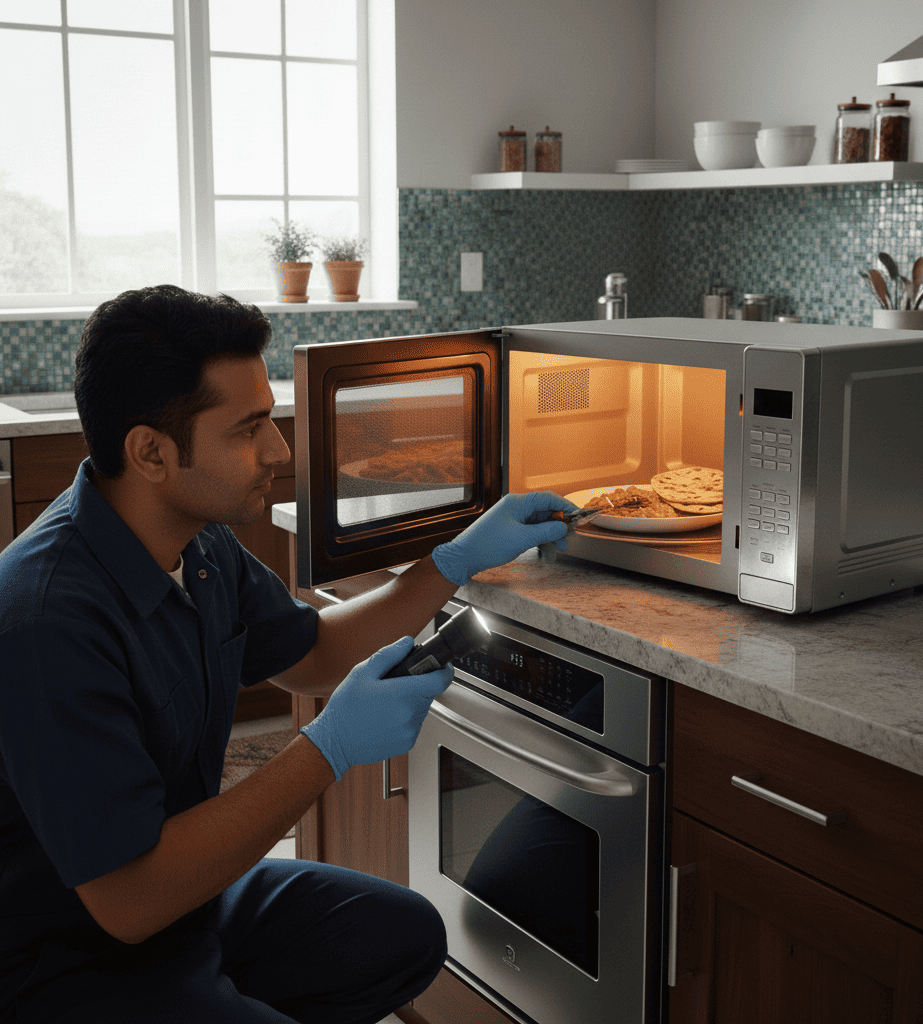
When to Call a Microwave Repair Expert in Kolkata
You should consider professional microwave repair if:
- The turntable does not rotate even after cleaning
- Heating performance has suddenly dropped
- Food remains cold no matter how long you heat it
- You hear unusual noises during operation
- Uneven heating happens with all types of food
Internal components store high-voltage electricity and should never be handled at home.
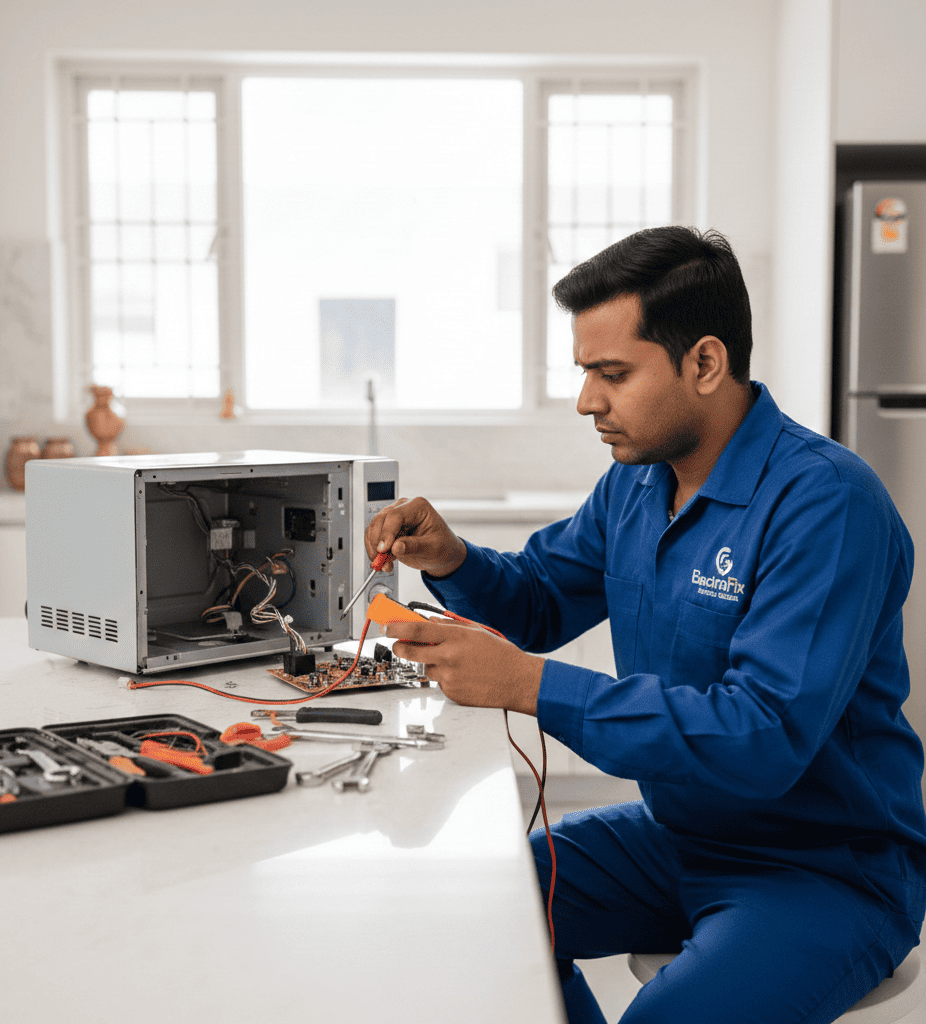
A trained technician can safely diagnose whether the issue is with the magnetron, waveguide, power supply, or other internal parts.
Final Thoughts
Uneven microwave heating is common and often caused by simple usage mistakes. In many Kolkata homes, changing food placement, container choice, and heating habits solves the problem.
However, if uneven heating continues despite correct use, it may indicate internal wear or electrical issues that require professional attention.
Understanding how your microwave works helps you use it better and avoid unnecessary risks. A properly functioning microwave should heat food safely and evenly.
If basic fixes do not help, expert inspection is the safest and smartest option.
If your microwave is heating unevenly, don’t ignore it. This issue can affect food safety and damage internal components over time.
👉 Get professional microwave repair in Kolkata today:
https://repairexpertindia.in/microwave-oven-repair-in-kolkata/
Trusted diagnosis, safe repair, and experienced local technicians.