How to Prevent Microwave Rusting in Kolkata Homes
Microwave ovens are widely used in Kolkata households for reheating meals, preparing quick snacks, and managing busy daily routines. Over time, however, many homeowners notice an unexpected issue inside the microwave — rust forming on the interior surface. What often starts as a small brown spot can slowly spread, affecting both hygiene and appliance performance.
Kolkata’s humid climate, long monsoon season, and steam-heavy cooking habits increase the chances of rust developing inside microwave ovens. While modern microwaves are designed with protective coatings, these coatings can wear down if the appliance is not maintained properly.
This guide explains why microwave rusting happens in Kolkata homes and how you can prevent it with practical, everyday habits.
Why Microwave Rusting Is More Common in Kolkata
Rust is caused when metal is exposed to moisture and air over a long period. Inside a microwave, rust usually appears only after the protective enamel coating is damaged.
In Kolkata, rusting is more common because of:
- High humidity throughout the year
- Extended monsoon months
- Frequent reheating of rice, curries, and gravies
- Steam buildup in compact kitchens
- Limited ventilation in older apartments
When moisture remains trapped inside the microwave after use, it slowly weakens the inner coating. Once the coating breaks, rust begins to form.
Common Areas Where Rust Starts Inside a Microwave
Rust does not usually appear randomly. It often begins in specific spots.
Watch closely for rust near:
- Interior corners and edges
- The base under the turntable
- Around the door frame
- Areas where food frequently splashes
These areas are more exposed to moisture and heat stress, making them vulnerable to corrosion.
Always Let Moisture Escape After Use
One of the simplest ways to prevent rust is to reduce moisture buildup.
After using the microwave:
- Leave the door open for a few minutes
- Allow steam to escape fully
- Let the interior dry naturally
In Kolkata’s humid environment, closing the door immediately after heating traps moisture inside. Over time, this repeated exposure accelerates rust formation.
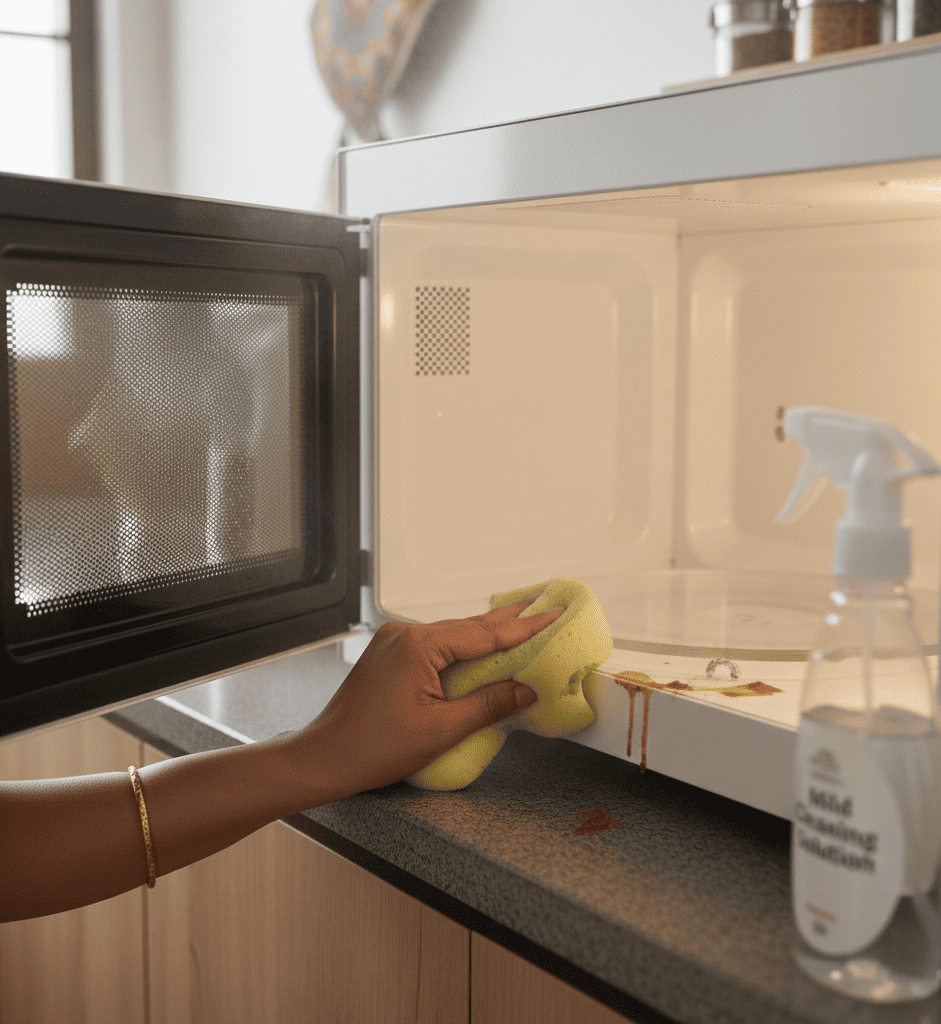
Clean Food Spills Without Delay
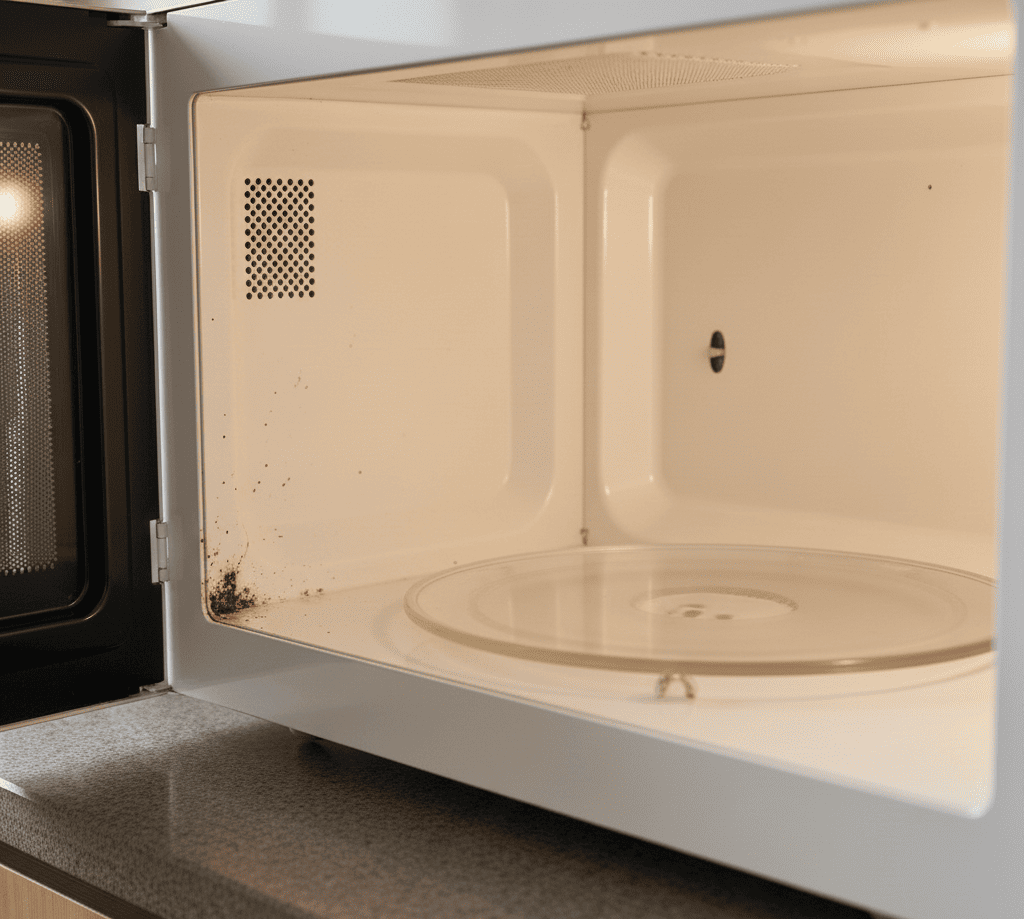
Food spills may look harmless, but they are one of the main causes of rust.
When food splashes are left inside:
- Salt and acids weaken the protective coating
- Moist residue stays on the metal surface
- Heat cycles worsen surface damage
Make it a habit to wipe spills as soon as the microwave cools down. Use a soft cloth with mild soap or warm water. Avoid aggressive scrubbing, which can damage the coating.
Use Only Proper Microwave-Safe Containers
Improper containers often damage the interior surface without being noticed.
Avoid using:
- Metal or steel utensils
- Containers with chipped paint
- Old plastic containers without microwave-safe marking
- Utensils with metallic edges or designs
Sparks caused by metal or damaged containers can burn the interior coating. Once the coating is damaged, rust develops quickly, especially in Kolkata’s humid air.
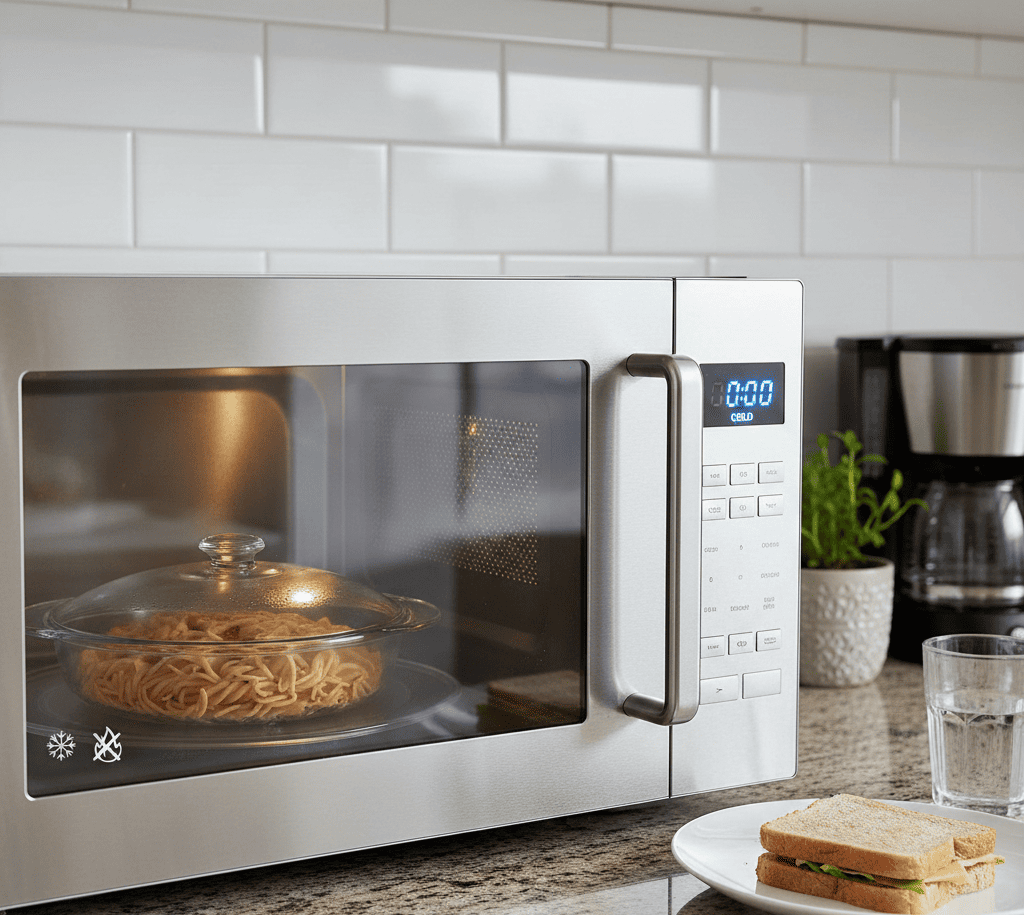
Use a Microwave Cover for Daily Cooking
Using a microwave-safe cover is a simple habit that makes a big difference.
Benefits include:
- Prevents food splatter on walls
- Reduces moisture accumulation
- Protects the enamel coating
In Kolkata households where curries, dals, and rice dishes are reheated often, covers help maintain a cleaner and drier interior.
Avoid Harsh Cleaning Methods
Improper cleaning can remove the microwave’s protective layer.
Never use:
- Steel scrubbers
- Abrasive powders
- Strong chemical cleaners
These can scratch the surface and expose metal underneath.
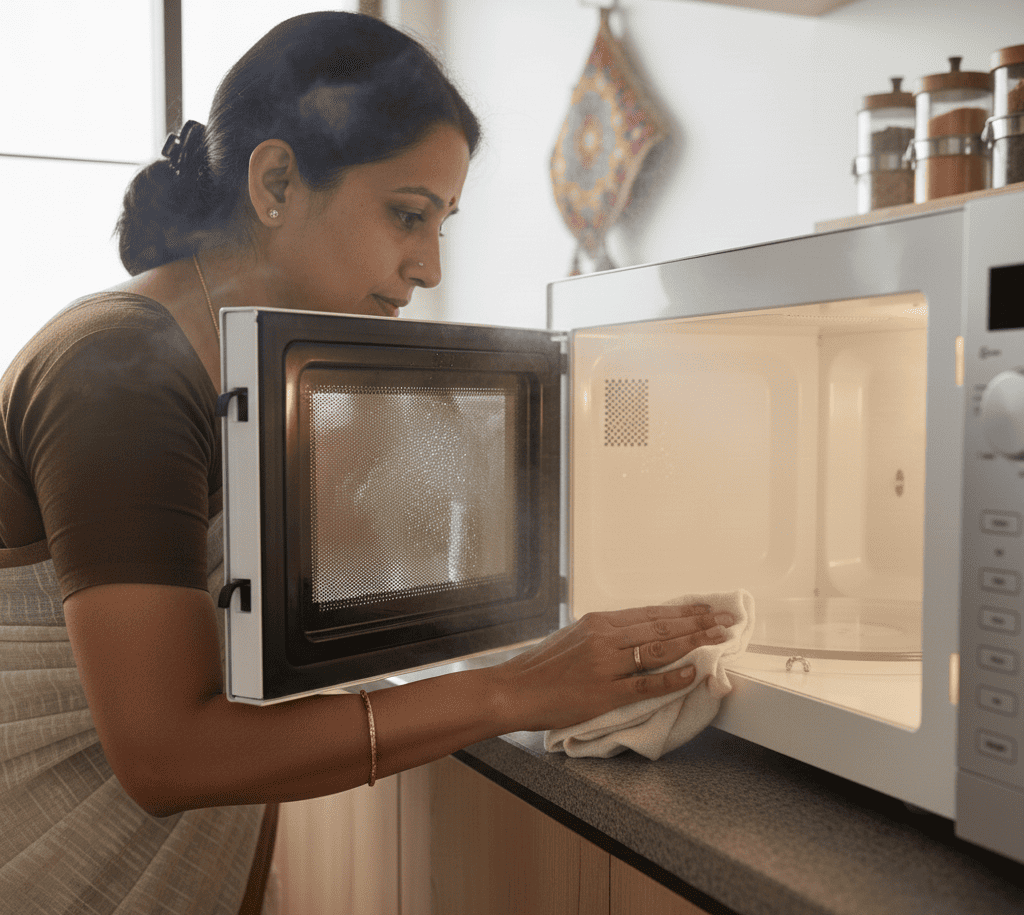
Instead, clean using:
- Mild dish soap and warm water
- Diluted vinegar solution
- Lemon water for odor removal
Gentle cleaning keeps the protective coating intact and prevents rust from forming.
Ensure Proper Ventilation Around the Microwave
Microwave ovens generate heat and moisture during operation. Without airflow, condensation builds up.
Avoid placing the microwave:
- Inside tightly closed cabinets
- Against walls with no airflow
- Near water sources like sinks
In many Kolkata kitchens, space is limited, but even small ventilation gaps can significantly reduce moisture buildup and rust risk.
Inspect Door Seals and Edges Regularly
Rust often starts near the door edges where moisture collects.
Check for:
- Food residue stuck near the seal
- Moisture accumulation along the door frame
- Cracks or wear in the seal
A damaged door seal allows moisture to seep into areas that are difficult to clean, leading to hidden rust.
Do Not Run the Microwave Empty or Overheat Food
Empty operation and overheating create excessive heat stress.
This can:
- Damage the enamel coating
- Cause surface cracks
- Expose metal underneath
Always ensure there is food or liquid inside before starting the microwave and avoid unnecessary long heating cycles.
Handle Early Rust Spots Carefully
If you notice small rust patches:
- Stop using the microwave temporarily
- Avoid scraping or scratching the area
- Clean gently and keep the area dry
Early rust can sometimes be managed if addressed quickly. Ignoring it allows corrosion to spread deeper.
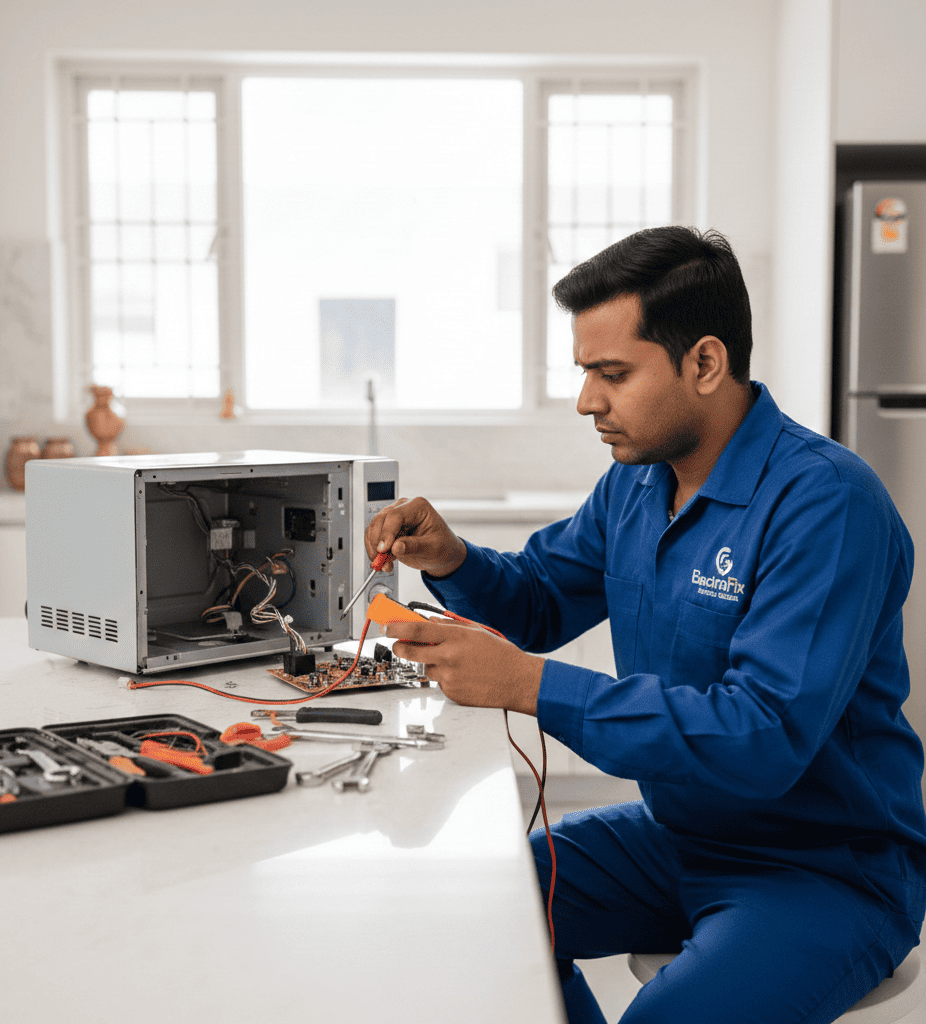
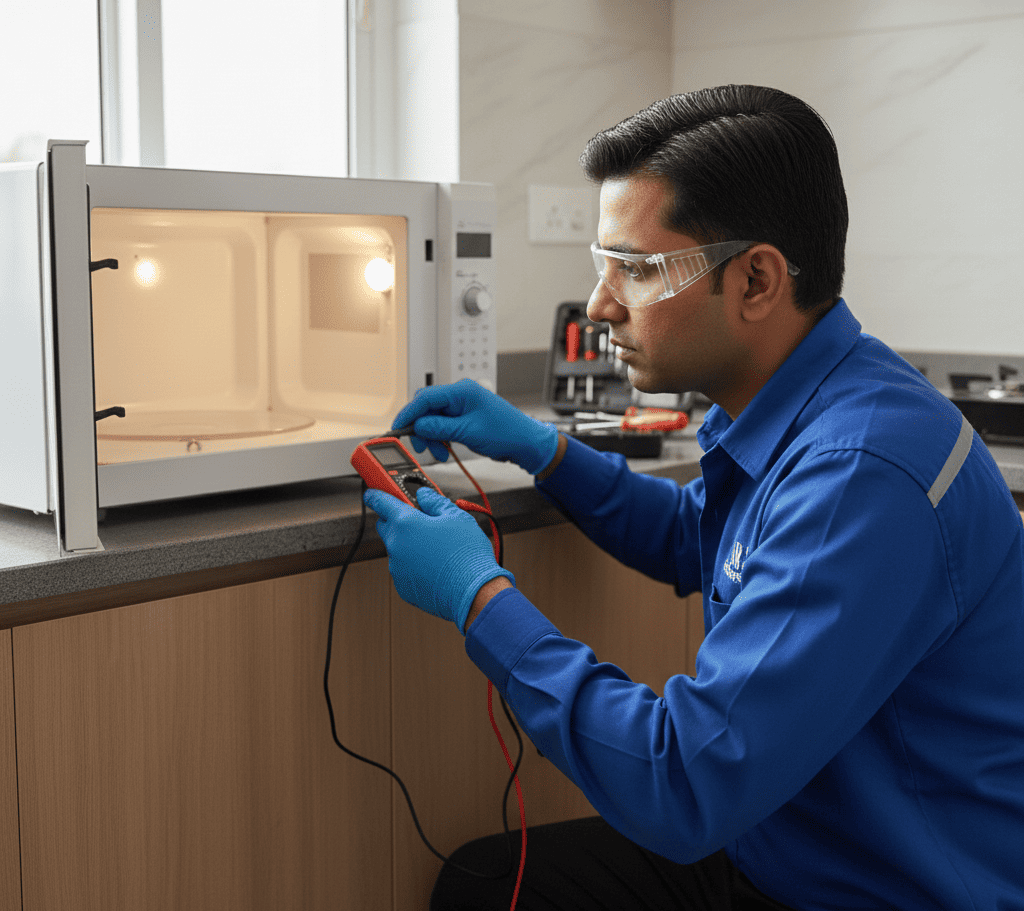
When Professional Inspection Is Necessary
Some rust issues require expert attention.
Consult a professional if:
- Rust spreads over large areas
- Metal becomes visible under the coating
- Rust appears near vents or door edges
- Heating performance changes
A trained technician can assess whether the microwave is safe to use or needs repair. In Kolkata, early inspection can prevent costly replacements.
Keep the Kitchen Environment Dry
Rust prevention is not limited to the microwave alone.
To reduce overall moisture:
- Use exhaust fans while cooking
- Keep windows open when possible
- Wipe kitchen surfaces regularly
A drier kitchen environment reduces corrosion risk for all appliances.
When Replacement Is the Safer Option
In some cases, rust damage becomes too severe.
Consider replacement if:
- Rust covers large interior sections
- Structural metal is exposed
- Safety becomes a concern
Using a heavily rusted microwave is unsafe and unhygienic.
Final Thoughts
Microwave rusting is a gradual problem that often goes unnoticed until it becomes serious. In Kolkata’s humid climate, prevention requires small but consistent habits.
Keeping the microwave dry, cleaning spills promptly, using proper cookware, and maintaining ventilation can significantly extend appliance life. Addressing early rust signs and seeking professional advice when needed helps avoid safety risks.
With proper care, your microwave can remain reliable, hygienic, and safe for daily use over many years.