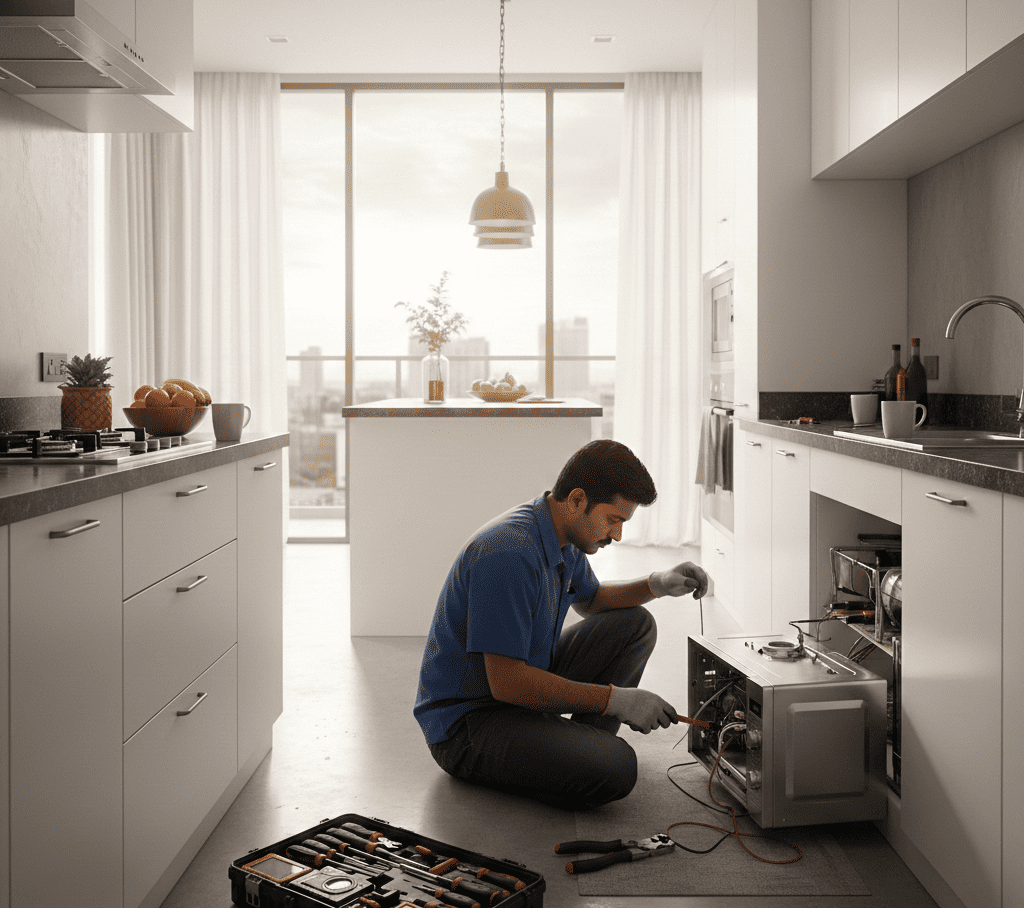
Why Microwave Heats Unevenly in Hyderabad Homes
If you have ever taken food out of your microwave and noticed one side is piping hot while the other side is still cold, you are not alone. Uneven heating is one of the most common microwave problems faced by households in Hyderabad. From reheated biryani to simple milk warming, this issue can be frustrating and sometimes even unsafe.
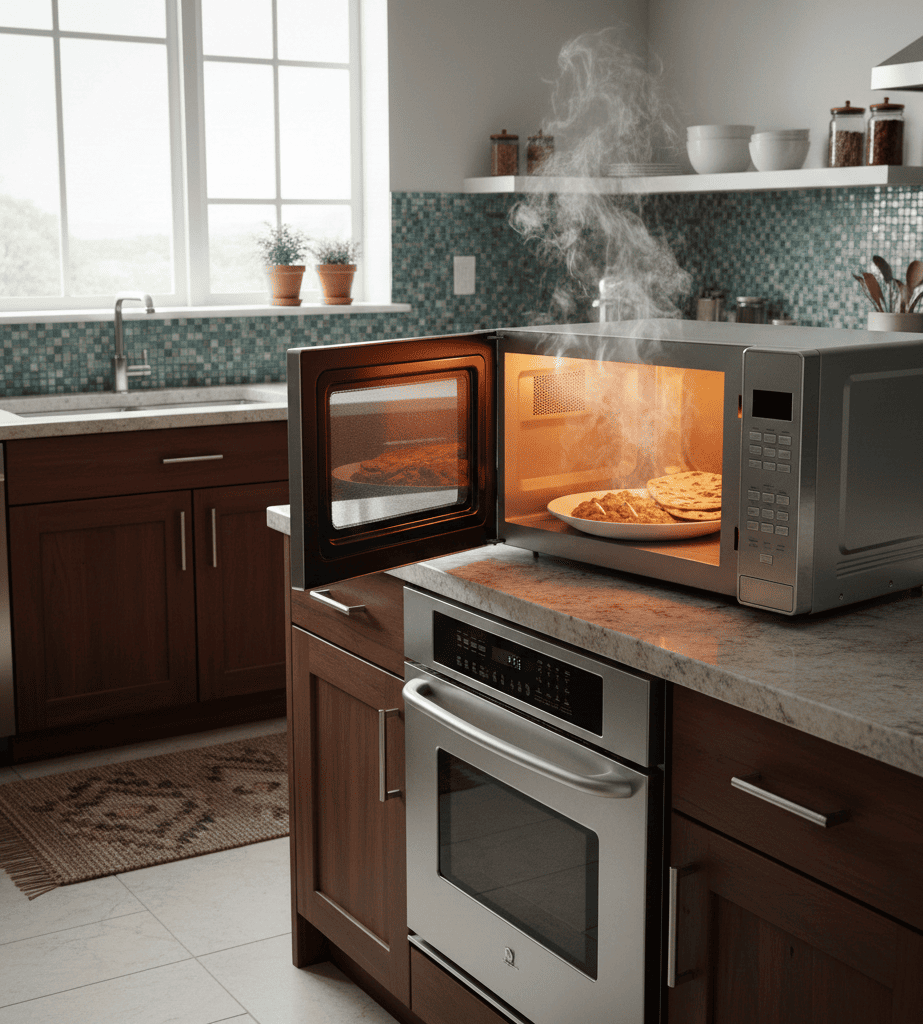
Many people assume uneven heating means the microwave is about to stop working completely. In reality, the reasons are often simpler, and understanding them can help you decide whether it is a usage issue, a maintenance problem, or a repair concern.
Hyderabad’s climate, cooking habits, and power conditions also play a role in how microwave ovens behave over time. Let us break this down clearly.
How a Microwave Is Supposed to Heat Food
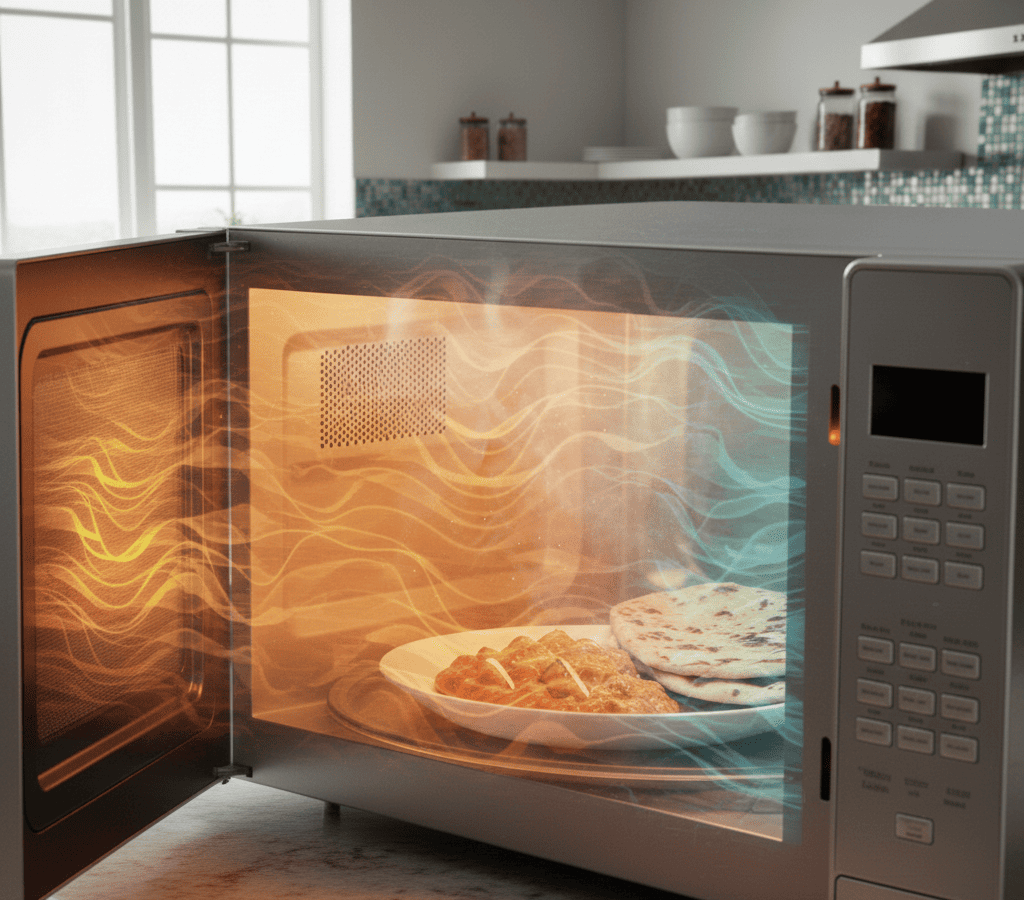
A microwave does not heat food from the outside like a gas stove. It works by producing microwave radiation that excites water molecules inside the food. When these molecules vibrate, heat is generated internally.
Ideally, the microwave energy should be evenly distributed inside the oven cavity so that food heats uniformly. To help with this, most microwaves use a rotating turntable or an internal fan system to scatter the waves.
When this balance is disturbed, uneven heating starts to happen.
Common Reasons Microwaves Heat Unevenly in Hyderabad
1. Turntable Not Rotating Properly
In many Hyderabad homes, microwaves are used daily, sometimes multiple times a day. Over time, the turntable motor can weaken or the roller ring underneath can get jammed with food residue.
If the plate is not rotating smoothly, microwave energy focuses on one part of the food while leaving the rest underheated. This is one of the most overlooked reasons because people often do not notice the plate has stopped rotating.
Dust accumulation, spilled gravy, or oil droplets common in Indian cooking can easily block smooth movement.
2. Food Placement Inside the Microwave
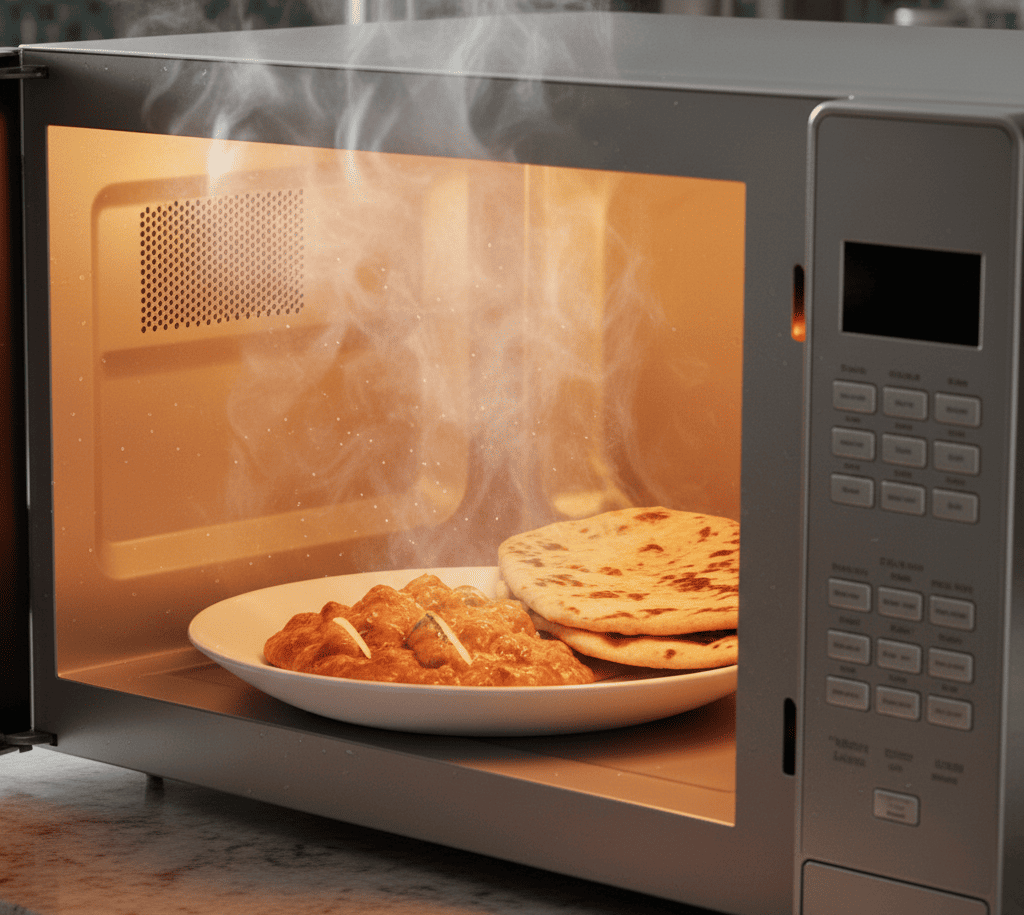
Placing food in the center of the plate may seem logical, but it is not always the best option. Microwaves distribute energy unevenly by nature, creating hot and cold spots inside the cavity.
When food is placed only in the center, it may miss the strongest energy zones. Spreading food in a circular pattern or placing thicker portions toward the outer edge often improves heating.
In Hyderabad kitchens, large portions like rice, curries, and leftovers stored in deep containers make this issue more noticeable.
3. Magnetron Aging or Weakening
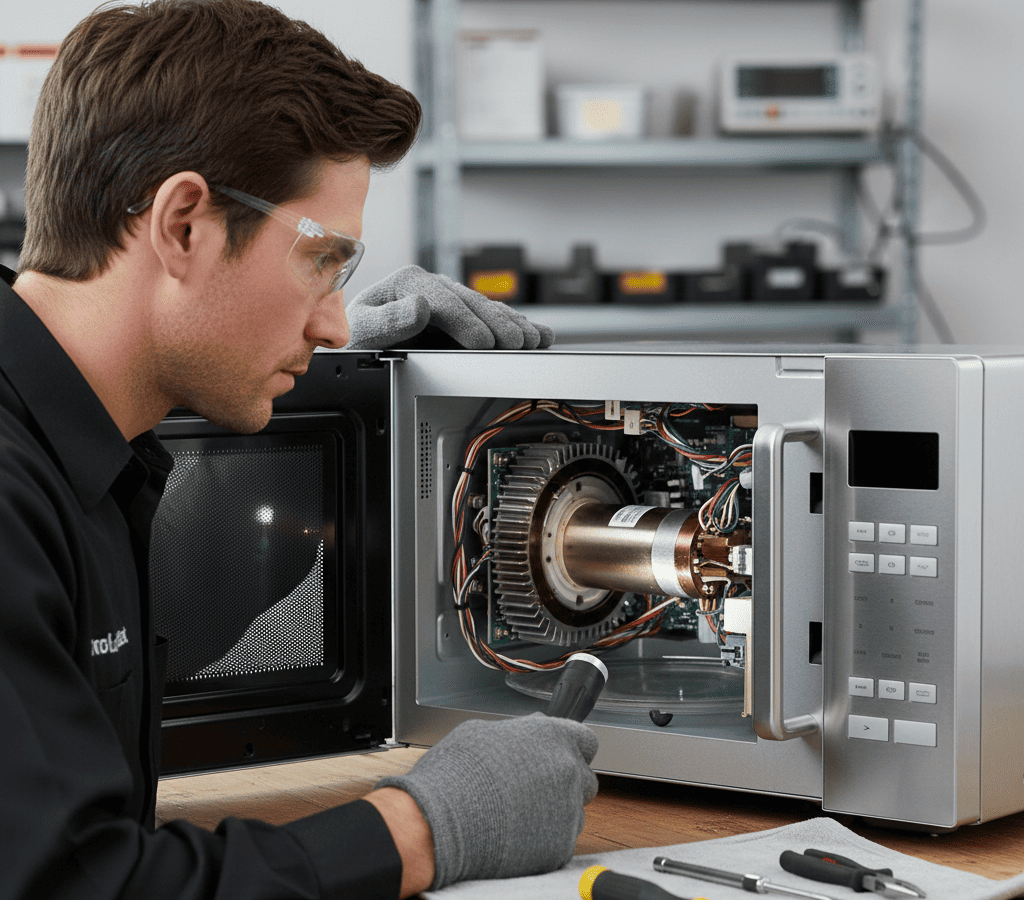
The magnetron is the heart of the microwave. It generates the microwave energy used for heating. Over time, especially in areas with voltage fluctuations like some parts of Hyderabad, the magnetron can weaken.
A weak magnetron does not distribute energy evenly, resulting in partial heating. Food may be warm on the surface but cold inside.
This problem usually develops gradually, which is why many users do not notice it immediately.
4. Power Supply Fluctuations
Hyderabad experiences occasional voltage drops, especially during summer months when electricity demand is high. Microwaves require stable power to function efficiently.
When voltage is low, the microwave may still turn on but will not generate enough energy to heat food properly. This leads to inconsistent results even when cooking the same item repeatedly.
Using the microwave on a dedicated power socket with proper earthing helps reduce this issue.
5. Using Incorrect Containers
Metal bowls, thick ceramic dishes, or uneven plastic containers can block or reflect microwave energy. This causes certain parts of the food to overheat while others remain cold.
In many households, microwaves are used with traditional utensils that are not microwave-safe. This is especially common when reheating leftover food quickly.
Using flat, microwave-safe glass or approved plastic containers improves energy distribution.
6. Overloading the Microwave
Trying to heat large quantities of food at once can overwhelm the microwave’s capacity. When food is stacked or overcrowded, waves cannot penetrate evenly.
This is common during family gatherings or festivals in Hyderabad, when large portions are reheated quickly.
Breaking food into smaller portions and heating in stages usually solves this issue.
7. Dirty Interior Walls
Oil splashes, moisture buildup, and food particles stick to the interior walls over time. These residues absorb microwave energy instead of reflecting it back toward the food.
In humid weather, common in Hyderabad during monsoon season, moisture buildup becomes more significant.
Regular interior cleaning helps maintain proper wave reflection and consistent heating.
Is Uneven Heating Dangerous?
Uneven heating is not just inconvenient; it can also be unsafe. Cold spots in food can allow bacteria to survive, especially in meat, rice, and dairy items.
This is why reheated food sometimes smells fine but causes stomach issues later. Proper heating is essential for food safety, not just taste.
Simple Steps to Improve Heating at Home
- Always ensure the turntable is rotating freely
- Stir food halfway through heating when possible
- Avoid deep or narrow containers
- Do not overload the microwave
- Clean the interior weekly, especially after spills
- Use microwave-safe cookware only
These small habits can significantly reduce uneven heating issues.
When Uneven Heating Means You Need Repair
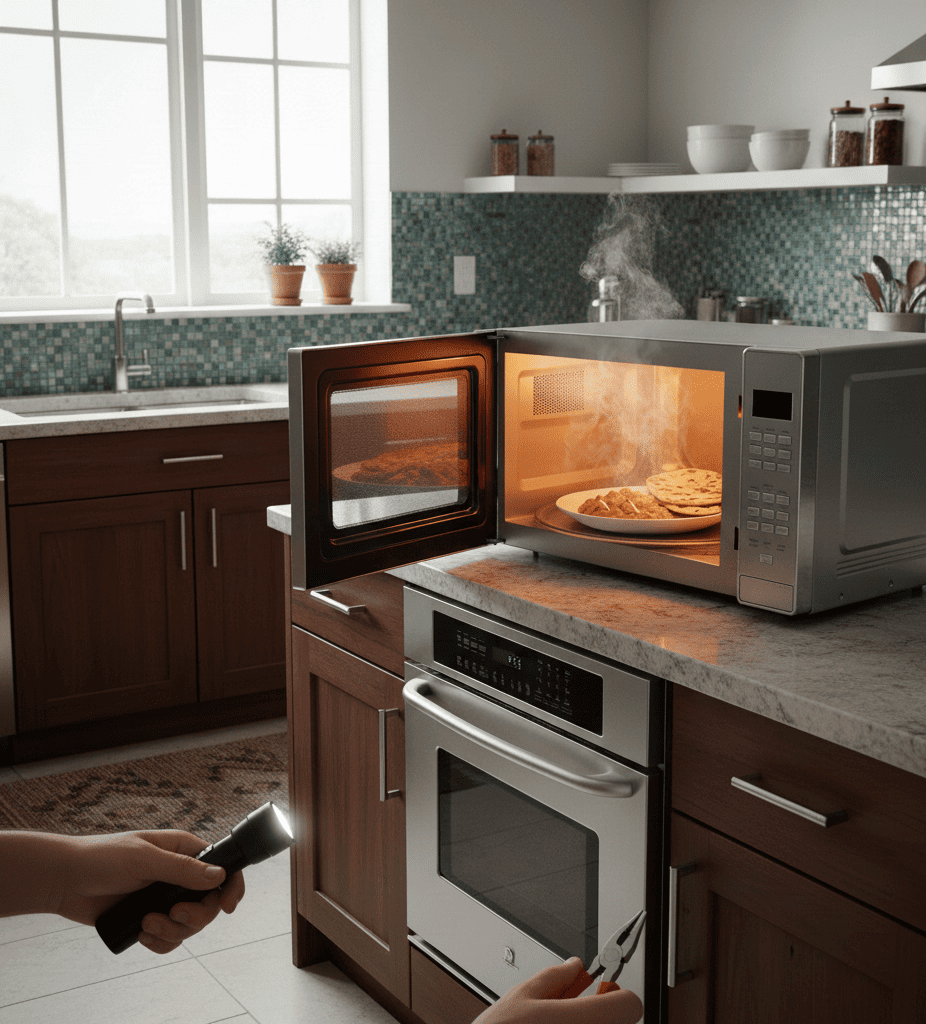
If you notice the following signs, professional inspection is recommended:
- Food remains cold even after extended heating
- Heating results are inconsistent every time
- Unusual humming or buzzing sounds
- Turntable rotates but heating is still uneven
- Microwave takes much longer than before
In such cases, components like the magnetron, waveguide cover, or internal fan may need servicing.
Why This Issue Is Common in Older Microwaves
Many households in Hyderabad still use microwaves that are 7 to 10 years old. Over time, internal components naturally degrade.
Additionally, frequent power cuts, moisture exposure, and heavy usage accelerate wear and tear. Uneven heating is often the first sign that the microwave needs attention.
Should You Repair or Replace the Microwave?
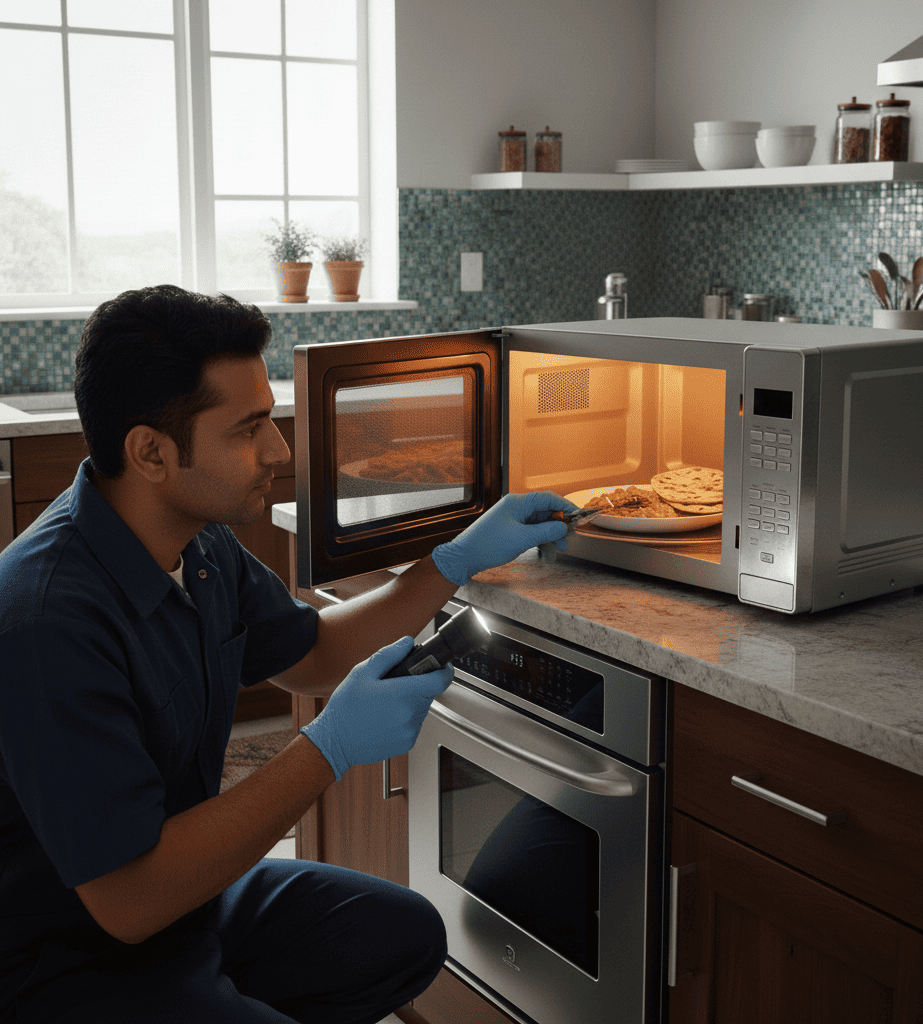
If the microwave is relatively new and the issue is minor, repair is usually cost-effective. Problems like turntable motor failure, waveguide cover damage, or internal cleaning can be fixed easily.
If the magnetron is failing in a very old unit, replacement may not be economical. A technician can guide you honestly based on the condition of the appliance.
Final Thoughts
Uneven heating in a microwave is a common problem in Hyderabad homes, but it is rarely random. Most of the time, it is caused by usage habits, container choice, power supply issues, or aging components.
Understanding the root cause helps you avoid unnecessary worry and expense. With proper care, cleaning, and timely servicing, a microwave can continue to work efficiently for years.
If uneven heating persists despite trying basic fixes, do not ignore it. Early inspection can prevent complete failure and ensure your food is heated safely every time.
Need Help with Uneven Microwave Heating in Hyderabad?
If your microwave is heating food unevenly even after trying basic fixes, it could be a sign of an internal issue that needs professional attention. Problems like a weak magnetron, faulty turntable motor, or power-related damage can get worse if ignored.
At Repair Expert India, we provide reliable microwave inspection and repair services across Hyderabad. Our trained technicians check the exact cause of uneven heating and suggest the right solution, whether it is a small adjustment or a required part repair.
We understand how important a microwave is in daily kitchen routines, especially for quick meals and reheating. That is why our focus is on safe, honest, and timely service at your doorstep.
Facing uneven microwave heating in Hyderabad?
Get your microwave checked before the problem turns serious.
Call or WhatsApp Repair Expert India today to book a microwave inspection in Hyderabad.
Fast response • Transparent advice • Home service support