Top 5 Mistakes to Avoid in Washing Machine Usage
A washing machine is one of the most useful appliances in a modern home. It saves time, reduces physical effort, and helps keep clothes clean and fresh with minimal work. But despite using it almost every day, many people unknowingly make mistakes that reduce the machine’s efficiency, damage clothes, and lead to costly repairs.
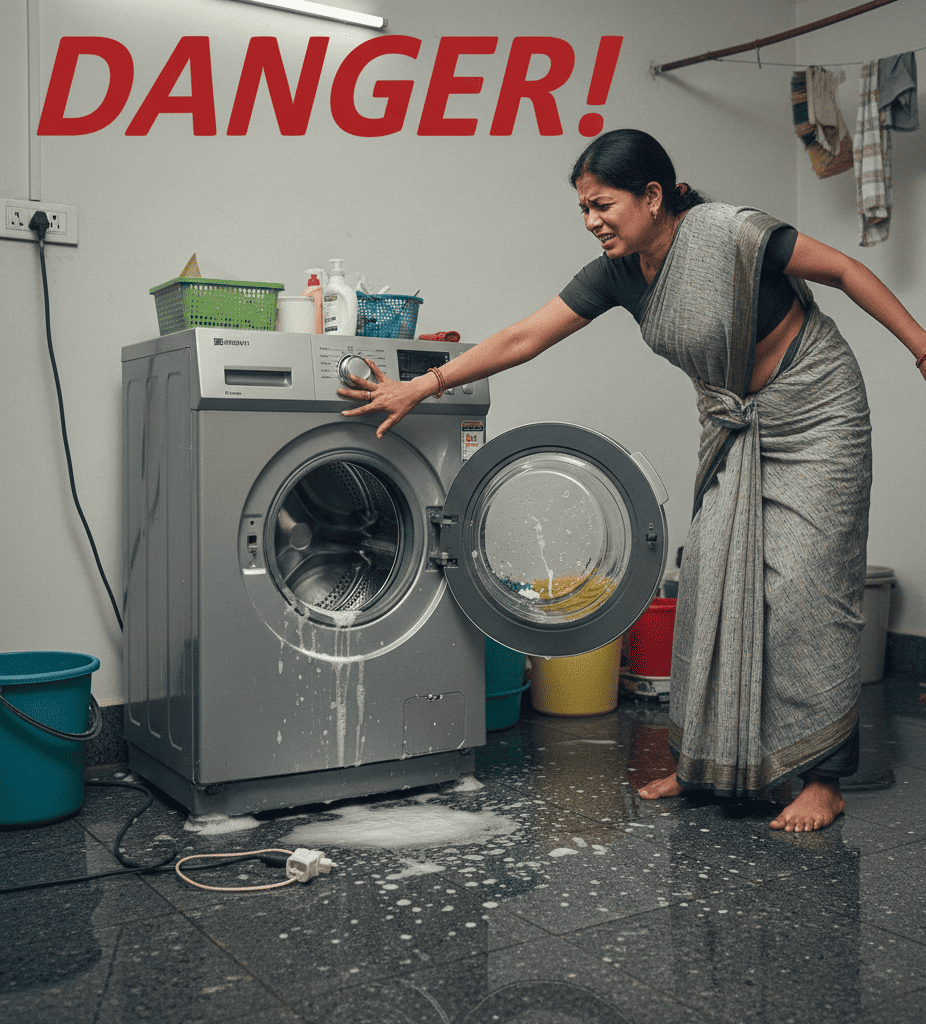
Most washing machine problems are not caused by manufacturing defects. They happen because of incorrect usage habits. These mistakes may look small, but over time they seriously affect the performance and lifespan of the machine.
In this blog, we will discuss the most common mistakes people make while using a washing machine and how avoiding them can help you save money, extend machine life, and get better washing results.
Overloading the Washing Machine
One of the biggest mistakes people make is overloading the washing machine. The logic usually sounds practical. More clothes in one wash means fewer wash cycles, saving time, water, and electricity. Unfortunately, this habit causes more harm than good.
When the drum is overloaded, clothes do not get enough space to move freely. Proper movement is essential for effective cleaning. As a result, clothes come out partially washed, with dirt and detergent residue still stuck to the fabric.
Overloading also puts extra stress on internal components such as the motor, belt, bearings, and suspension system. This stress increases wear and tear, leading to loud noise, vibration, and eventual mechanical failure. In many cases, frequent overloading is the main reason motors burn out or drums become misaligned.
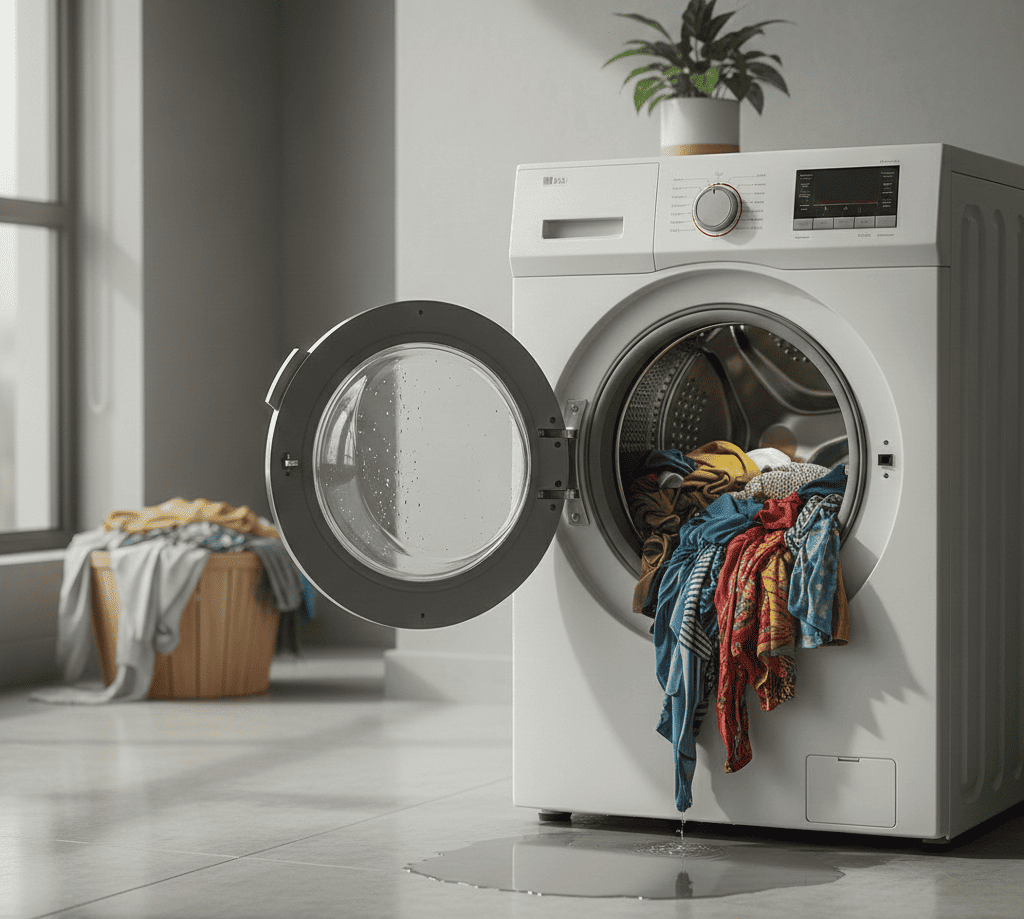
To avoid this problem, always follow the load capacity mentioned by the manufacturer. Leaving some empty space inside the drum allows clothes to tumble properly and ensures balanced operation. Washing smaller loads may seem inefficient, but it protects your machine and improves wash quality.
Using the Wrong Detergent or Too Much Detergent
Another common mistake is using the wrong type of detergent or using more detergent than necessary. Many people believe that extra detergent means cleaner clothes, but the reality is quite different.
Different washing machines require different detergents. Front load machines need low-foam detergents, while top load machines can handle regular detergents. Using a high-foam detergent in a front load machine creates excessive suds, which can interfere with sensors, clog the drain system, and damage rubber seals.
Using too much detergent causes similar problems. Excess detergent does not rinse out completely and leaves residue on clothes, making them feel stiff and irritating the skin. Over time, detergent buildup inside the drum and pipes leads to bad odors and bacterial growth.
The correct approach is to use a detergent designed for your machine type and follow the recommended quantity based on load size and water hardness. This not only protects the machine but also keeps clothes soft, fresh, and skin-friendly.
Ignoring Regular Cleaning and Maintenance
Many users assume that because a washing machine cleans clothes, it stays clean on its own. This is one of the most damaging misconceptions. In reality, washing machines accumulate dirt, lint, detergent residue, moisture, and bacteria inside hidden areas.
The drum, detergent drawer, rubber gasket, and filter are the most affected parts. If these areas are not cleaned regularly, mold and mildew develop, causing unpleasant smells. This odor then transfers to freshly washed clothes, making them smell dirty even after washing.
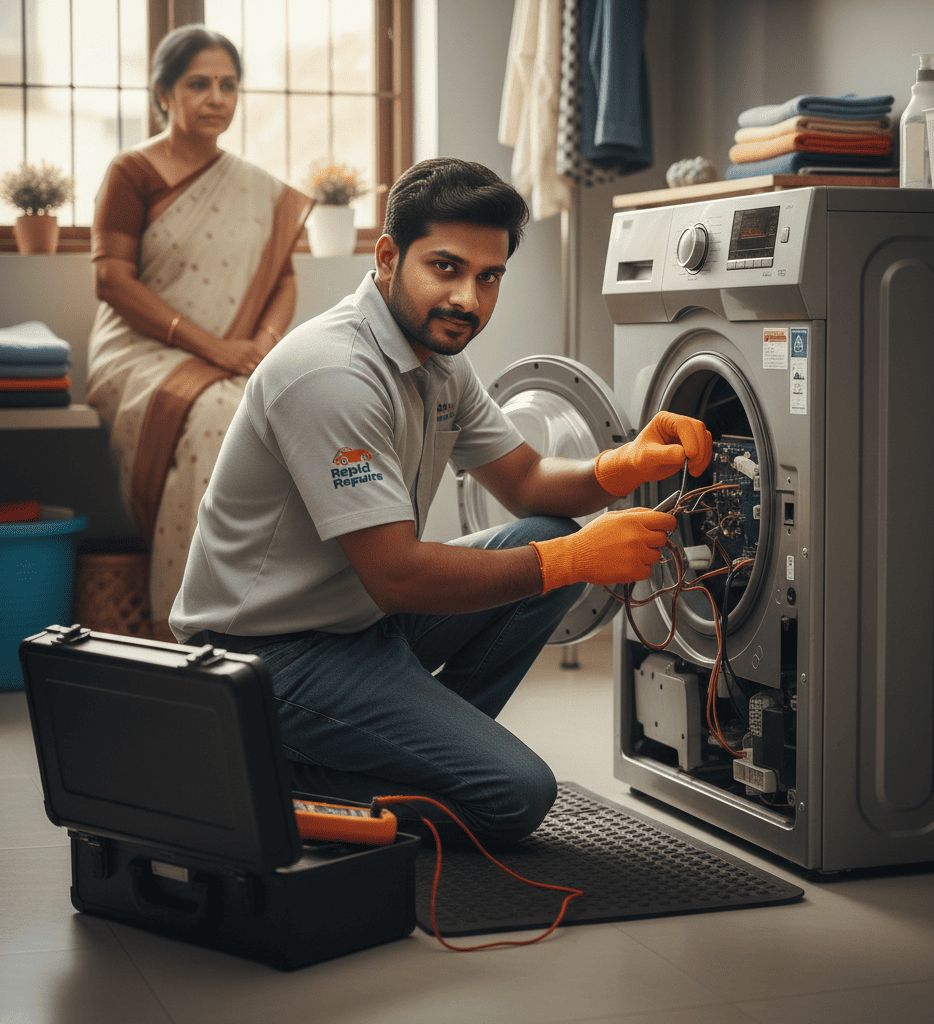
A dirty washing machine also affects performance. Blocked filters reduce water drainage, dirty drums cause stains on clothes, and mold buildup can damage rubber parts. Over time, these issues turn into expensive repair problems.
Regular maintenance is simple but essential. Cleaning the detergent tray, wiping the rubber gasket, running an empty hot wash with a machine cleaner or vinegar, and checking the filter can significantly improve machine hygiene and performance. A clean washing machine always delivers better results.
Leaving Wet Clothes Inside the Drum for Too Long
Another habit that causes both hygiene and machine problems is leaving wet clothes inside the washing machine after the cycle is complete. This usually happens due to busy schedules or simple forgetfulness.
When wet clothes sit inside a closed drum, moisture creates the perfect environment for bacteria and mold growth. Within a few hours, clothes start smelling musty, and this smell can spread to the drum and rubber gasket. Even after re-washing, the odor may not completely go away.
This habit also affects the washing machine itself. Continuous moisture damages rubber seals and promotes fungal growth inside the drum. Over time, this leads to persistent bad smells that are difficult to remove.
The best practice is to remove clothes immediately after the wash cycle ends. Leaving the door slightly open after unloading helps air circulate and allows the drum to dry completely. This simple habit greatly improves hygiene and extends the life of internal components.
Ignoring Installation and Leveling Issues
Many washing machine problems start on the day of installation. Improper leveling and poor placement are often overlooked, yet they cause long-term damage.
A washing machine must be placed on a flat, stable surface. If the machine is tilted or uneven, it vibrates excessively during the spin cycle. This vibration loosens internal parts, damages suspension rods, and creates loud noise. In extreme cases, the machine may move from its position during operation.
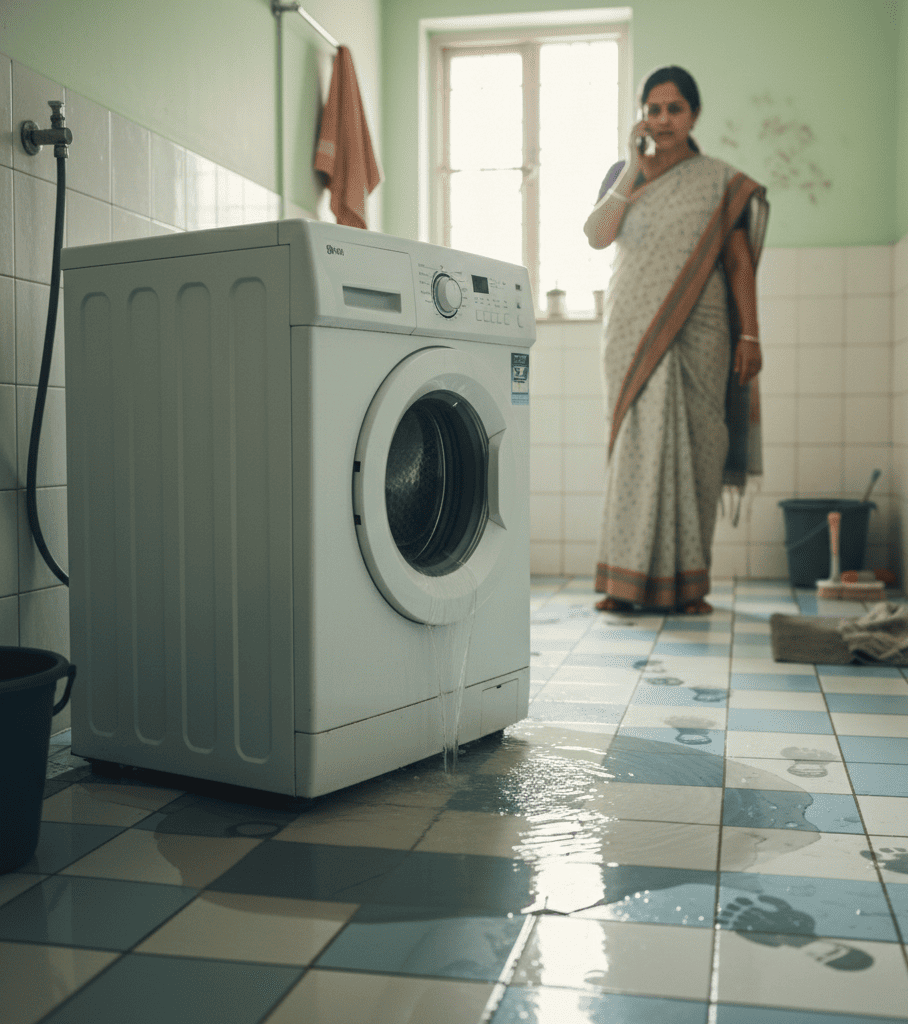
Incorrect water inlet connections and improper drainage setup can also create issues such as water leakage, low water pressure, or incomplete drainage. These problems reduce wash efficiency and can damage nearby flooring or walls.
Ensuring proper installation, leveling the machine correctly, and checking water connections are critical steps. Even if the machine works initially, poor installation will slowly shorten its lifespan. A well-installed washing machine runs smoother, quieter, and more efficiently.
Final Thoughts
Most washing machine issues are preventable. The problem is not the machine but the way it is used. Overloading, wrong detergent usage, poor cleaning habits, leaving wet clothes inside, and ignoring installation details slowly damage the appliance without immediate warning signs.
By changing a few daily habits, you can significantly improve washing performance and avoid unnecessary repair expenses. Treat your washing machine as a long-term investment, not just a utility. Proper care ensures cleaner clothes, better hygiene, and years of reliable service.
If you pay attention to these common mistakes and actively avoid them, your washing machine will reward you with consistent performance and fewer breakdowns.