How to Reduce Washing Machine Electricity Bill
A washing machine is one of the most useful appliances in modern homes, but it can quietly increase your electricity bill if not used the right way. Many people assume that high power consumption is unavoidable, especially with frequent washing. In reality, small changes in usage habits, settings, and maintenance can significantly reduce electricity consumption without affecting wash quality.
Understanding how your washing machine uses power is the first step. Most electricity is consumed during water heating, long wash cycles, and repeated usage. By optimizing these areas, you can save money every month while also extending the life of your machine.
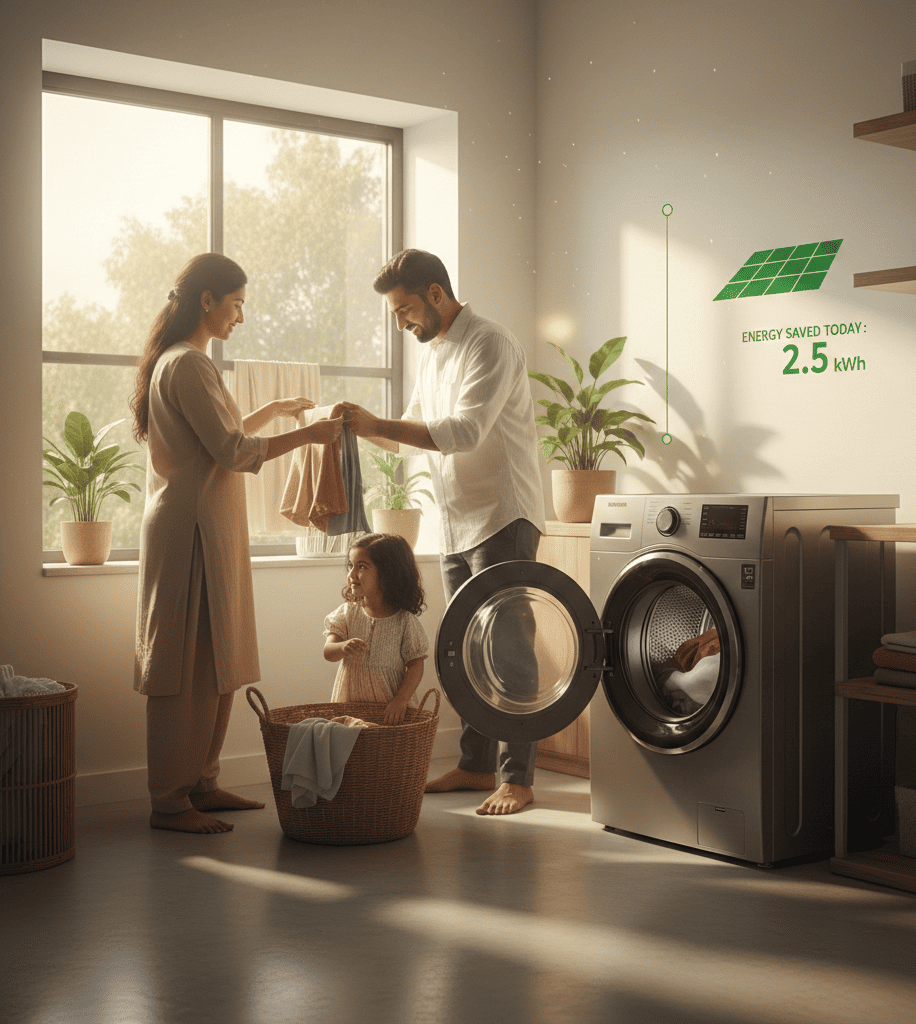
One of the simplest ways to reduce electricity usage is by washing clothes in cold water whenever possible. Heating water requires a large amount of power, and for regular clothes, cold water is usually sufficient. Modern detergents are designed to work well even at lower temperatures. Hot water should be reserved only for heavily soiled clothes, towels, or items that need deep cleaning.
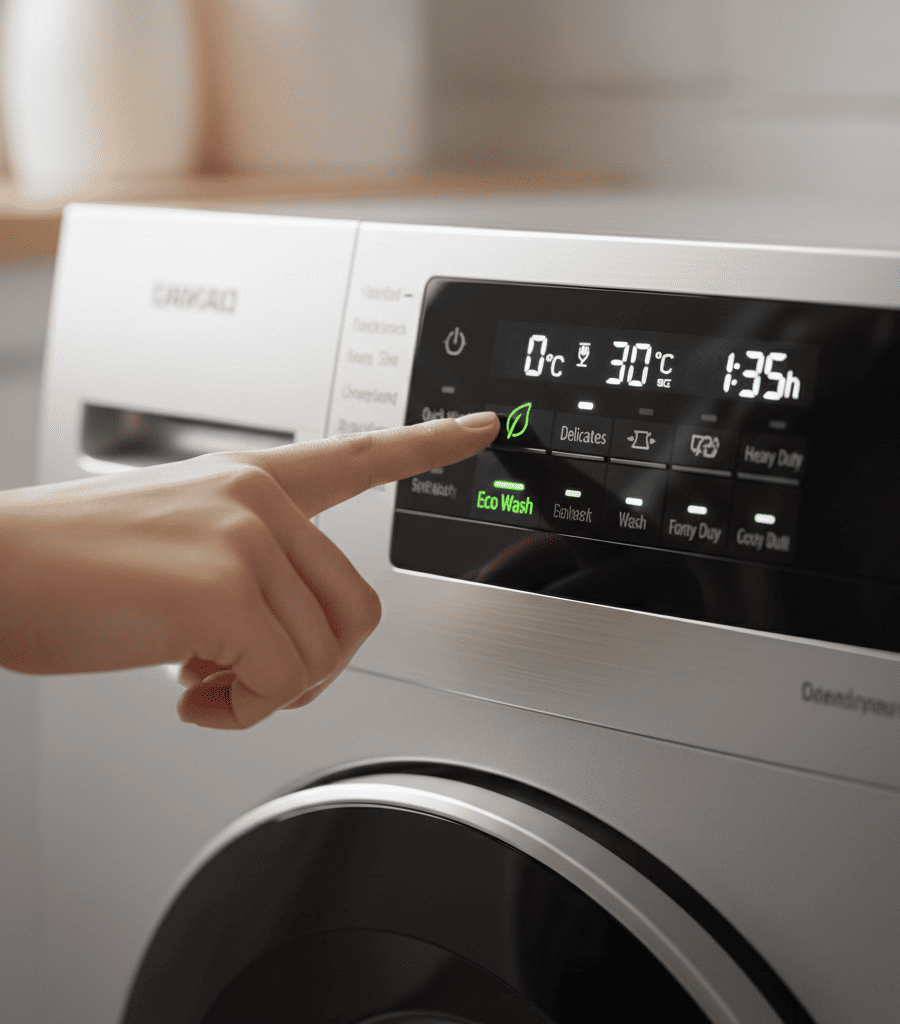
Choosing the right wash cycle also makes a big difference. Many people use long or heavy cycles by default, even when clothes are lightly dirty. This wastes electricity and puts extra strain on the machine. Short or eco-friendly cycles are designed to use less power and water while still delivering good cleaning results. These cycles may take slightly longer in some machines, but they consume less energy overall.
Overloading or underloading the washing machine can increase power consumption. When the drum is overloaded, the motor works harder, using more electricity and increasing wear. When the drum is underloaded, the machine still consumes nearly the same amount of power, making each wash inefficient. The best practice is to load the machine according to the recommended capacity, allowing clothes to move freely inside the drum.
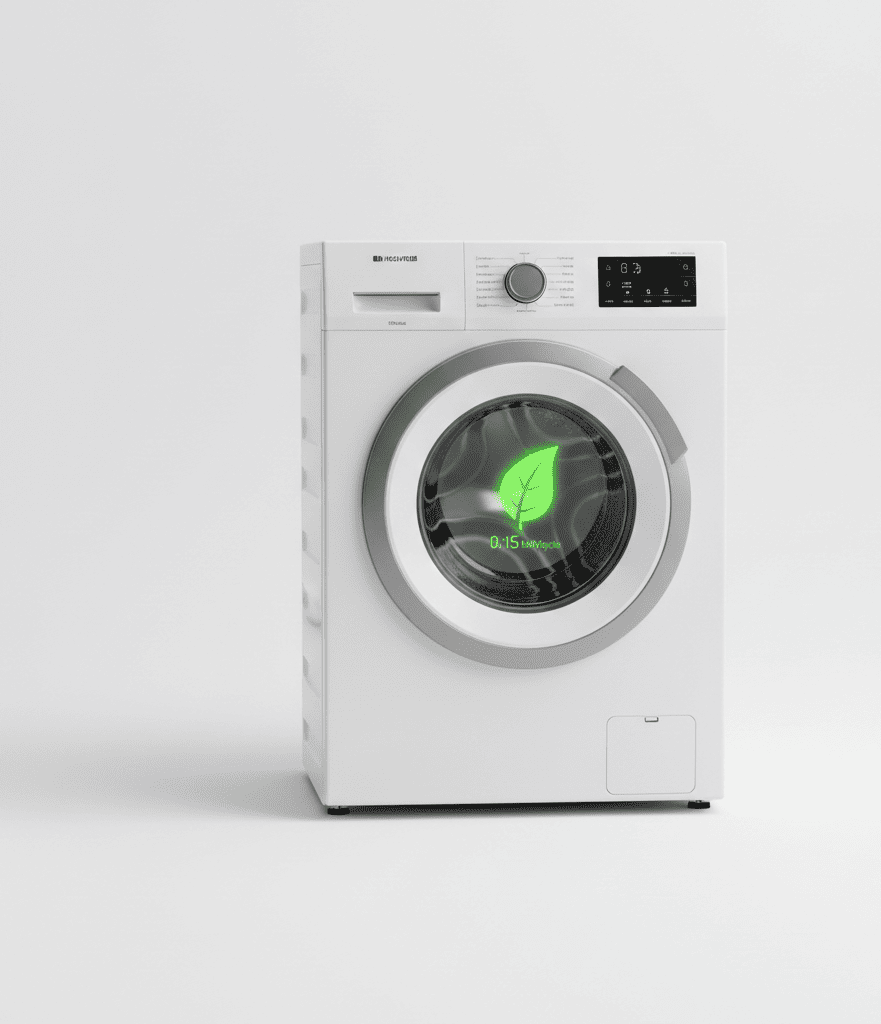
Using the washing machine during off-peak electricity hours can also help reduce costs, especially in areas where electricity tariffs vary by time. Early morning or late-night washes often cost less than peak daytime usage. While this does not reduce power consumption directly, it lowers the overall bill and spreads demand more efficiently.
Regular maintenance plays a major role in energy efficiency. A poorly maintained washing machine consumes more power to deliver the same results. Cleaning the lint filter, detergent drawer, and drum regularly ensures smooth operation. Hard water areas often cause scale buildup on the heating element, which forces it to use more electricity to heat water. Periodic descaling helps maintain efficiency and prevents long-term damage.
Detergent usage also affects electricity consumption indirectly. Using too much detergent creates excess foam, which makes the machine work harder during rinsing and spinning. This increases cycle time and power usage. Always use the recommended amount of detergent based on load size and water hardness. High-efficiency detergents are especially helpful for modern machines as they produce less foam and rinse more easily.
Drying clothes inside the washing machine, especially using high-speed spin or heated drying functions, increases electricity usage. If weather permits, air-drying clothes is the most energy-efficient option. Even reducing spin speed slightly can lower power consumption while still removing enough water for quick drying. Natural drying also helps preserve fabric quality.
Keeping the washing machine balanced and properly installed improves efficiency. An unbalanced machine vibrates more, causing the motor to work harder during spinning. This leads to higher electricity usage and can damage internal components over time. Ensure the machine is placed on a level surface and check for uneven loads if excessive vibration occurs.
Smart usage habits can make a noticeable difference over time. Instead of washing clothes after wearing them once, consider whether they truly need washing. Lightly worn clothes can often be reused, reducing the number of wash cycles per week. Fewer cycles mean less electricity consumption and longer appliance life.
If your washing machine is very old, upgrading to a newer energy-efficient model may reduce your electricity bill in the long run. Modern machines are designed to use less power and water while offering better wash performance. While the initial cost may seem high, the savings on electricity and maintenance often justify the investment over time.
Power outages, voltage fluctuations, and improper electrical connections can also affect electricity usage. Using a proper power socket, avoiding extension cords, and ensuring stable voltage supply help the machine run efficiently. Sudden power drops can interrupt cycles, forcing rewash and increasing electricity consumption.
Reducing your washing machine electricity bill does not require drastic changes or expensive upgrades. Simple habits like washing in cold water, using the right load size, maintaining the machine, and choosing efficient cycles can lead to consistent savings. These small steps not only lower your monthly bills but also protect your appliance and reduce environmental impact.
With mindful usage and regular care, your washing machine can remain efficient, reliable, and economical for years. Saving electricity is not about compromise, but about smarter choices that benefit both your home and your wallet.