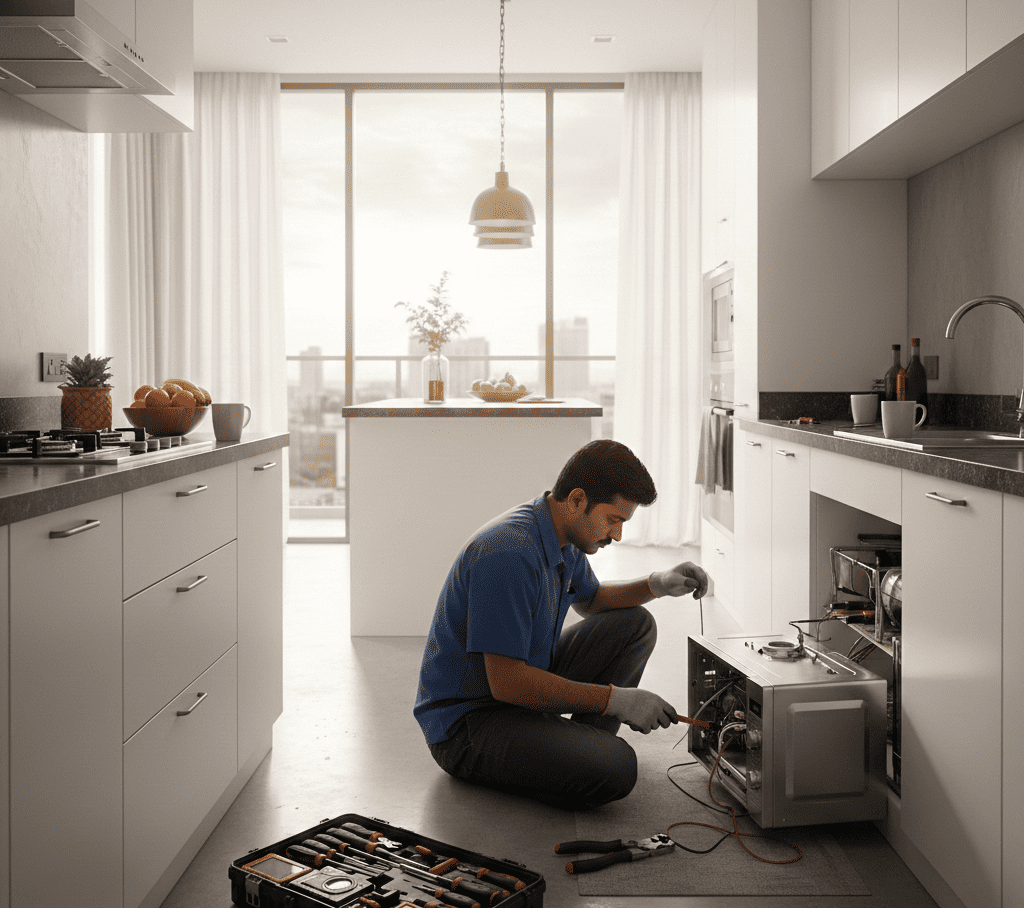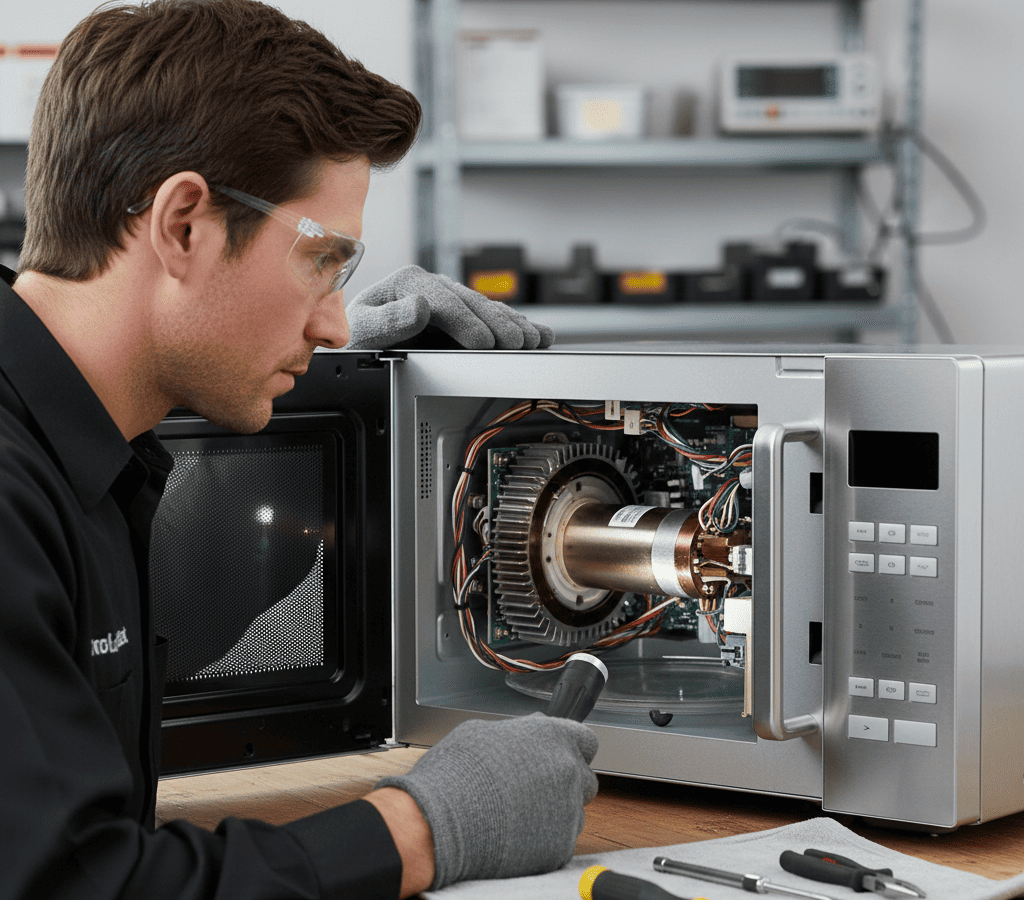
What to Do If Microwave Sparks Inside – Hyderabad Home Safety Guide
Seeing sparks inside your microwave can be alarming. Many people in Hyderabad rely on microwaves daily for reheating food, quick meals, and saving time. When sudden flashes of light or crackling sounds appear inside the oven, the first thought is often fear or confusion. Some people immediately assume the microwave is completely damaged, while others ignore the issue and keep using it.
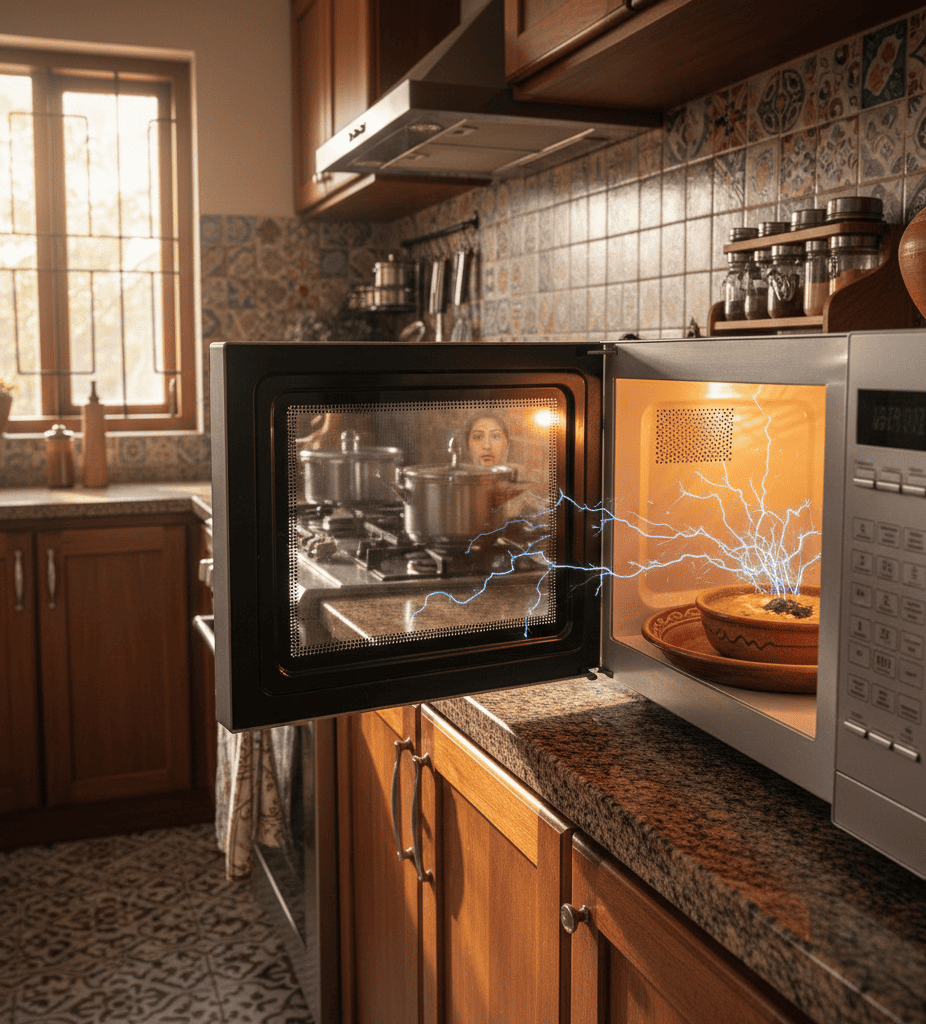
The truth lies somewhere in between. Microwave sparking is a serious warning sign, but it does not always mean the appliance is beyond repair. In many Hyderabad homes, this problem starts small and becomes dangerous only because it is ignored for too long.
This guide explains everything you need to know about microwave sparking inside, why it happens, what actions you should take, what mistakes to avoid, and when professional repair is necessary.
Understanding What Microwave Sparking Means
Microwave sparking, also called arcing, happens when electricity jumps between two points inside the oven. This creates visible sparks and sometimes a popping or buzzing sound. These sparks are not normal and should never be ignored.
A microwave works by reflecting energy safely inside a metal cavity. When something interrupts this controlled process, sparks appear. This interruption could be due to food residue, damaged internal parts, or improper usage.
In Hyderabad, factors like frequent reheating of oily foods, humid weather, and irregular cleaning habits often increase the chances of sparking.
Why Microwaves Spark Inside
One of the most common causes is the presence of metal inside the microwave. Even small metal elements can trigger sparks. Foil pieces, steel spoons, metal-edged plates, or even gold or silver decoration on crockery can cause arcing. Many people are unaware that decorative plates commonly used in Indian households are not microwave safe.
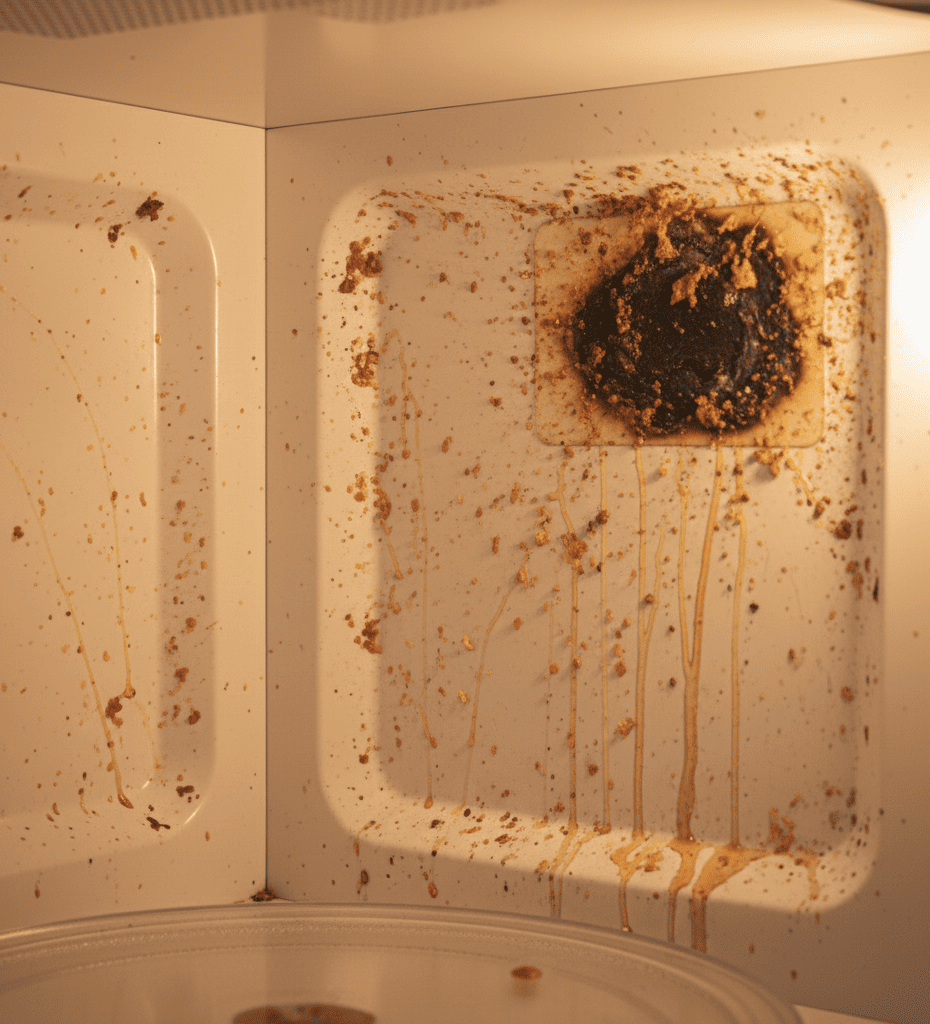
Another frequent reason is food splatter buildup. Over time, oil, gravy, and food particles stick to the interior walls. When these residues dry out, they can burn and create sparks. This is especially common when reheating curries, biryani, or oily snacks without a cover.
A damaged waveguide cover is another major cause. The waveguide cover is a small panel, usually on the side wall inside the microwave. Its job is to protect internal electronic parts from moisture and food particles. If this cover becomes burnt, cracked, or greasy, sparking can occur behind or around it.
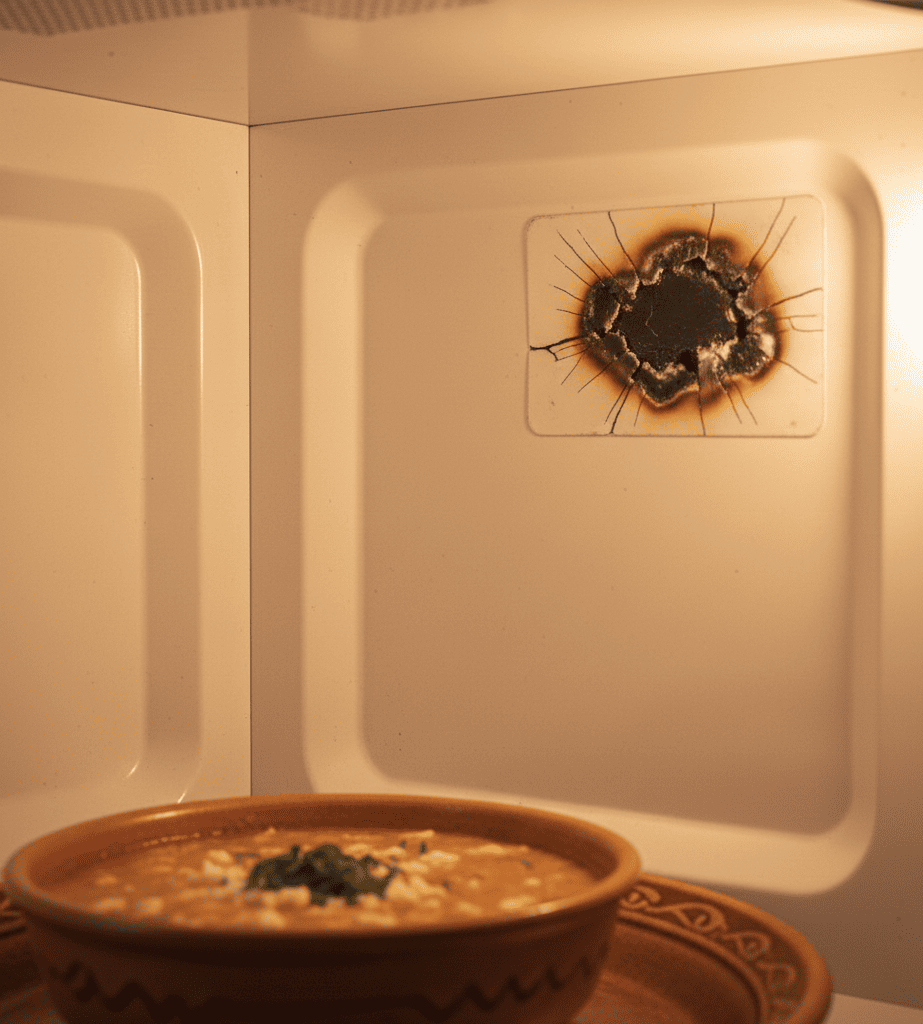
Worn-out interior paint can also lead to sparking. The inner cavity of the microwave is coated with special paint. When this paint peels or chips due to age or rough cleaning, the exposed metal underneath can create sparks.
In some cases, faulty internal components like the magnetron or diode may be responsible. These issues are more technical and usually appear in older microwaves or units that have been used heavily for many years.
What You Should Do Immediately After Seeing Sparks
The moment you notice sparks, stop the microwave and unplug it from the power socket. Continuing to use it can worsen the damage and increase the risk of fire.
Allow the microwave to cool down before opening it fully and inspecting the interior. Heat buildup can make components unsafe to touch immediately.
Once it has cooled, carefully check inside for any obvious issues. Look for metal objects, burnt food residue, black marks, or damage to the waveguide cover. Do not attempt to remove any internal panels or open the microwave body.
If the cause is clearly visible and simple, such as a forgotten spoon or foil, remove it and clean the interior thoroughly. If you notice burn marks, damaged parts, or repeated sparking without any metal inside, stop using the microwave and plan for repair.
Cleaning the Microwave Safely
Cleaning plays a big role in preventing sparking. In Hyderabad kitchens, where spices and oils are commonly used, microwave interiors get dirty faster than expected.
Use a soft cloth and mild cleaning solution. Avoid harsh scrubbers or metal sponges, as they can damage the inner coating. Focus on removing grease from the side walls, ceiling, and around the waveguide cover.
If the waveguide cover looks dirty but not damaged, gently wipe it without applying pressure. If it looks burnt, cracked, or brittle, it should be replaced by a technician.
Never use water excessively inside the microwave. Moisture entering sensitive areas can cause electrical issues.
Common Mistakes People Make
One major mistake is restarting the microwave to “check if it sparks again.” This can cause further damage and increase repair costs.
Another mistake is using paint or tape to cover burnt spots inside the microwave. Regular paint is not heat-safe and can release harmful fumes. Microwave cavity repairs require special materials and professional handling.
Many people also ignore minor sparking, assuming it is normal. Even small sparks indicate a problem that will grow worse over time.
Trying to open the microwave body at home is extremely dangerous. Microwaves store high voltage electricity even when unplugged. DIY repairs without proper training can cause serious injury.
Is It Safe to Use the Microwave After Sparking Stops?
If sparking was caused by a clear and temporary issue, like metal inside or heavy food splatter, and the problem does not repeat after cleaning, the microwave may be safe to use.
However, if sparking happens again, even occasionally, the microwave should not be used. Repeated sparking means internal damage is present.
In Hyderabad, many households continue using sparking microwaves until complete failure occurs. This often leads to higher repair costs or the need for full replacement.
When Professional Microwave Repair Is Necessary
Professional repair becomes necessary when sparking continues without any visible external cause. Burnt waveguide covers, damaged cavity paint, faulty magnetrons, or internal wiring issues should only be handled by trained technicians.
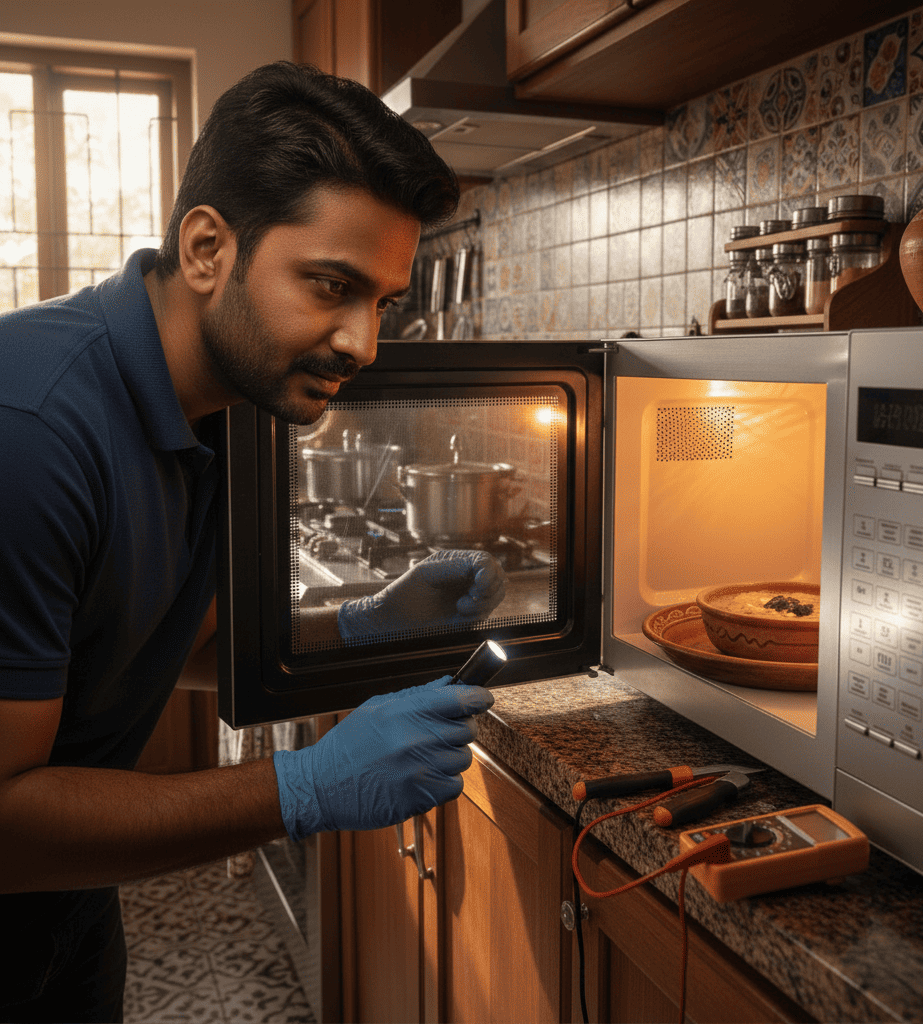
If you smell burning, hear loud buzzing sounds, or see sparks near the side walls repeatedly, stop using the microwave immediately.
For homes in Hyderabad, it is advisable to contact a local microwave repair expert who understands common usage patterns and electrical conditions in the area.
Preventing Microwave Sparking in the Future
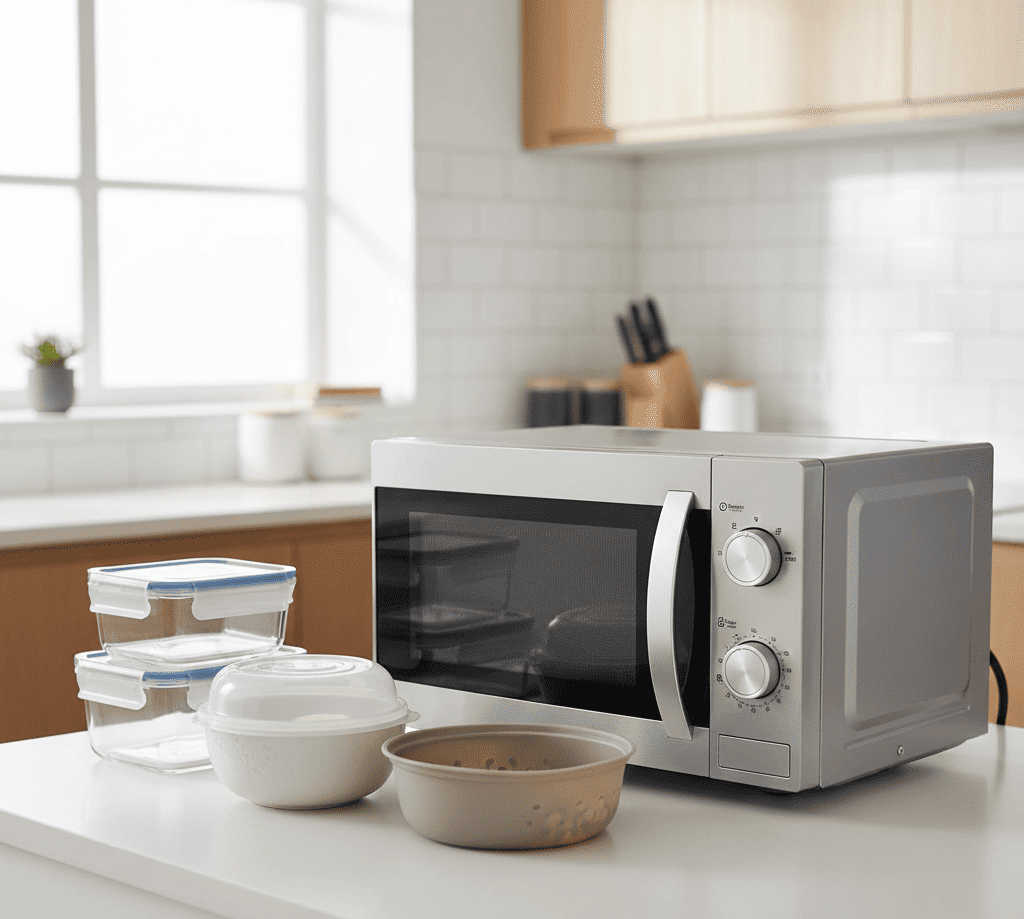
Prevention starts with using only microwave-safe utensils. Always check labels before placing any container inside.
Cover food while reheating to prevent splatter. This keeps the interior clean and protects sensitive parts.
Clean the microwave regularly, especially after heating oily or spicy food.
Avoid running the microwave empty, as this can damage internal components.
Handle the door gently. Slamming the door repeatedly can affect internal alignment and cause electrical issues over time.
Final Thoughts
Microwave sparking inside is not something to ignore, but it is also not something to panic about. In many Hyderabad homes, this issue starts small and becomes serious only because proper action is not taken at the right time.
If the cause is simple, careful cleaning and correct usage may solve the problem. If the sparking persists, professional inspection is the safest option.
A microwave is meant to make life easier, not riskier. Paying attention to early warning signs can save you money, time, and ensure your home stays safe.
🔴 Facing Microwave Sparking Issues in Hyderabad?
If you see sparks inside your microwave, do not ignore it. Continued use can damage internal parts and increase safety risks. Whether the issue is a burnt waveguide cover, food residue buildup, or an internal electrical fault, timely inspection can prevent costly repairs.
Our experienced technicians provide safe and reliable microwave repair services across Hyderabad. From inspection to proper repair, we focus on fixing the root cause so your microwave works safely again.
Call now to book a microwave inspection
Get expert advice before the problem gets worse
Fast doorstep service available
Don’t wait for a small spark to turn into a major problem. Get your microwave checked today and keep your home safe.