Front Load vs Top Load Washing Machine – Which Is Better for Your Home?
Buying a washing machine sounds simple until you actually start comparing options. Front load or top load? Everyone has an opinion. Shopkeepers push one side, friends swear by another, and online reviews only add to the confusion. The truth is, neither is universally better. The right choice depends on how you live, how much laundry you do, your budget, and even your bathroom layout.
This guide breaks it down clearly and honestly so you can decide without second-guessing yourself later.
Understanding the basic difference
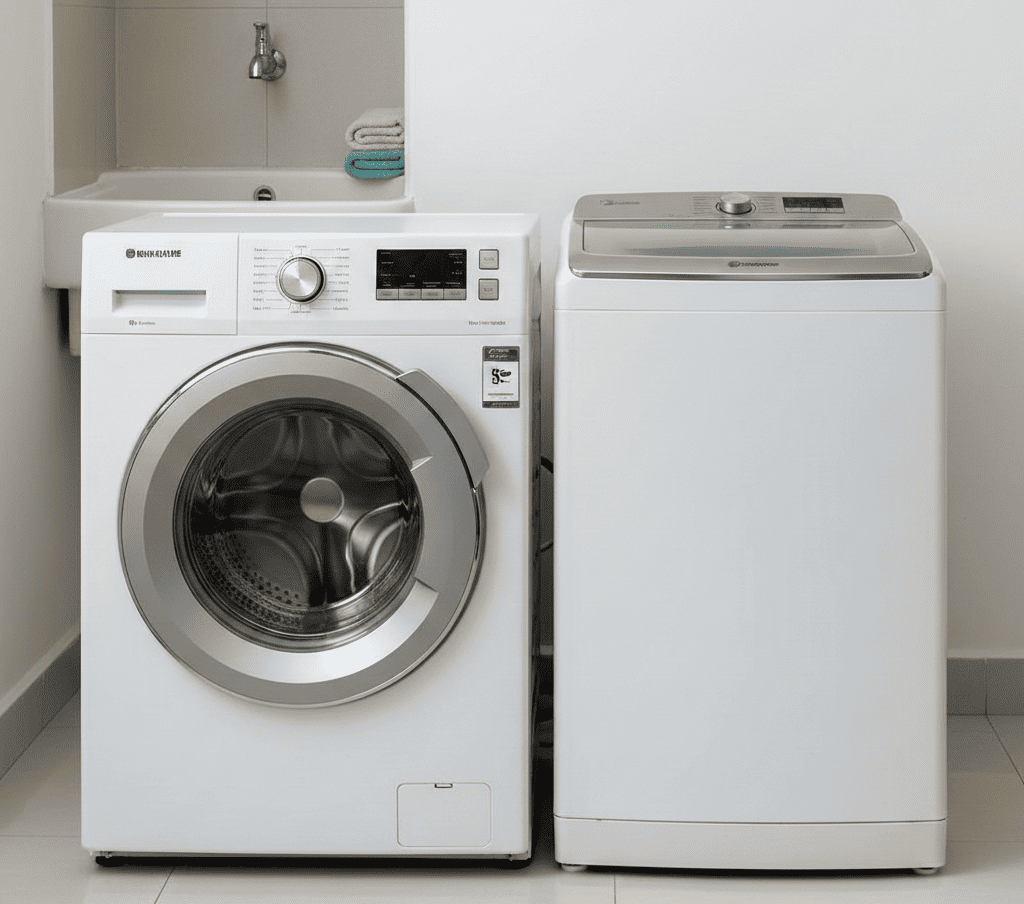
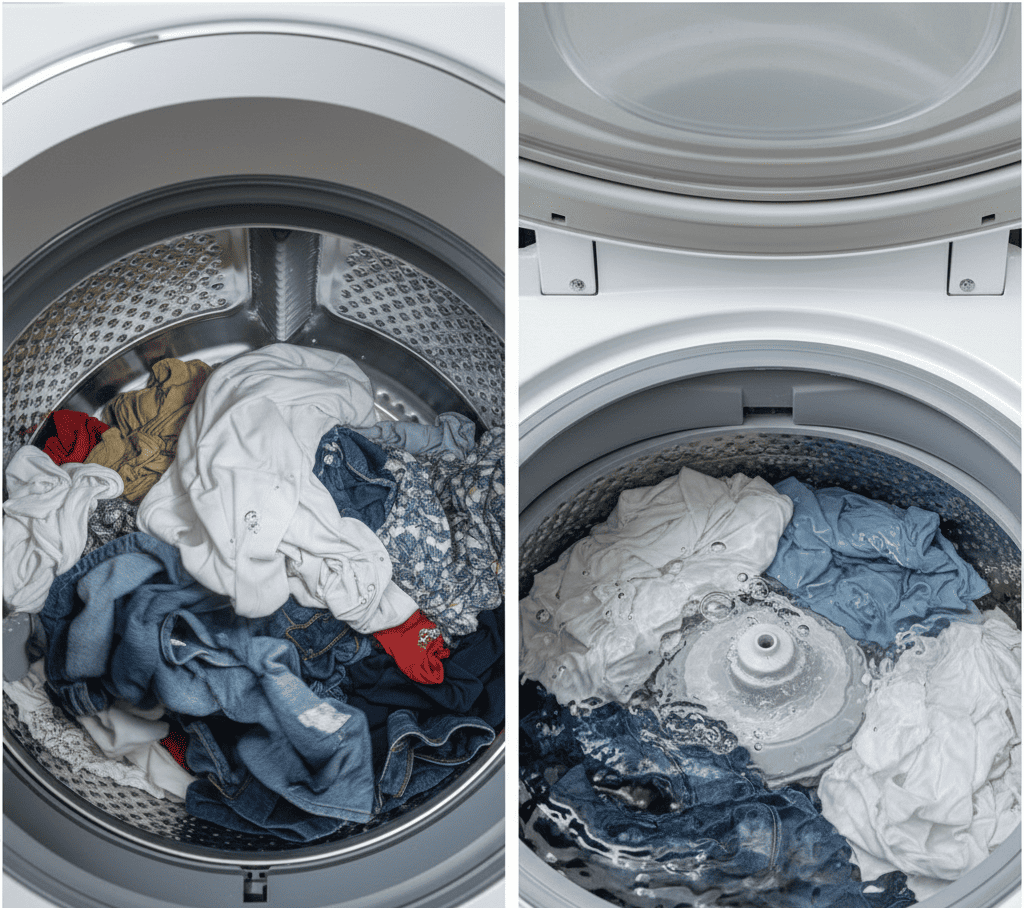
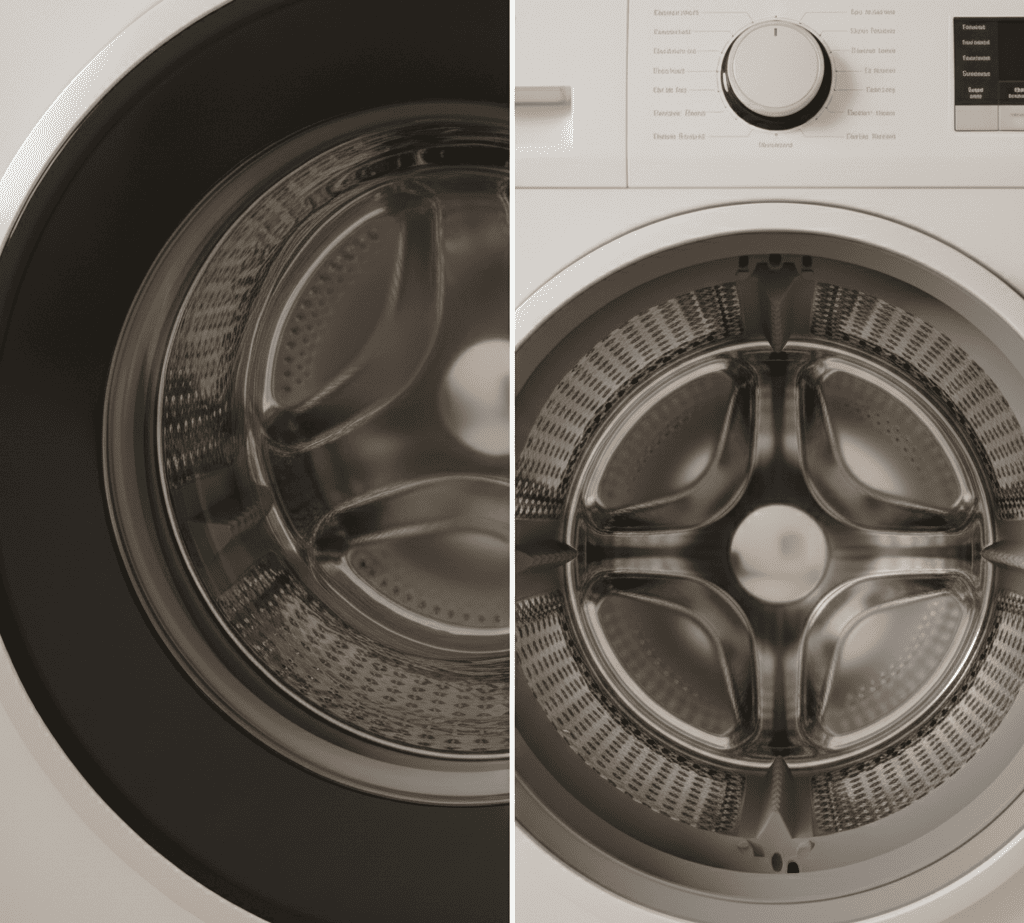
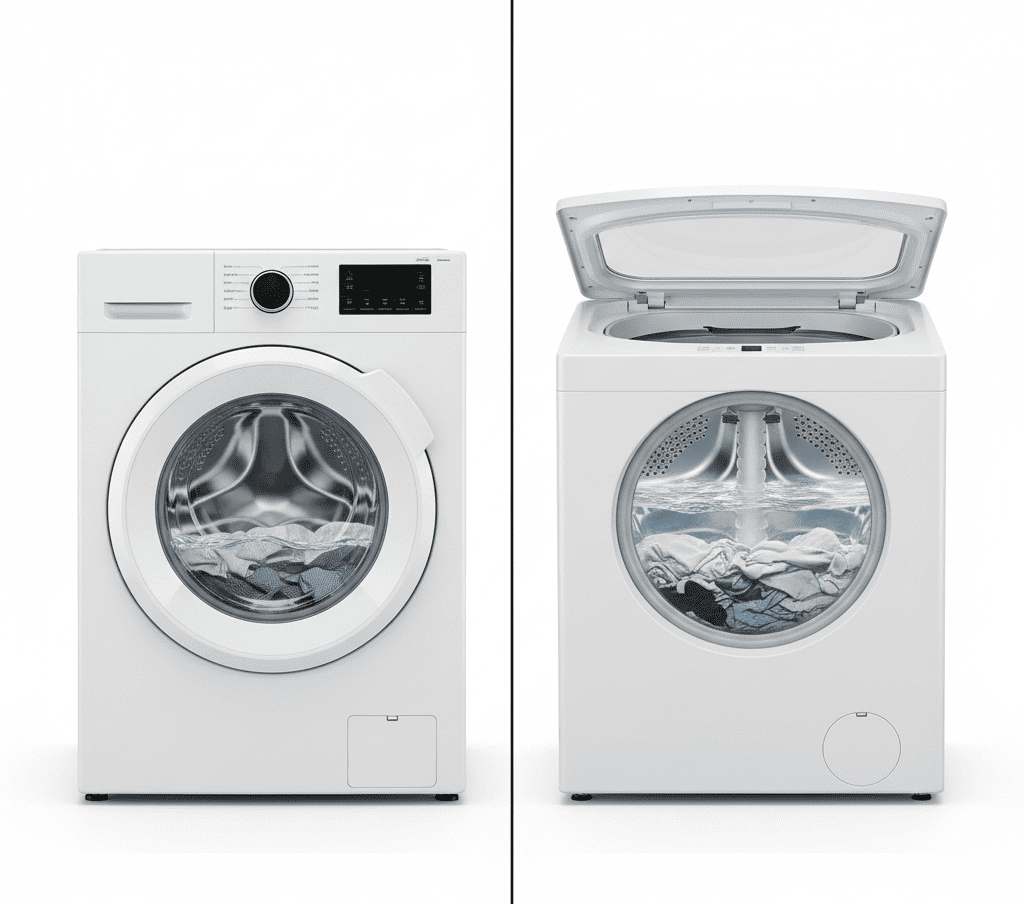
A front load washing machine has a horizontal drum and a door on the front. Clothes tumble inside the drum using gravity, which helps with cleaning.
A top load washing machine has a vertical drum and a lid on top. Clothes move around with the help of an agitator or an impeller, depending on the model.
That single design difference changes how they wash, how much water they use, how gentle they are on clothes, and how much effort they need from you.
Cleaning performance in real life
Front load machines are known for deeper and more consistent cleaning. Because clothes tumble from top to bottom, detergent spreads evenly and dirt is removed more effectively. This matters if you regularly wash heavily soiled clothes like office wear, kids’ uniforms, bedsheets, or towels.
Top load machines clean well for everyday use, especially newer models with improved wash programs. For lightly to moderately dirty clothes, most people will not notice a big difference. However, stubborn stains often need pre-treatment in top load machines.
If cleaning quality is your top priority, front load has a clear edge.
Water and electricity consumption
Front load machines use significantly less water. They rely on tumbling rather than soaking, which reduces water usage per cycle. Less water also means less electricity needed to heat it.
Top load machines generally use more water because clothes are fully submerged. Even high-efficiency top load models usually consume more water than front load machines.
Over time, front load machines save more on monthly utility bills. If you run your washing machine frequently, this difference becomes noticeable within a year or two.
Fabric care and cloth life
Front load washing machines are gentler on clothes. The absence of a central agitator and the tumbling action reduce stress on fabric fibers. This helps clothes last longer, especially delicate items like sarees, dresses, and branded garments.
Top load machines with agitators can be slightly rougher, especially on delicate fabrics. Impeller-based top load machines are better in this regard, but still not as gentle as front load.
If you care about maintaining fabric quality and color for a long time, front load is the safer choice.
Convenience and ease of use
Top load machines are easier to use on a daily basis. You can load and unload clothes without bending. You can also add forgotten clothes mid-cycle in most models, which is a big plus in real life.
Front load machines require bending, which can be uncomfortable for elderly users or people with back issues. Adding clothes mid-wash is limited or not allowed in many models once the cycle starts.
For pure convenience and comfort, especially in Indian households, top load machines feel more practical.
Space and installation considerations
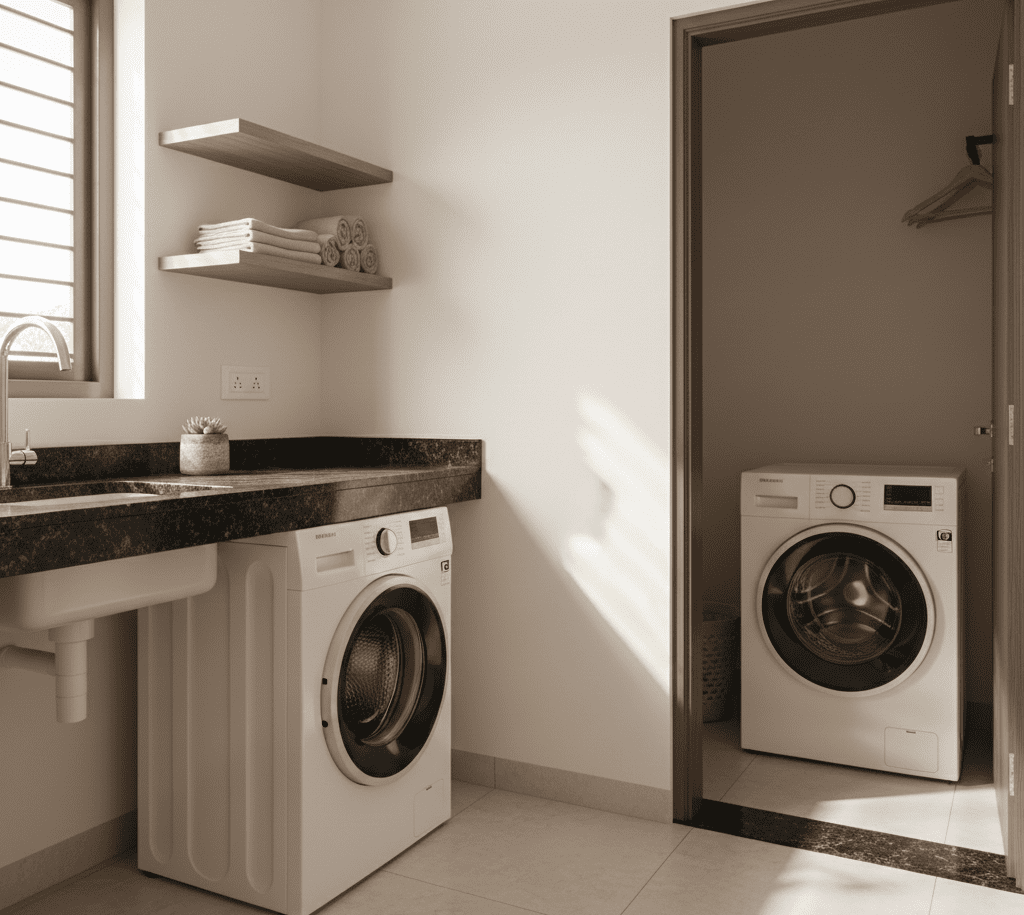
Front load washing machines need more planning. The door opens outward, so you need clear space in front. They are heavier and usually need stable flooring.
Top load machines are easier to place in tight spaces since the lid opens upward. They work well in small utility areas and bathrooms.
If your laundry space is compact or awkwardly shaped, a top load machine usually fits better.
Wash time and flexibility
Front load machines usually take longer to complete a wash cycle. This is because they focus on thorough cleaning and efficiency rather than speed.
Top load machines are faster. Many quick wash programs finish in much less time, which is useful when you need clean clothes urgently.
If speed matters more than maximum efficiency, top load machines are less frustrating day to day.
Noise and vibration
Front load machines tend to vibrate more if not installed perfectly level, especially during the spin cycle. However, premium models are very quiet.
Top load machines generally make less vibration and are more forgiving on uneven floors.
In apartments where noise is a concern, both can work well, but installation quality matters more for front load machines.
Maintenance and long-term reliability
Front load machines require more care. The rubber gasket around the door can trap moisture, leading to odor or mold if not cleaned regularly. Leaving the door open after washes becomes a habit you must maintain.
Top load machines are easier to maintain. They dry faster and are less prone to odor issues.
In terms of repairs, front load machines are usually more expensive to fix. Parts and labor cost more compared to top load machines.
If low maintenance is important to you, top load machines are easier to live with.
Price and value for money
Front load washing machines cost more upfront. Even basic models are usually priced higher than top load machines of similar capacity.
Top load machines are more budget-friendly and offer good performance for the price.
However, front load machines often recover their higher cost over time through lower water and electricity bills, especially for heavy users.
Your choice depends on whether you prefer lower upfront cost or long-term savings.
Which one is better for Indian households?
There is no one-size-fits-all answer.
Front load washing machines are better if you:
- Want superior cleaning and fabric care
- Wash large loads frequently
- Want lower water and electricity usage
- Are okay with higher upfront cost and maintenance
Top load washing machines are better if you:
- Want ease of use and faster wash cycles
- Prefer lower purchase and repair cost
- Have limited space
- Need the flexibility to add clothes mid-wash
For many Indian families, a good quality top load machine offers the best balance of convenience and value. For users who treat laundry like a long-term investment and care deeply about efficiency and fabric life, front load machines make more sense.
Final thought
Choosing between front load and top load is not about which is “best” on paper. It is about which one fits your daily routine without causing frustration. Think about who will use the machine, how often it will run, and how much effort you want to put into maintenance.
If you choose based on your real needs rather than marketing claims, you will be satisfied with your decision for years.