How to Clean Washing Machine Drum Naturally – Simple, Safe, and Effective Methods
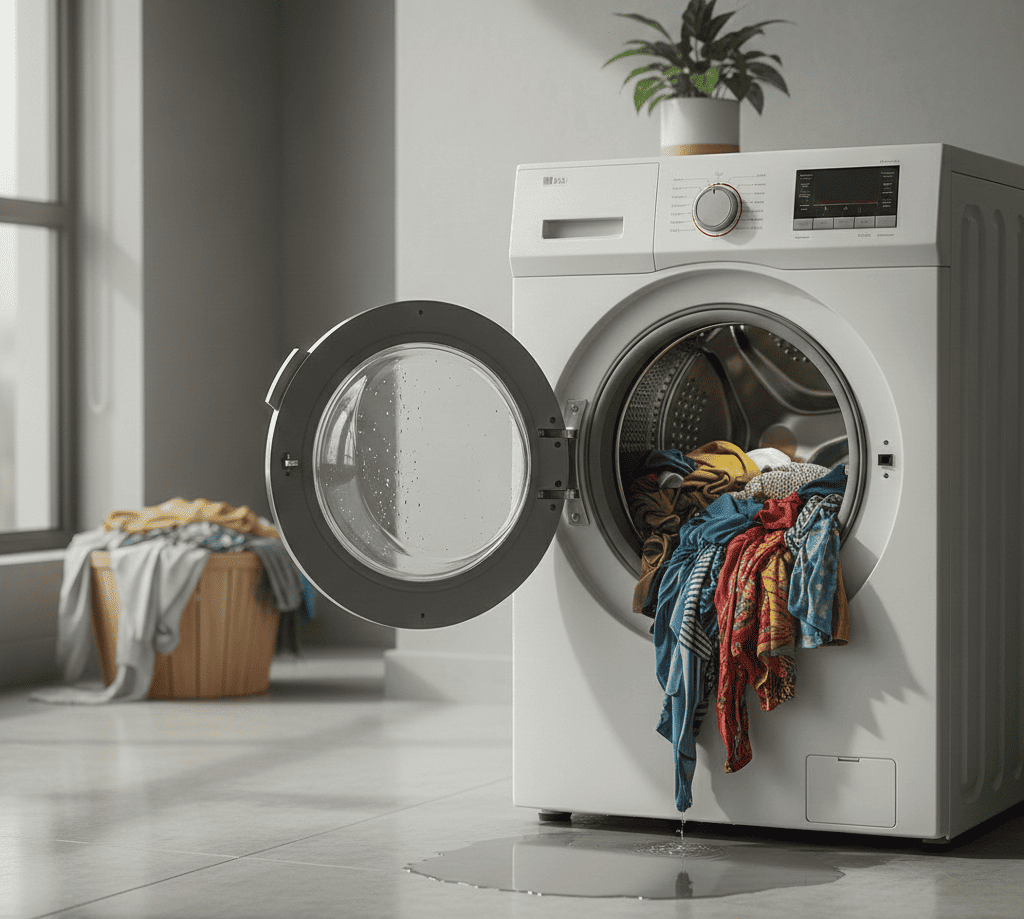
A washing machine is meant to clean your clothes, but when the drum itself is dirty, it does the opposite. Over time, detergent residue, hard water minerals, fabric lint, and moisture build up inside the drum. This leads to bad smell, dull-looking clothes, and even skin irritation. Many people think they need strong chemicals to fix this, but the truth is you can clean your washing machine drum naturally using simple ingredients already available at home.
This blog explains why drum cleaning is important, how often you should do it, and step-by-step natural methods that are safe for your machine and your family.
Why Washing Machine Drum Gets Dirty
Every wash cycle leaves behind small traces of detergent, dirt, and fabric fibers. In areas with hard water, mineral deposits settle inside the drum and pipes. Moisture trapped inside the machine creates the perfect environment for bacteria and mold to grow, especially in front-load machines.
If you notice a foul smell, black spots on the drum rubber, or clothes that do not feel fresh even after washing, these are clear signs that your washing machine drum needs cleaning.
How Often Should You Clean the Drum
For most households, cleaning the washing machine drum once a month is ideal. If you wash clothes daily, use liquid detergent, or live in a hard water area, you may need to clean it every two to three weeks. Regular cleaning prevents buildup and keeps your machine running efficiently.
Natural Ingredients You Can Use Safely
You do not need expensive cleaners. These natural ingredients are effective and gentle on your washing machine:
White vinegar helps dissolve limescale, remove soap residue, and kill odor-causing bacteria.
Baking soda neutralizes bad smell and loosens dirt stuck inside the drum.
Lemon juice works as a natural disinfectant and leaves a fresh smell.
Warm water activates these ingredients and improves cleaning power.
These items are safe for both top-load and front-load washing machines when used correctly.
Method One: Vinegar Deep Cleaning for Drum
This is one of the most effective and widely used natural methods.
Start with an empty washing machine. Make sure there are no clothes inside. Pour two cups of white vinegar directly into the drum. Do not add detergent. Set the machine to the longest wash cycle with hot or warm water.
Let the machine run the full cycle. Vinegar will break down mineral deposits, detergent buildup, and bacteria inside the drum. Once the cycle is complete, leave the door open for at least one hour to allow moisture to escape.
This method is excellent for removing bad odor and hard water stains.
Method Two: Baking Soda Cleaning for Odor Removal
If your washing machine smells bad but does not have heavy scale buildup, baking soda works very well.
Add half a cup of baking soda directly into the drum. Run a normal wash cycle with warm water. Baking soda absorbs odor and loosens grime stuck to the drum walls.
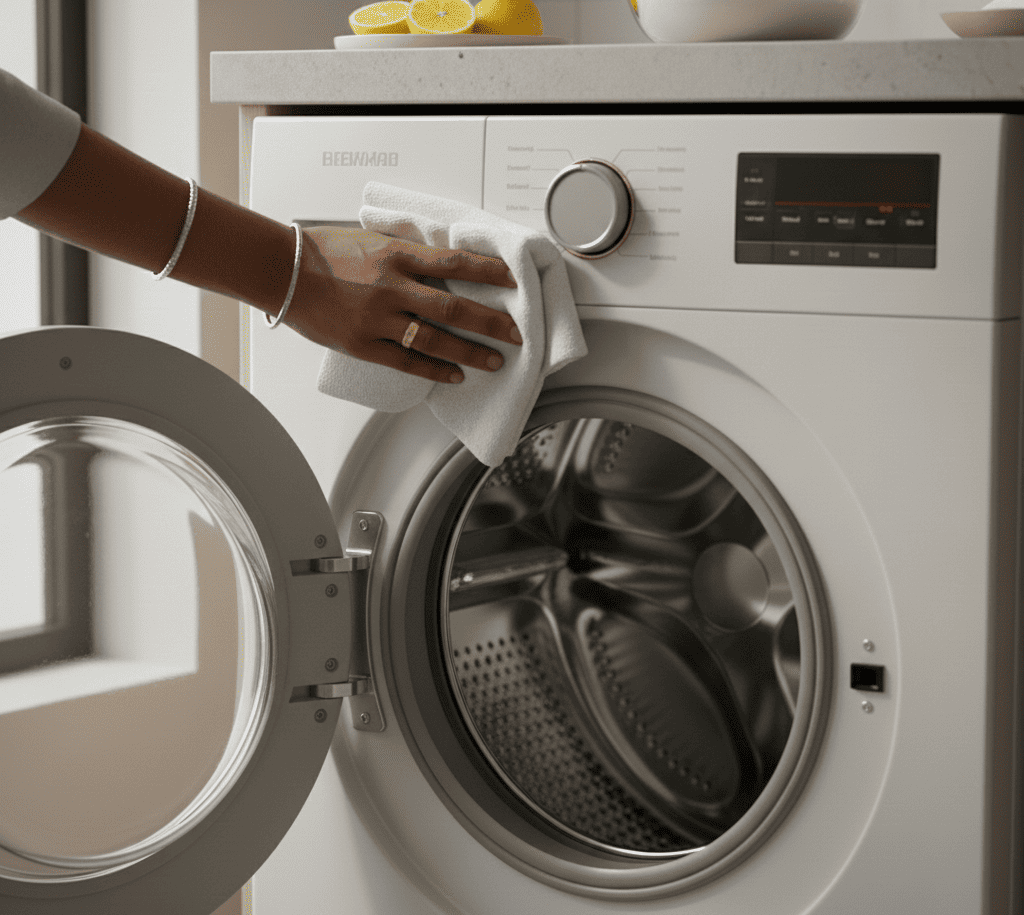
After the cycle, wipe the drum with a clean cloth and leave the door open to dry. This method is gentle and can be used more frequently.
Method Three: Vinegar and Baking Soda Combination
For machines that have not been cleaned in a long time, this combination works best.
First, pour two cups of white vinegar into the drum and run a hot wash cycle. After the cycle finishes, add half a cup of baking soda and run another short warm cycle.
This two-step process removes deep buildup and refreshes the drum completely. Avoid mixing vinegar and baking soda at the same time, as they cancel each other out when combined directly.
Method Four: Lemon Juice for Freshness
Lemon juice is a natural antibacterial agent and leaves a fresh fragrance.
Add one cup of fresh lemon juice into the drum and run a warm wash cycle. This method is best for light cleaning and maintaining freshness between deep cleans.
It is especially useful if you want to avoid vinegar smell.
Cleaning the Drum Rubber and Door Seal
The rubber gasket around the drum collects the most dirt, mold, and moisture. Cleaning only the drum is not enough.
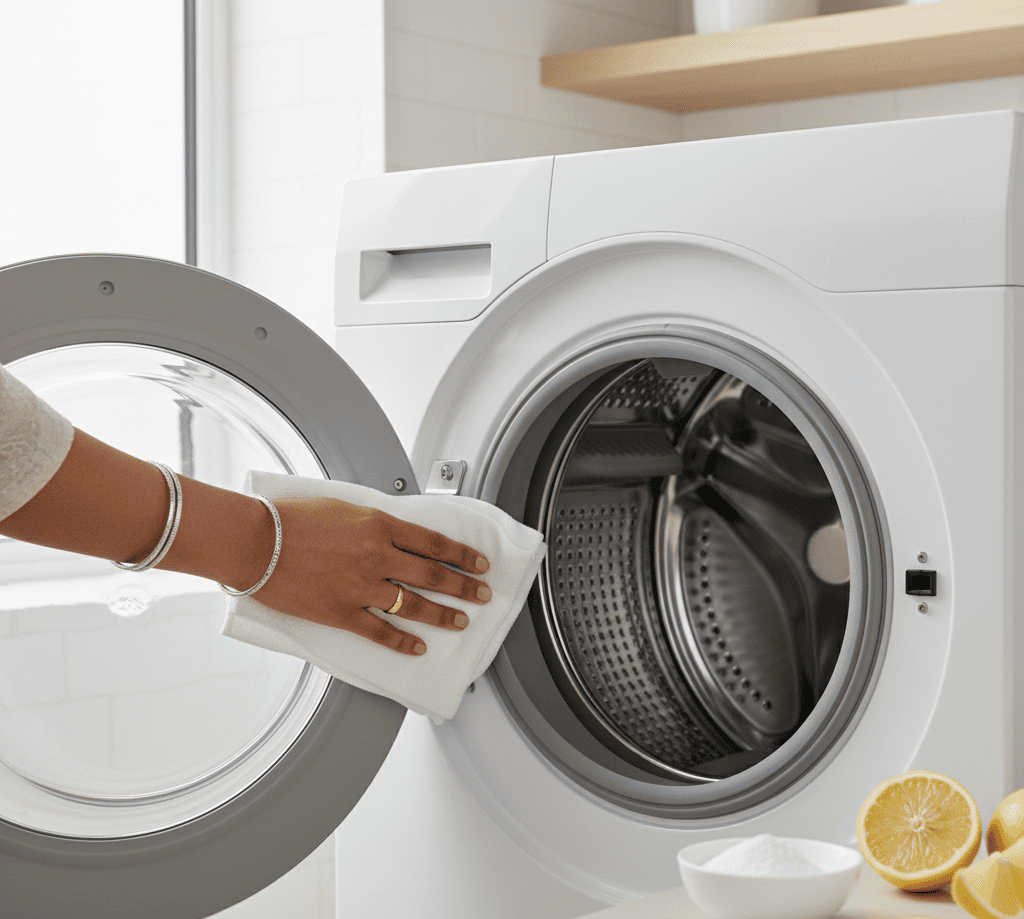
Dip a cloth or old toothbrush in vinegar and gently scrub the rubber seal, especially the folds. You may notice black residue coming off. Wipe it clean with a dry cloth afterward.
Doing this once a month prevents mold buildup and bad odor.
Cleaning the Detergent Drawer Naturally
Remove the detergent drawer and soak it in warm water mixed with vinegar for 20 minutes. Use an old toothbrush to remove residue. Rinse and dry before placing it back.
A dirty detergent drawer can send residue back into the drum, so this step is important.
Important Mistakes to Avoid
Never use harsh chemicals like bleach frequently, as they damage the drum and rubber parts over time.
Do not overload the washing machine, as it increases residue buildup.
Do not close the door immediately after washing. Trapped moisture causes mold.
Avoid using excessive detergent. More soap does not mean cleaner clothes.
Benefits of Natural Drum Cleaning
Natural cleaning methods are safe for children and sensitive skin. They extend the life of your washing machine by preventing corrosion and damage. Regular cleaning also improves wash quality, reduces electricity usage, and prevents costly repairs.
Most importantly, your clothes smell fresh and feel truly clean.
Final Thoughts
Cleaning your washing machine drum naturally is simple, affordable, and highly effective. You do not need professional cleaners or expensive products. With regular monthly care using vinegar, baking soda, or lemon juice, your washing machine will stay fresh, hygienic, and efficient for years.
If you clean your drum regularly and still notice bad smell, noise, or poor performance, it may indicate an internal issue that needs professional attention. But in most cases, natural cleaning alone can solve the problem and keep your washing machine in top condition.