Best Tips to Maintain Your Washing Machine and Avoid Costly Repairs
A washing machine is one of the most used appliances in any home. Because it works quietly in the background, most people forget that it also needs regular care. The truth is simple. A well-maintained washing machine lasts longer, performs better, and saves you from sudden breakdowns and expensive repairs.
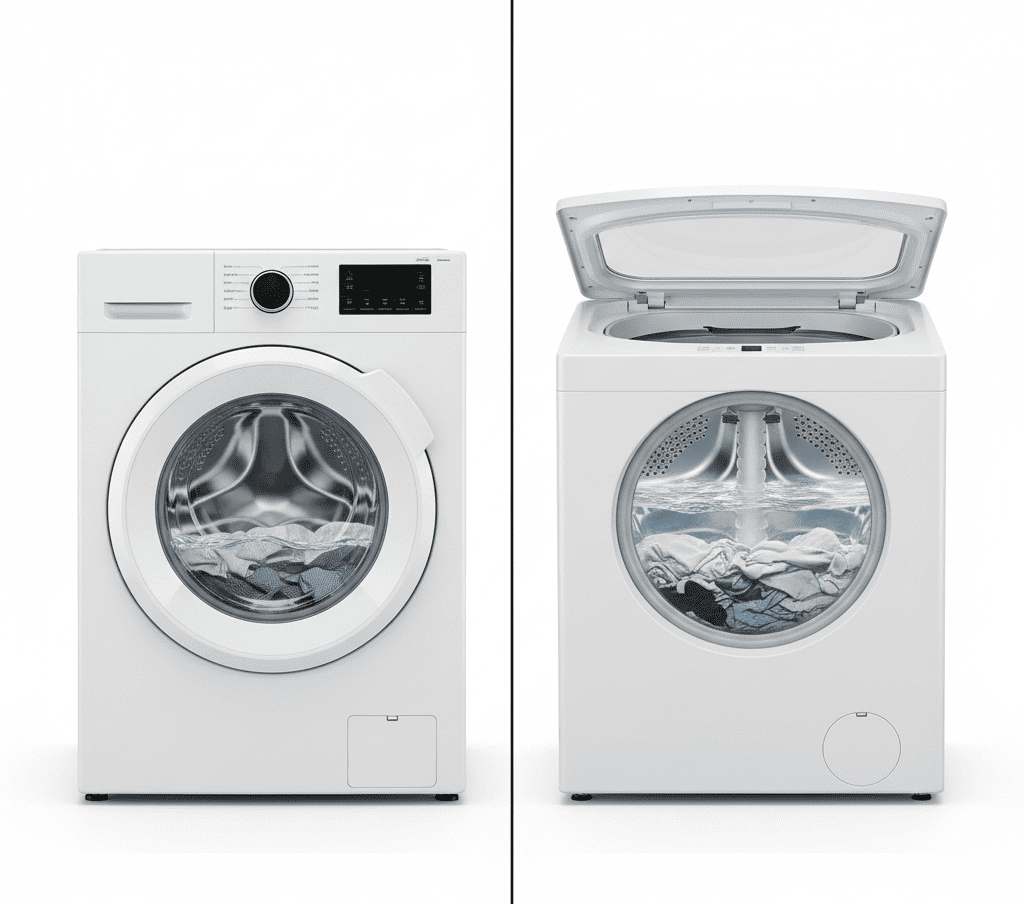
Many washing machine problems do not appear overnight. They build slowly because of poor maintenance habits, hard water, overloading, or simple neglect. With a few smart practices, you can keep your washing machine running smoothly for years, whether it is a top load, front load, semi-automatic, or fully automatic model.
Below are the best and most practical tips to maintain your washing machine properly, even if you are not technical.
Do Not Overload the Washing Machine
Overloading is one of the biggest reasons washing machines wear out early. When you put too many clothes into the drum, the motor has to work harder, bearings face extra pressure, and the drum balance gets disturbed.
Many people think filling the drum completely saves time. In reality, it reduces washing quality and damages internal parts. Clothes need space to move freely for proper cleaning. Always follow the load capacity mentioned by the manufacturer.
If the machine shakes excessively, makes loud noise, or struggles to spin, overloading is often the root cause.
Use the Right Detergent in the Right Quantity
Using too much detergent does not mean cleaner clothes. Excess detergent creates more foam, which leaves residue inside the drum, pipes, and sensors. Over time, this buildup causes bad smell, drainage issues, and error codes.
Always use detergent suitable for your washing machine type. Front load machines require low-foam detergent, while top load machines can handle regular detergent.
Measure detergent properly instead of guessing. This simple habit protects internal components and improves washing performance.
Clean the Washing Machine Drum Regularly
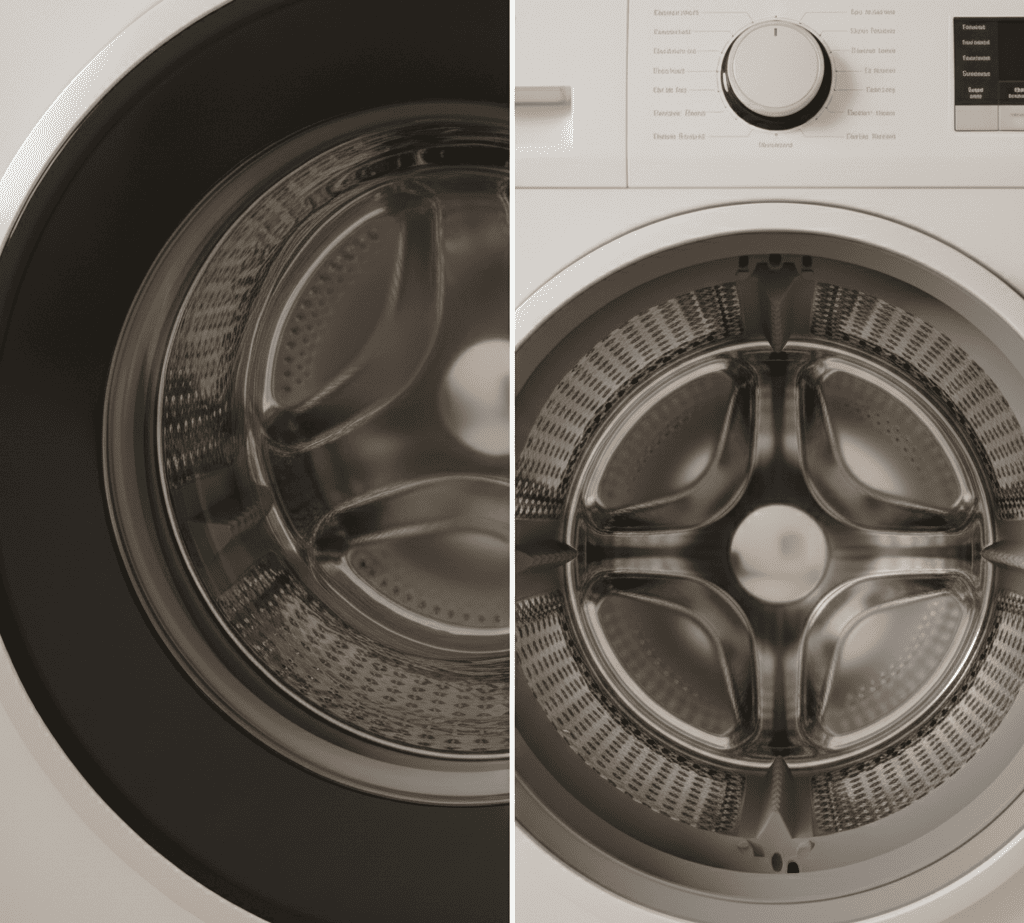
Even if your clothes look clean, the inside of the washing machine may not be. Detergent residue, fabric lint, and moisture create a perfect environment for bacteria and mold.
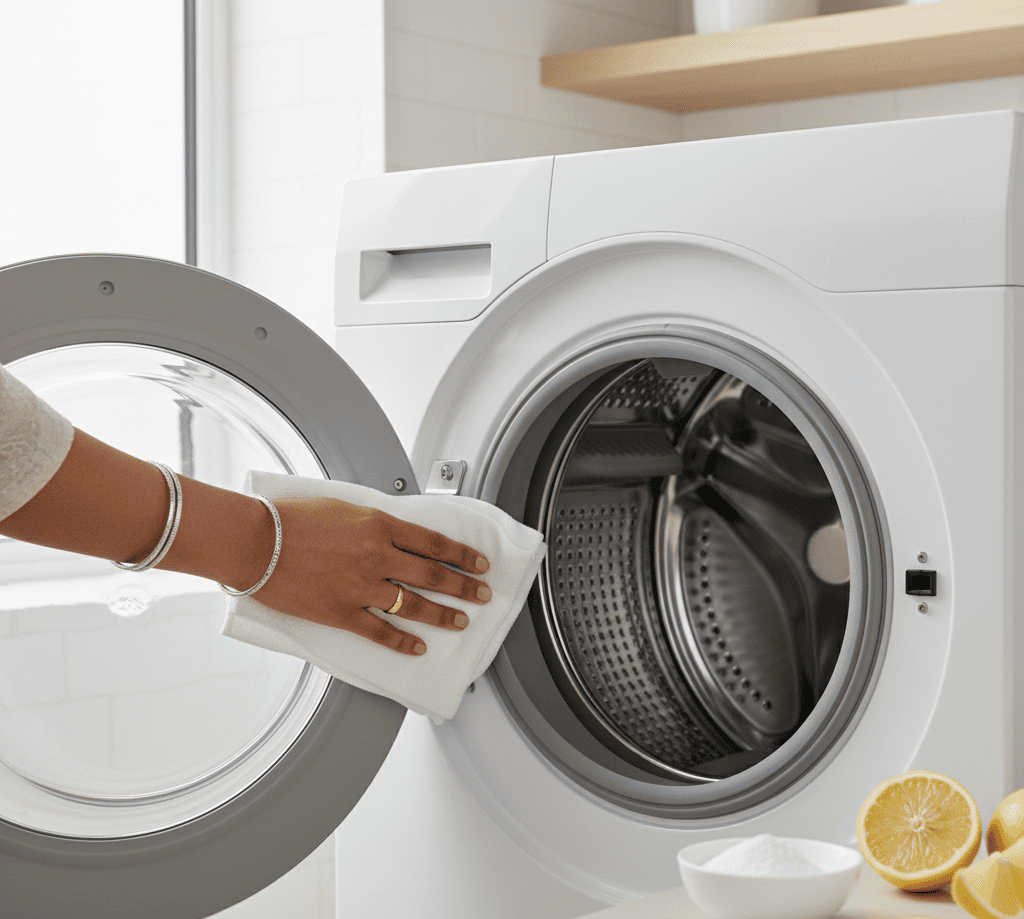
Running an empty hot water cycle once a month helps clean the drum. You can also use mild drum cleaning solutions recommended for washing machines.
A clean drum prevents foul smell, improves hygiene, and reduces long-term damage to seals and sensors.
Keep the Door Open After Every Wash
Closing the washing machine door immediately after use traps moisture inside. This leads to mold growth, unpleasant odor, and rubber gasket damage, especially in front load machines.
After every wash, leave the door slightly open for some time. This allows air circulation and helps the interior dry naturally.
This small habit goes a long way in preventing smell and extending the life of door seals.
Clean the Lint Filter and Drain Filter
Lint filters trap fibers, hair, and debris released from clothes during washing. If these filters are not cleaned regularly, water flow gets restricted and the machine struggles to drain properly.
A clogged drain filter is a common reason for slow draining and error messages. Cleaning the filter every few weeks keeps water flow smooth and protects the drain pump from damage.
Always switch off the machine before cleaning filters to avoid accidents.
Check and Clean the Water Inlet Filters
Water inlet filters stop dirt and sand from entering the washing machine. In areas with hard water or irregular water supply, these filters clog faster.
Blocked inlet filters cause low water flow, delayed wash cycles, and inlet error issues. Cleaning them every few months ensures proper water intake and smooth operation.
If water pressure feels weak or the machine takes too long to fill, inlet filters should be checked.
Avoid Voltage Fluctuation Damage
Washing machines contain sensitive electronic components. Voltage fluctuation can damage the control board and sensors, leading to frequent errors or complete failure.
Using a good quality voltage stabilizer protects the machine from power surges and sudden drops. Proper earthing is equally important for electrical safety.
Ignoring power protection is one of the costliest maintenance mistakes people make.
Balance the Machine Properly
An unbalanced washing machine vibrates excessively, makes noise, and stresses internal parts. This often happens when the machine is placed on uneven flooring.
Make sure the machine stands firmly on all four legs. Adjust the leveling screws if needed. Balanced placement improves spinning performance and reduces wear on bearings and suspension parts.
Do Not Ignore Small Warning Signs
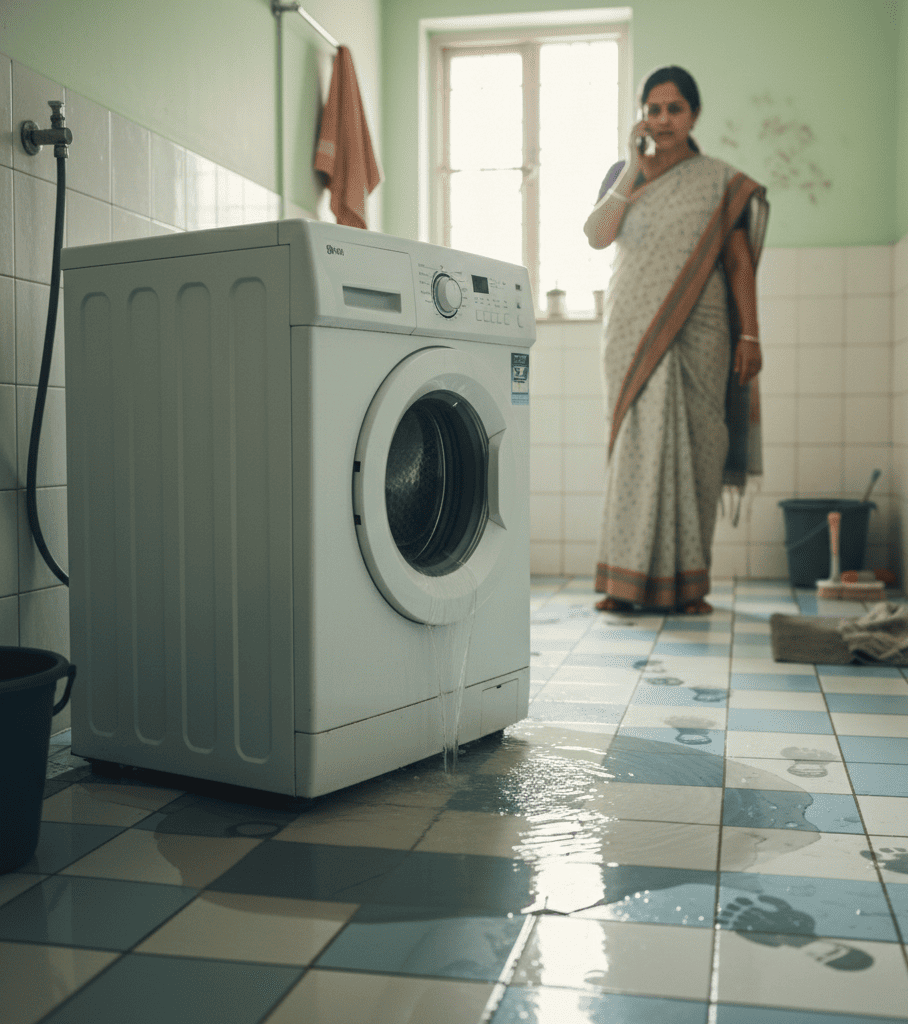
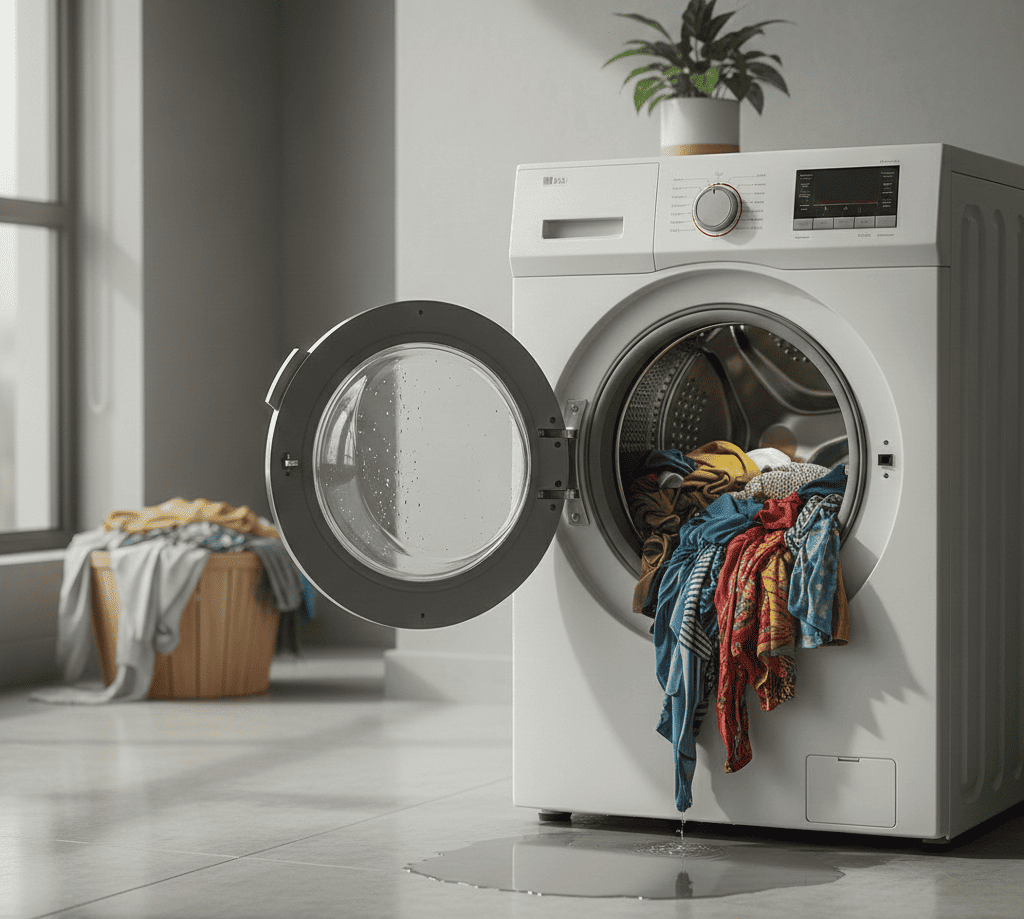
Unusual sounds, water leakage, slow draining, or repeated error messages are early warning signs. Many users ignore these until the machine stops working completely.
Timely inspection and minor repair can prevent major breakdowns. Delaying action usually increases repair cost and downtime.
If the machine behavior changes suddenly, it is better to get it checked rather than experimenting repeatedly.
Service the Washing Machine Periodically
Just like any other appliance, washing machines benefit from periodic professional servicing. A trained technician can inspect internal wiring, motor health, sensors, and moving parts.
Preventive servicing improves efficiency and catches hidden problems early. It is especially useful for machines that are used daily or are more than a few years old.
Final Thoughts
Maintaining a washing machine does not require technical knowledge or expensive tools. Simple habits like proper loading, regular cleaning, correct detergent use, and electrical safety can significantly extend the life of your appliance.
A well-maintained washing machine works quietly, cleans better, consumes less energy, and saves you from unexpected repair expenses. Treat it like a long-term investment, not a replaceable item.