How to Avoid Rust in Washing Machine Drum in Hyderabad Homes
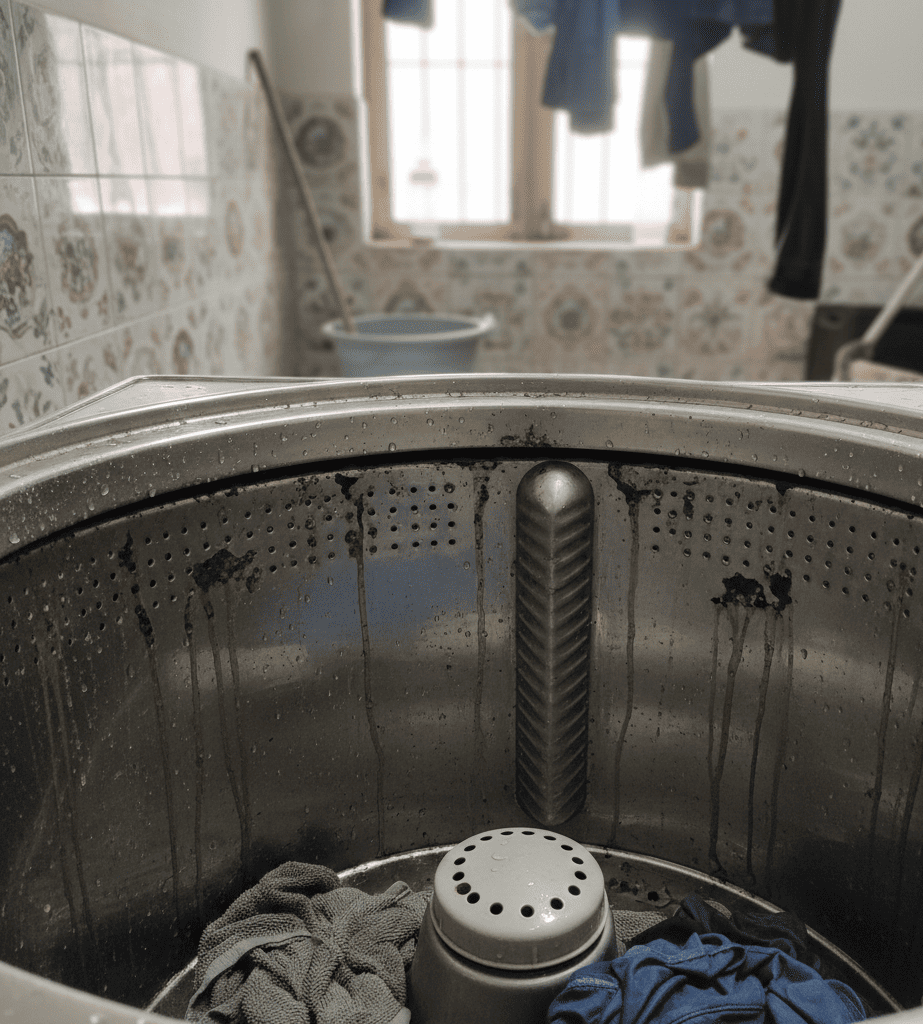
Rust inside a washing machine drum is a problem many people notice only when it has already become serious. Brown stains on clothes, rough patches inside the drum, or a metallic smell after washing are all warning signs. Once rust starts forming, it does not stop on its own. If ignored, it can damage clothes, reduce washing quality, and eventually shorten the life of the washing machine.
In cities like Hyderabad, this issue is more common than people expect. Factors such as hard water, humidity, irregular water supply, and daily usage patterns all contribute to rust formation inside washing machine drums.
The good news is that rust can be prevented. With the right habits and timely care, you can keep your washing machine drum clean, smooth, and rust-free for years. This guide explains why rust forms, what makes Hyderabad homes more vulnerable, and how you can effectively avoid rust damage.
Why Rust Forms Inside a Washing Machine Drum
Most modern washing machine drums are made of stainless steel, which is resistant to rust but not completely rust-proof. Rust forms when metal is exposed to moisture, oxygen, and minerals for long periods.
Inside a washing machine, moisture is unavoidable. Every wash cycle leaves behind water droplets, detergent residue, and humidity. When this moisture is trapped inside the drum or around joints and edges, it slowly begins to attack the metal surface.
Small scratches inside the drum make things worse. Once the protective layer of stainless steel is damaged, rust can begin at those points and spread gradually.
Why Rust Problems Are Common in Hyderabad
Hyderabad’s water quality plays a big role in rust formation. Many areas have hard water with high mineral content. These minerals settle inside the drum and around the drum holes, creating rough deposits that trap moisture.
Humidity is another major factor. During monsoon seasons or in poorly ventilated laundry areas, moisture inside the washing machine does not dry properly. This creates ideal conditions for corrosion.
In some homes, washing machines are installed in balconies or semi-open areas. Exposure to outdoor moisture, dust, and temperature changes further increases rust risk.
Always Dry the Drum After Every Wash
One of the simplest and most effective ways to prevent rust is to dry the drum after every wash. Leaving water inside the drum allows moisture to sit on metal surfaces for hours.
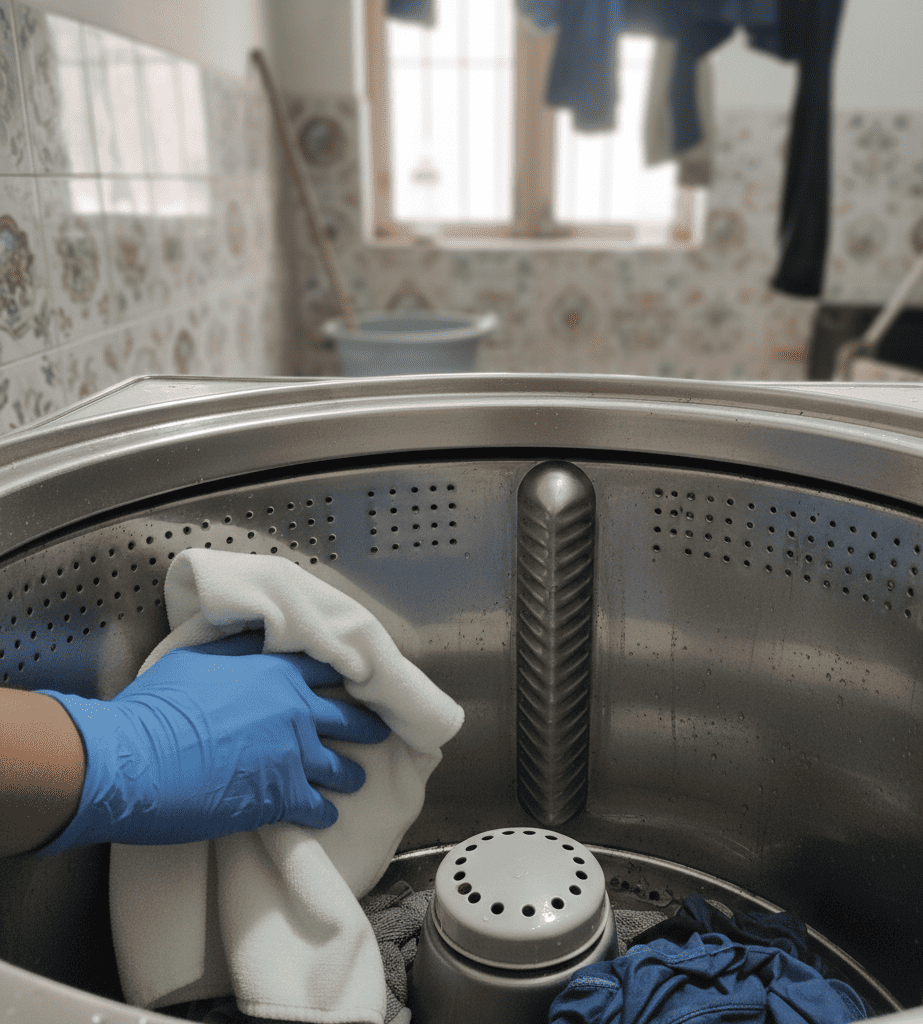
After removing clothes, wipe the drum lightly with a dry cloth, especially around the edges and door area. Leave the washing machine door open for some time so air can circulate freely.
This habit alone can significantly reduce moisture buildup and slow down rust formation.
Do Not Leave Wet Clothes Inside the Machine
Leaving wet clothes inside the washing machine for long periods increases humidity inside the drum. This trapped moisture accelerates corrosion and can also cause bad odors.
Even if you are busy, try to remove clothes as soon as the wash cycle finishes. If clothes stay inside overnight, the drum remains damp for hours, increasing rust risk.
Use the Right Detergent and Avoid Overuse
Using too much detergent does more harm than good. Excess detergent does not rinse out completely and leaves residue inside the drum and pipes. This residue holds moisture and minerals, which promotes rust.
Always use detergent recommended for your washing machine type and follow the quantity guidelines. Front load machines, in particular, require low-foam detergents.
Occasionally running an extra rinse cycle helps remove leftover detergent and keeps the drum cleaner.
Clean the Drum Regularly
Regular drum cleaning prevents mineral deposits and detergent buildup. Running an empty hot water cycle once a month helps remove residue that contributes to rust.
You can use washing machine drum cleaners or mild household solutions recommended for appliance care. Avoid harsh chemicals or metal scrubbers, as they can scratch the drum surface and make rust formation easier.
A clean, smooth drum surface is far less likely to rust.
Avoid Scratching the Drum Surface
Scratches are one of the main starting points for rust. Metal objects like coins, keys, screws, or hairpins often damage the drum during washing.
Always check pockets before loading clothes. Use laundry bags for items with hooks, zippers, or metal parts.
Never use sharp tools or abrasive pads to clean the drum. Even small scratches can expose the metal beneath the protective layer.
Control Hard Water Impact
Hard water is a long-term enemy of washing machines in Hyderabad. Mineral buildup not only affects washing performance but also increases corrosion risk.
Using water softening solutions or filters can reduce mineral deposits. Regular descaling cycles help remove existing buildup and protect the drum surface.
If hard water issues are severe in your area, periodic professional servicing becomes even more important.
Ensure Proper Ventilation Around the Machine
A washing machine needs airflow to dry properly after use. Machines placed in closed bathrooms or cramped corners trap moisture and stay damp longer.
If possible, install the machine in a well-ventilated area. Ensure there is enough space around it for air circulation.
Good ventilation reduces humidity and prevents moisture from settling inside the drum.
Fix Water Leaks Immediately
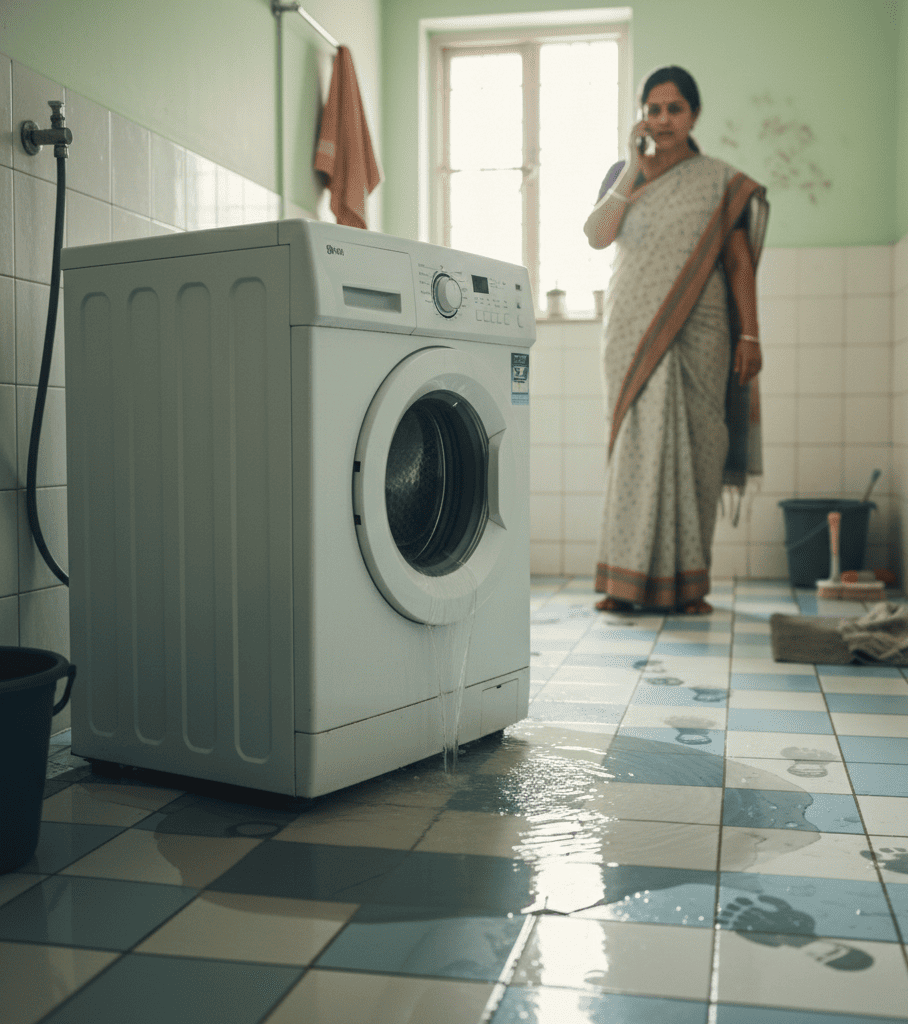
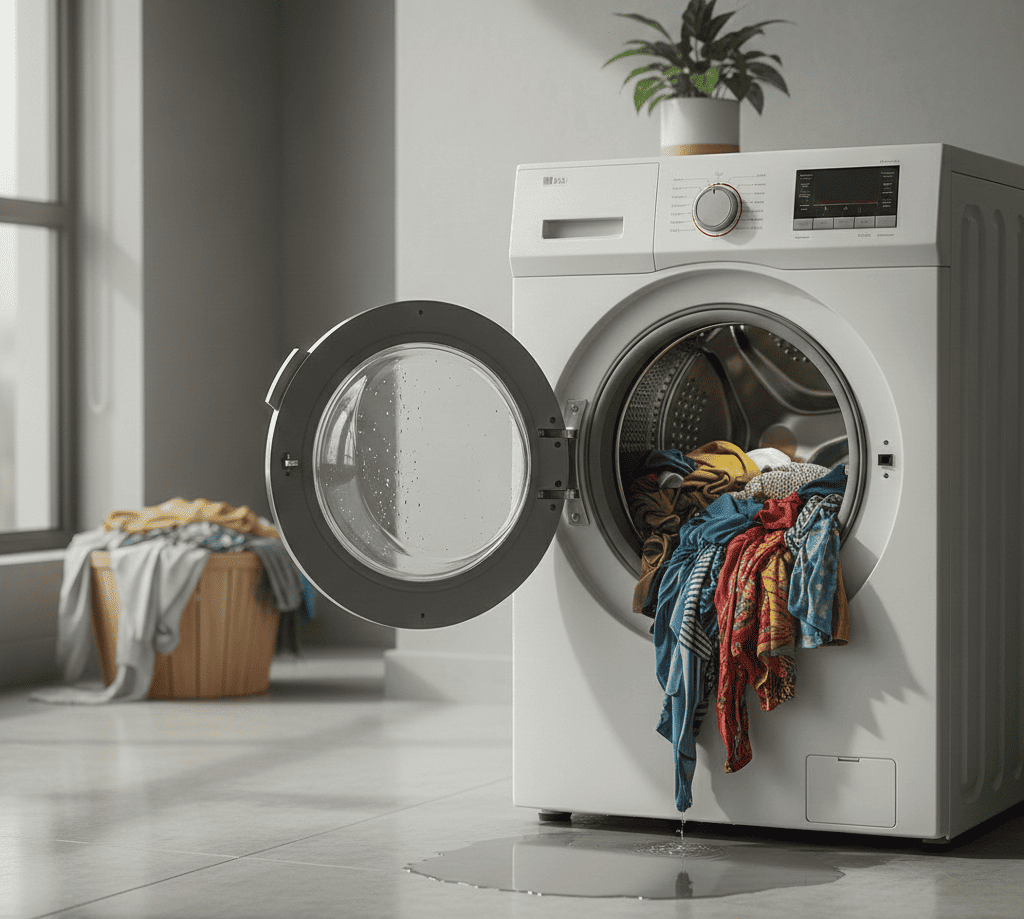
Even small water leaks can increase rust risk. Leaking hoses, faulty door seals, or loose connections allow water to seep into areas where it should not be.
Over time, hidden moisture damages metal parts and causes corrosion. If you notice water around the machine or unusual dampness, get it inspected quickly.
Early repair prevents rust from spreading to critical components.
Do Not Ignore Early Rust Spots
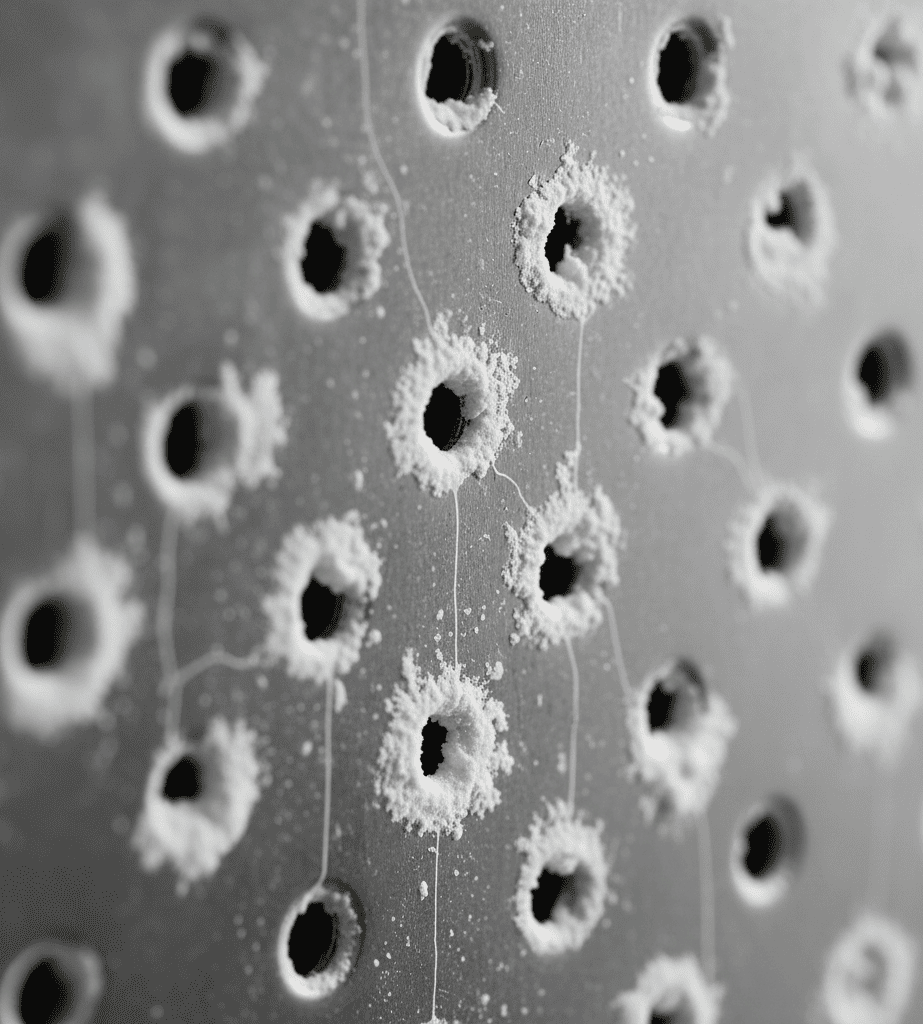
If you notice small rust spots or stains inside the drum, do not ignore them. Early-stage rust can sometimes be controlled with proper cleaning and maintenance.
Delaying action allows rust to spread deeper into the metal. Once corrosion becomes severe, drum replacement may be the only solution, which is expensive.
Periodic Professional Servicing Helps
Professional servicing helps identify hidden moisture issues, mineral buildup, and early corrosion signs. Technicians can clean internal parts and advise on preventive care based on local water conditions.
For machines used daily or installed in high-humidity areas, periodic servicing is a smart investment.
Final Thoughts
Rust in a washing machine drum does not appear overnight. It develops slowly due to moisture, hard water, poor ventilation, and neglect. Hyderabad homes face higher risk because of water quality and climate, but with the right habits, rust can be avoided.
Simple steps like drying the drum, using the right detergent, cleaning regularly, and ensuring ventilation go a long way. Preventive care is always cheaper and easier than repairing rust damage later.
A rust-free drum keeps clothes clean, protects your washing machine, and extends its lifespan. Treat your washing machine with care, and it will serve you reliably for years.