How to Check Water Level Sensor in a Washing Machine in Hyderabad – Book a Technician Before Bigger Damage Happens
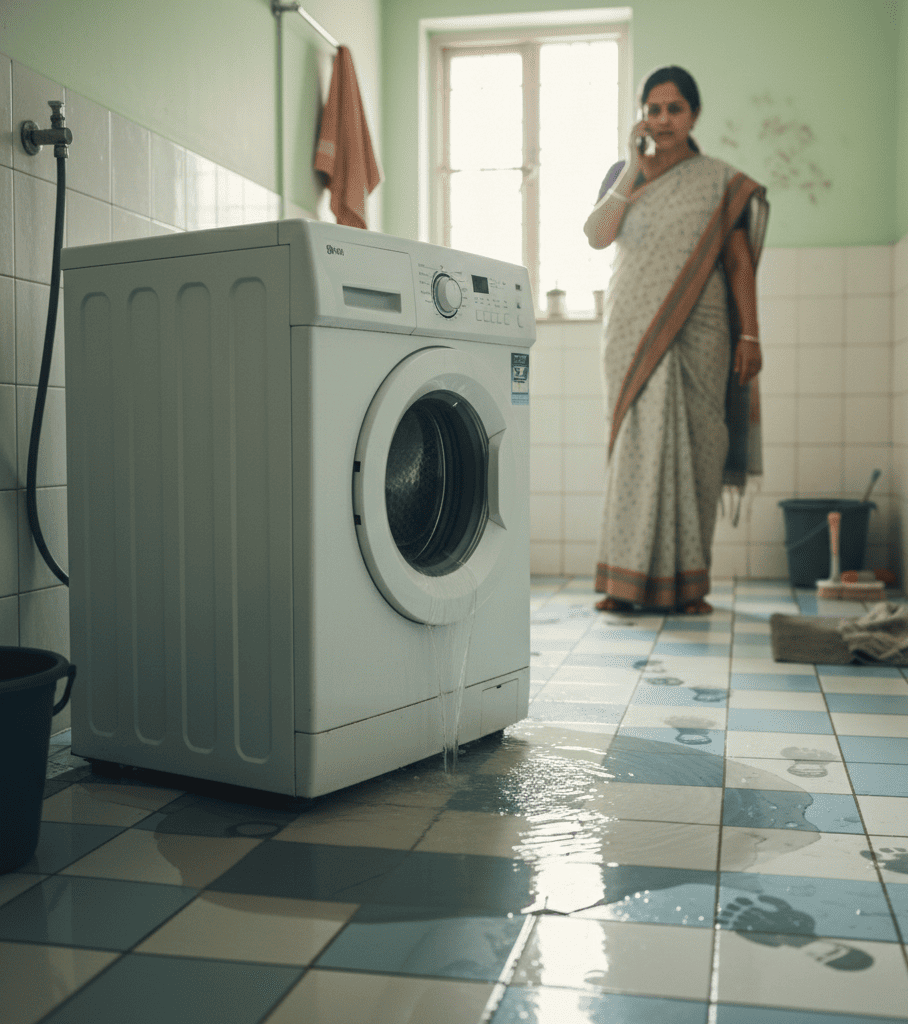
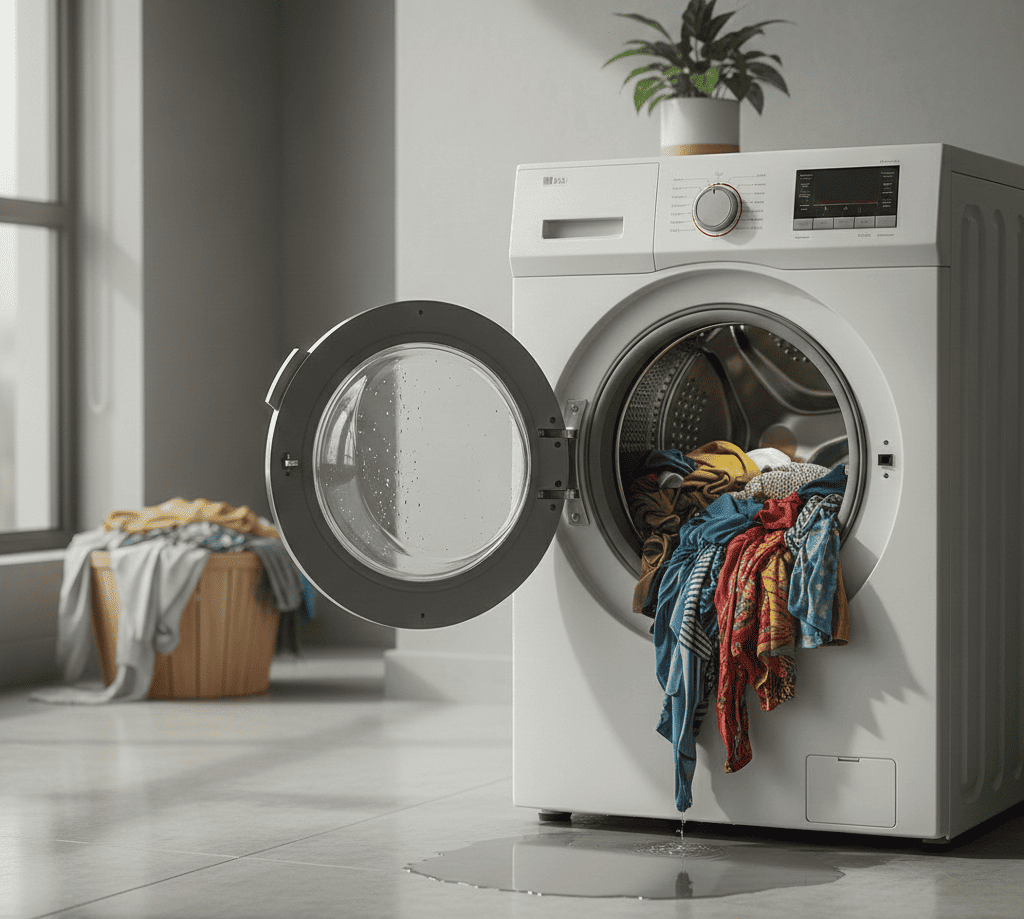
If your washing machine is filling with too much water, taking very little water, or stopping in the middle of the wash cycle, the water level sensor could be the real reason. In Hyderabad, this issue is quite common because of hard water supply, dust, and frequent voltage fluctuation.
Many people directly blame the inlet valve, drain motor, or even the PCB. In reality, a faulty water level sensor can create all these problems. The good thing is, you can do some basic checks at home before calling a technician. This guide explains everything in simple language so you understand what is happening inside your washing machine and avoid unnecessary repair costs.
What Is a Water Level Sensor and How It Works
The water level sensor is the part that tells the washing machine how much water is inside the tub. Based on this signal, the machine decides when to stop filling water and start washing, rinsing, or draining.
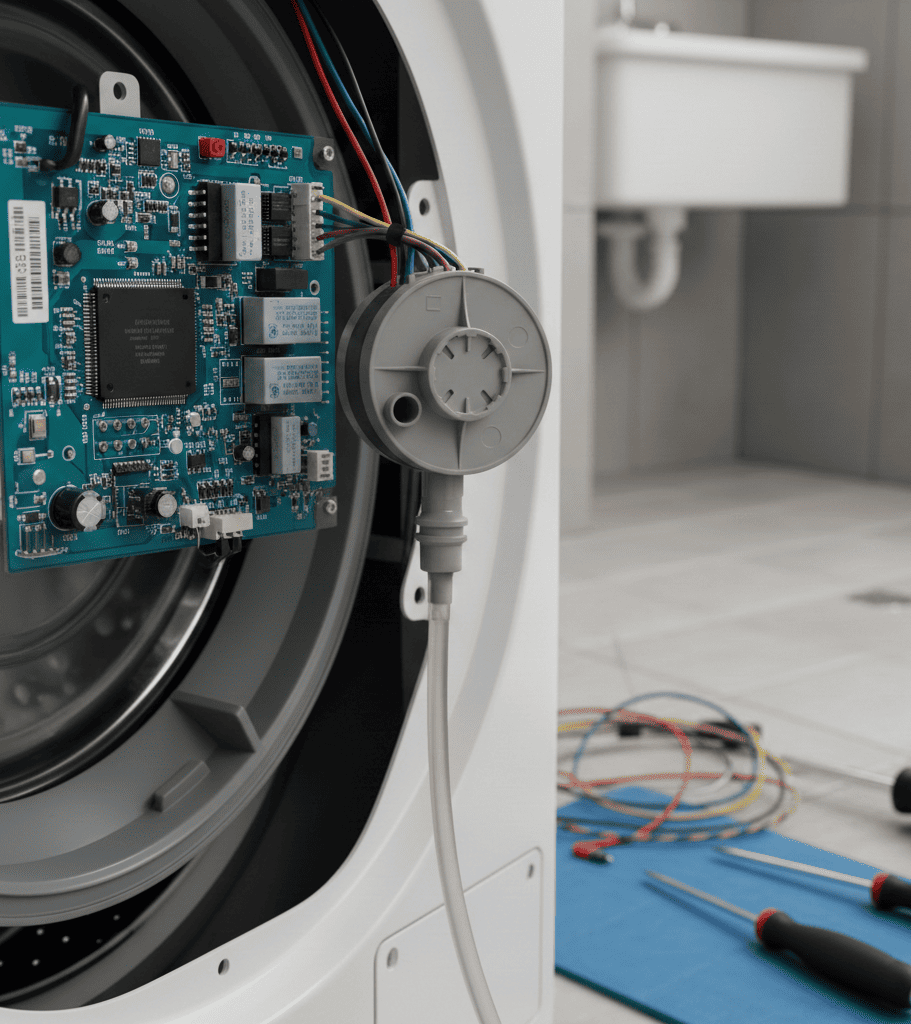
In most top-load and semi-automatic washing machines, this sensor works as a pressure switch. It is connected to a thin rubber pipe. When water fills the drum, air pressure builds up in that pipe. Once the pressure reaches a set level, the switch sends a signal to the control system to stop water intake.
In front-load and newer automatic machines, the sensor may be electronic, but the basic purpose remains the same. If the sensor sends wrong information, the entire wash cycle gets disturbed.
Common Signs of a Faulty Water Level Sensor
One of the biggest mistakes people make is ignoring early symptoms. A water level sensor usually gives warnings before completely failing.
If your washing machine keeps filling water and does not stop, the sensor may not be detecting pressure properly. If the machine takes very little water and clothes remain dry or poorly washed, the sensor may be sending a false “full” signal.
Another common issue is the machine stopping suddenly in the middle of a wash cycle. In some cases, the washer drains water immediately after filling. You may also notice error codes related to water level or pressure in digital display models.
In Hyderabad homes, hard water causes scale buildup inside the pressure pipe, which is one of the most common reasons for these symptoms.
Safety Steps Before Checking the Sensor
Before touching anything, switch off the washing machine and unplug it from the power socket. Close the water supply tap as well. This is important because even a small mistake can damage the control board or cause an electric shock.
Move the machine slightly away from the wall so you have enough space to work comfortably. Keep a dry cloth and a small screwdriver ready.
If you feel unsure at any point, it is better to stop and call a technician instead of experimenting.
How to Locate the Water Level Sensor
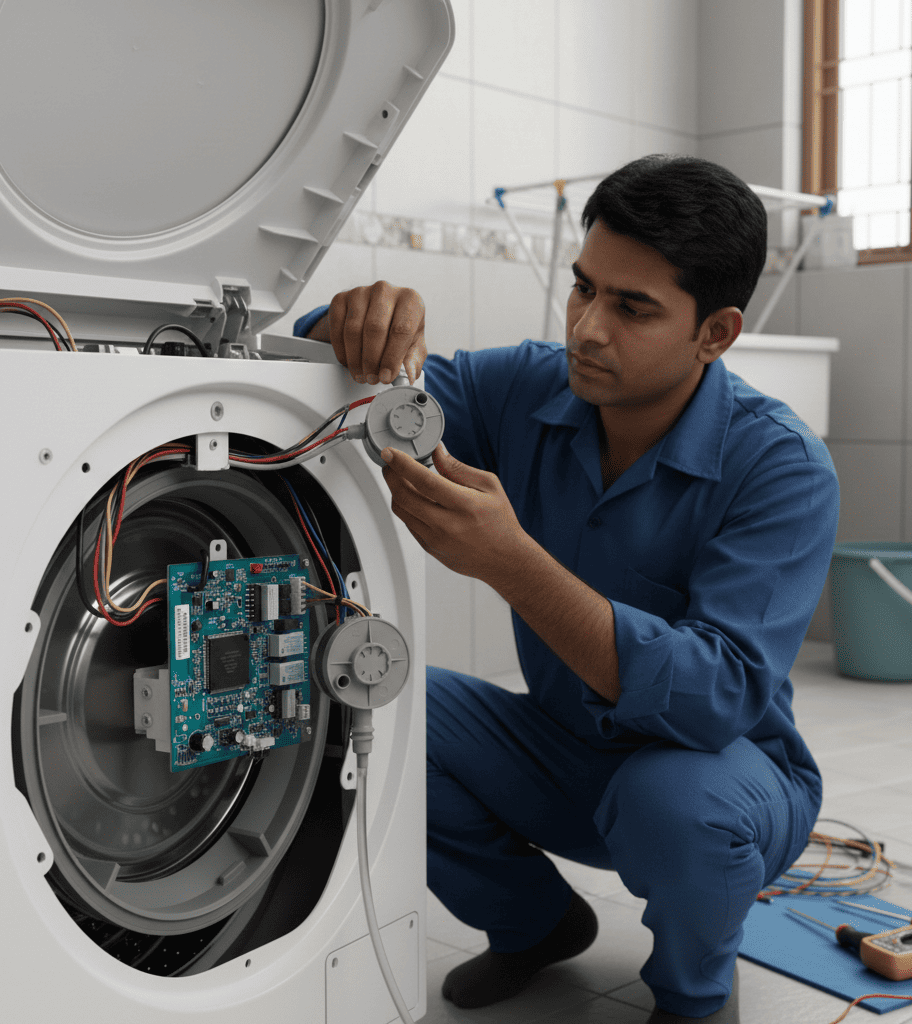
In top-load washing machines, the water level sensor is usually located under the top panel or near the control panel. It is a small round or rectangular plastic part with wires connected to it and a thin rubber pipe attached.
In front-load machines, the sensor is often placed near the side panel or top area, again connected to a pressure hose.
You do not need to remove the drum. Only the outer panel needs to be opened carefully to access the sensor.
Step-by-Step Method to Check the Water Level Sensor
First, remove the top or side panel depending on your machine model. Locate the sensor and inspect the rubber pipe connected to it. Many times, the problem is not the sensor but the pipe.
Remove the pipe gently and blow air into it. You should hear a soft clicking sound from the sensor. This click means the pressure switch is responding. If there is no sound, the sensor may be faulty.
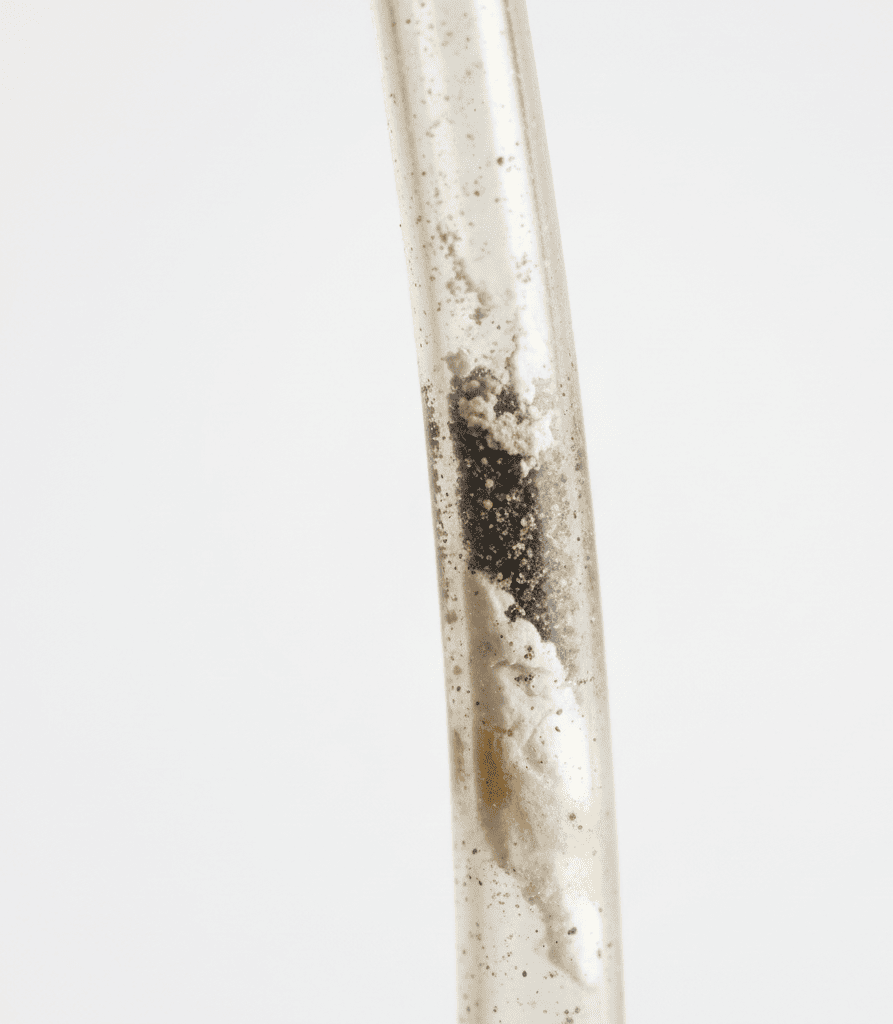
Next, check the pipe for blockage. In Hyderabad, dust, detergent residue, and hard water deposits often block this pipe. Wash it with warm water and dry it properly before reconnecting.
Now inspect the wiring connected to the sensor. Loose or damaged wires can also cause incorrect readings. Make sure the connectors are tight and there is no visible burn or corrosion.
If you have a multimeter and basic knowledge, you can test continuity, but this step is optional. Many homeowners skip this and rely on practical symptoms.
Can the Sensor Be Repaired or Cleaned
In some cases, the sensor itself is fine, and only the pipe is blocked. Cleaning the pipe solves the issue completely.
If the sensor contacts are damaged internally, repair is usually not reliable. In such cases, replacement is the safer option. Water level sensors are not very expensive compared to PCBs or motors.
Do not try to open the sensor body. It is factory-sealed and opening it can permanently damage it.
Why This Problem Is Common in Hyderabad Homes
Hyderabad has a mix of borewell and municipal water. Borewell water is usually hard and carries minerals that slowly build up inside washing machine parts.
Power fluctuations also affect sensors and control boards over time. On top of that, many households use washing machines daily, which increases wear and tear.
Because of these local conditions, water level sensor issues appear more frequently here than people expect.
When You Should Stop DIY and Call a Technician
If your washing machine still behaves abnormally after cleaning the pipe and checking connections, do not keep testing randomly. A wrong connection can damage the PCB, which is far more expensive than a sensor.
If the machine is overflowing, tripping the power, or showing repeated error codes, professional diagnosis is the safest option.
A trained technician can quickly confirm whether the sensor, inlet valve, or control board is the real issue.
Cost of Water Level Sensor Replacement in Hyderabad
The cost depends on the brand and model of the washing machine. On average, the sensor itself is affordable, and labor charges are reasonable compared to major repairs.
Calling a technician early usually saves money because the problem is fixed before it damages other components.
Final Advice for Washing Machine Owners
The water level sensor is a small part, but it controls the entire washing process. Ignoring its symptoms can lead to water wastage, poor washing results, and long-term damage.
If you are comfortable with basic checks, you can inspect the sensor and pipe at home. If not, there is no harm in getting expert help early.
If your washing machine in Hyderabad is showing water-related problems, do not wait until it completely stops working. Book a professional washing machine technician today and prevent costly repairs tomorrow.