How to Prevent Lint in Washing Machine in Hyderabad Homes
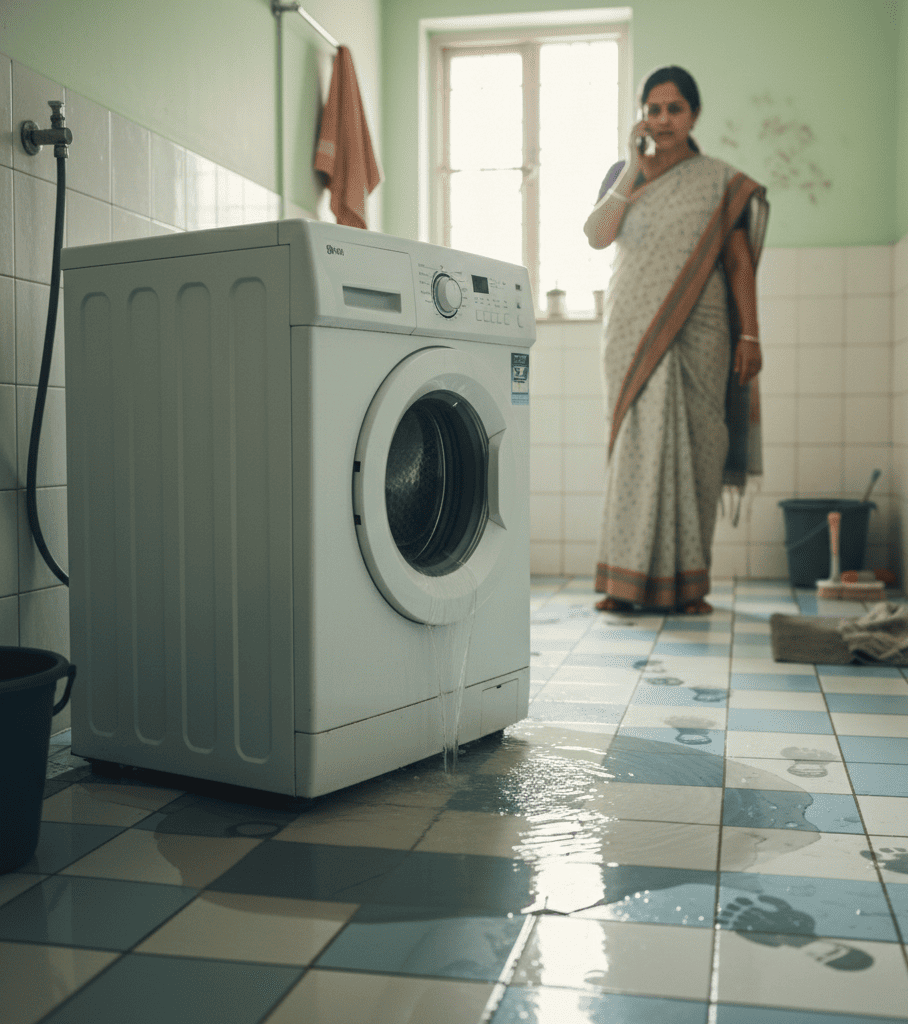
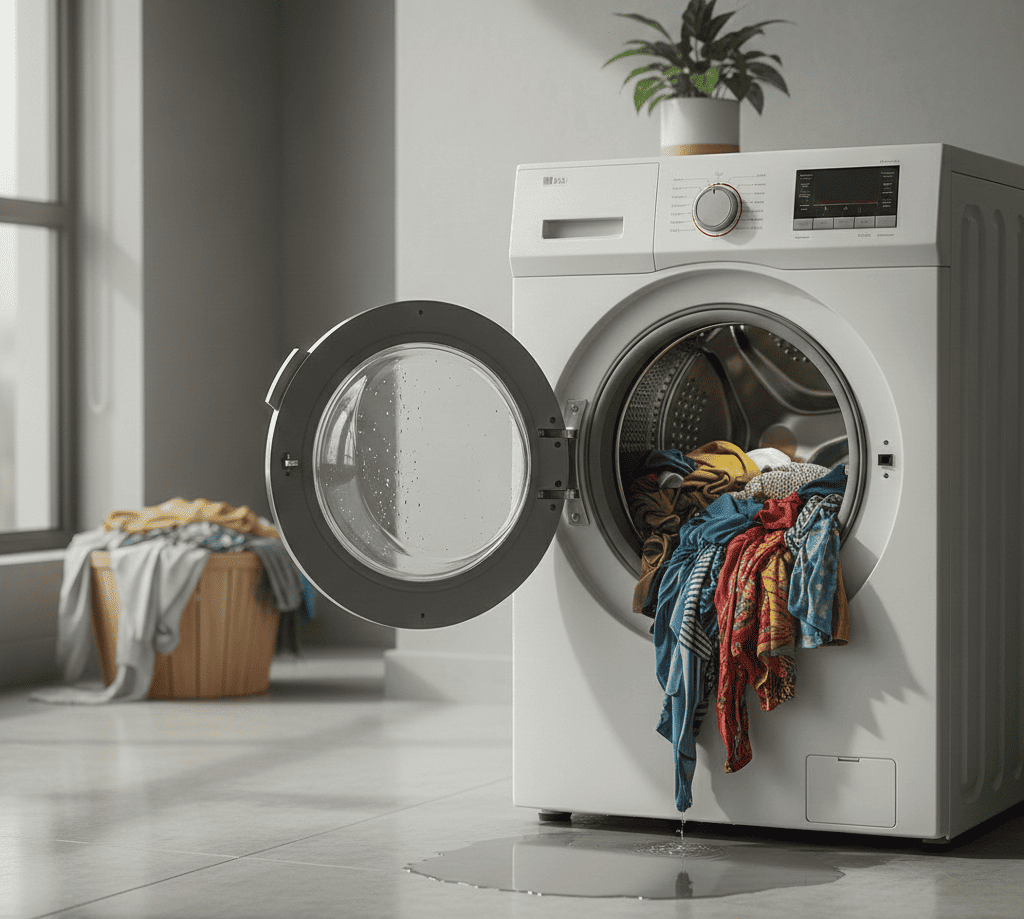
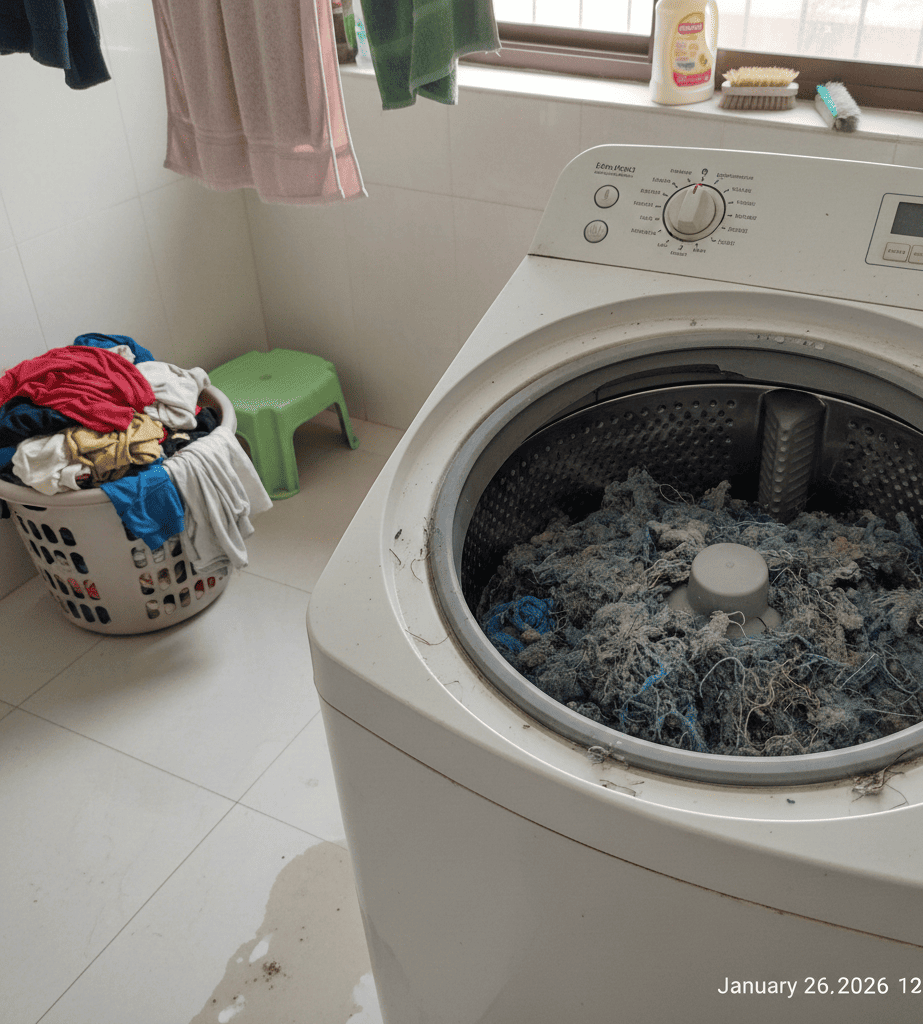
Lint buildup inside a washing machine is a problem many households notice only after it starts affecting clothes. Tiny fibers sticking to freshly washed clothes, clogged filters, slow drainage, or even strange smells are all signs that lint is accumulating inside the machine. While lint may seem harmless at first, ignoring it can reduce washing quality and slowly damage internal components.
In a city like Hyderabad, lint problems are quite common due to a mix of fabric types, hard water, frequent washing, and dust exposure. The good news is that lint can be controlled and prevented with the right habits and regular care.
This guide explains what lint is, why it becomes a bigger issue in Hyderabad homes, and how you can prevent lint buildup in your washing machine effectively.
What Is Lint and Why Does It Form
Lint is made up of tiny fibers that shed from clothes during washing. Cotton towels, woollen garments, blankets, and low-quality fabrics release more fibers compared to synthetic materials. These fibers float in the wash water and later settle inside the drum, filters, pipes, and drain system.
Every wash produces some lint. The problem starts when lint is not removed properly and begins to accumulate. Over time, this buildup affects water flow, drainage, spinning efficiency, and even causes clothes to come out with visible lint stuck on them.
Why Lint Problems Are Common in Hyderabad
Several local factors make lint buildup more noticeable in Hyderabad households. Hard water causes fibers to stick together and cling to drum surfaces instead of washing away cleanly. Dust in the environment also mixes with fabric fibers, increasing lint formation.
Frequent washing due to climate, daily wear, and mixed fabric loads further add to the problem. In many homes, washing machines are installed in balconies or semi-open areas, allowing dust to enter the drum easily.
All these factors combined make lint prevention an important part of washing machine maintenance in Hyderabad.
Sort Clothes Properly Before Washing
One of the simplest ways to reduce lint is proper sorting. Washing lint-producing clothes together with lint-attracting fabrics causes fibers to transfer from one item to another.
Cotton towels, blankets, woollens, and fleece should be washed separately from synthetic fabrics, dark clothes, and delicate garments. Sorting by fabric type reduces fiber shedding and prevents lint from sticking to clothes.
This habit also improves washing quality and protects fabrics from unnecessary wear.
Turn Clothes Inside Out Before Washing
Turning clothes inside out reduces friction on the outer surface of the fabric. Since most lint forms due to fabric rubbing during washing, this small step can significantly reduce fiber release.
This is especially helpful for cotton garments, printed clothes, and dark fabrics that show lint easily. Turning clothes inside out also protects colors and prints from fading.
Clean the Lint Filter Regularly
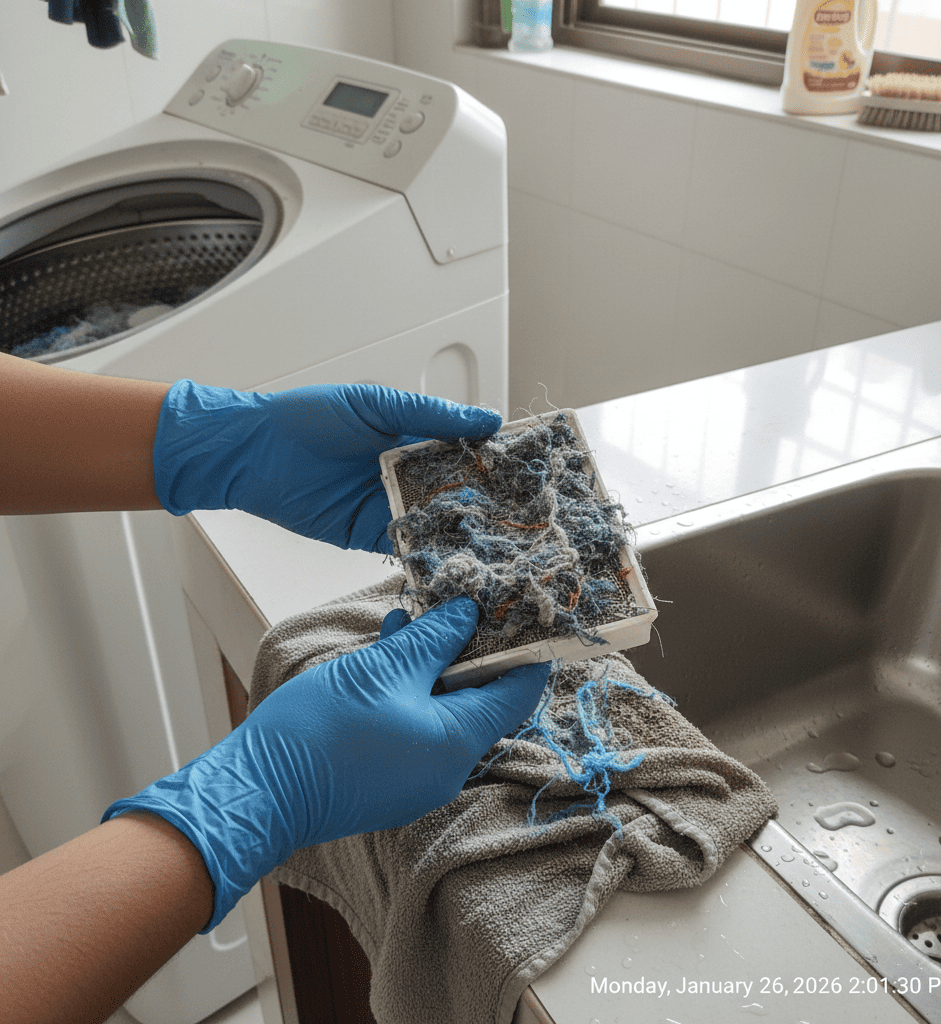
Lint filters are designed to trap fibers before they enter the drain system. If these filters are not cleaned regularly, lint builds up and starts circulating back into the drum.
In top load washing machines, lint filters should be cleaned every few washes. In front load machines, lint often collects in the drain filter, which should be checked and cleaned periodically.
A clogged lint filter is one of the main reasons clothes come out with visible lint after washing.
Avoid Overloading the Washing Machine
Overloading the washing machine increases fabric friction and prevents proper water movement. When clothes are packed tightly, fibers rub excessively against each other, producing more lint.
Overloading also reduces the effectiveness of rinsing, allowing lint to stick to clothes instead of being washed away. Always follow the recommended load capacity and leave enough space in the drum for clothes to move freely.
Use the Right Amount of Detergent
Using too much detergent creates excess foam, which traps lint and redeposits it on clothes. Detergent residue also holds fibers inside the drum and pipes.
Always measure detergent according to load size and fabric type. Front load machines require low-foam detergents, while top load machines tolerate regular detergent but still need proper quantity control.
Occasionally running an extra rinse cycle helps remove leftover detergent and lint.
Clean the Washing Machine Drum Periodically
Lint does not only stick to clothes. It also settles inside the drum holes and along the inner surface. Over time, this buildup becomes a recurring source of lint.
Running an empty hot water cycle once a month helps flush out fibers and residue. Using a drum cleaning solution occasionally can further improve results.
Avoid abrasive cleaners or metal scrubbers, as they can scratch the drum and make lint accumulation worse.
Check and Clean the Drain Filter
In many washing machines, lint eventually reaches the drain filter. If this filter is clogged, water drains slowly and carries lint back into the drum.
Slow drainage often results in clothes coming out with lint stuck to them. Cleaning the drain filter regularly ensures proper water flow and effective lint removal.
Always switch off the machine before cleaning filters for safety.
Use Laundry Bags for Problematic Fabrics
Certain items like towels, woollens, and clothes with loose fibers produce excessive lint. Washing these items inside laundry bags helps contain fibers and prevents them from spreading to other clothes.
Laundry bags are especially useful for small items and delicate fabrics that shed fibers easily.
Keep the Drum Dry After Washing
Moisture causes lint to stick inside the drum. Leaving the washing machine door open after use allows air circulation and helps the interior dry completely.
A dry drum reduces lint buildup, prevents odors, and also protects against mold and rust. This habit is particularly important in humid weather.
Do Not Ignore Early Warning Signs
If you notice clothes coming out with more lint than usual, slow drainage, or residue inside the drum, treat it as an early warning. Ignoring these signs allows lint buildup to grow and affect internal parts.
Early cleaning and maintenance prevent bigger issues like pump blockage and drainage failure.
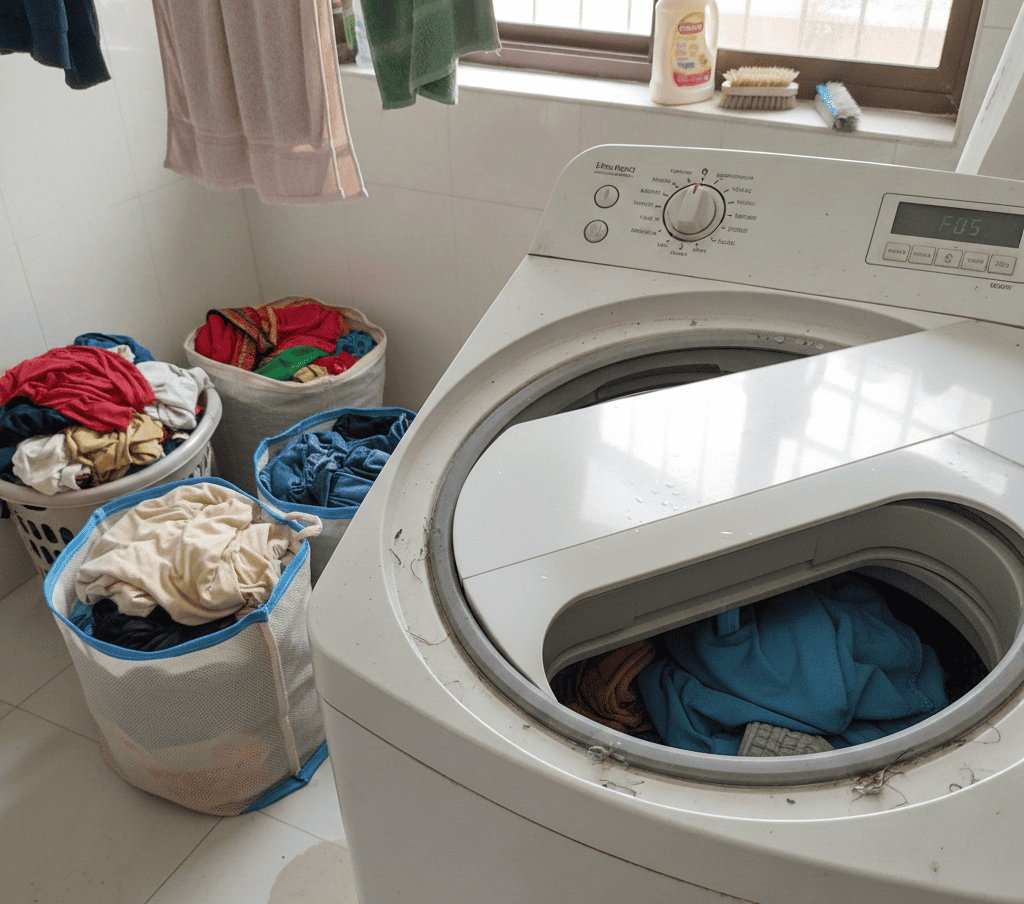
Periodic Servicing Helps Control Lint Issues
Professional servicing helps remove lint buildup from internal areas that are not accessible during regular cleaning. Technicians can clean pipes, inspect filters, and ensure smooth water flow.
For machines used daily or installed in dusty areas, periodic servicing is a smart preventive step.
Final Thoughts
Lint buildup is a natural result of washing clothes, but excessive lint is a sign of poor maintenance or incorrect washing habits. Hyderabad homes face additional challenges due to hard water, dust, and frequent usage, making lint prevention even more important.
By sorting clothes properly, cleaning filters regularly, using the right detergent, and maintaining the washing machine drum, you can significantly reduce lint problems. Small habits make a big difference over time.
A lint-free washing machine not only keeps clothes clean and fresh but also improves machine performance and extends its lifespan.