How to Avoid Electrical Hazards in Your Microwave – Essential Safety Guide for Homes in Hyderabad
A microwave has become one of the most used appliances in Hyderabad homes today. Whether you live in Kukatpally, Ameerpet, Gachibowli, Miyapur, Dilsukhnagar, or Secunderabad, it’s an essential part of daily life. From reheating food to quick cooking and defrosting, the microwave makes routine kitchen work effortless. But even though the appliance feels simple to operate, it contains high-voltage electrical components that need careful handling.
Most people notice safety issues only when a spark appears, a burning smell develops, or the display flickers. By the time these signs show up, the problem is already developing inside. Electrical hazards grow slowly—due to damaged wiring, moisture, poor maintenance, or incorrect usage. Knowing what causes these risks and how to prevent them keeps your kitchen safe and your microwave working properly for years.
This guide explains the most common electrical hazards, how to avoid them, and how Hyderabad households can keep their microwave safe in a climate that affects appliances more quickly than people realize.
Why Electrical Safety Matters with Microwaves
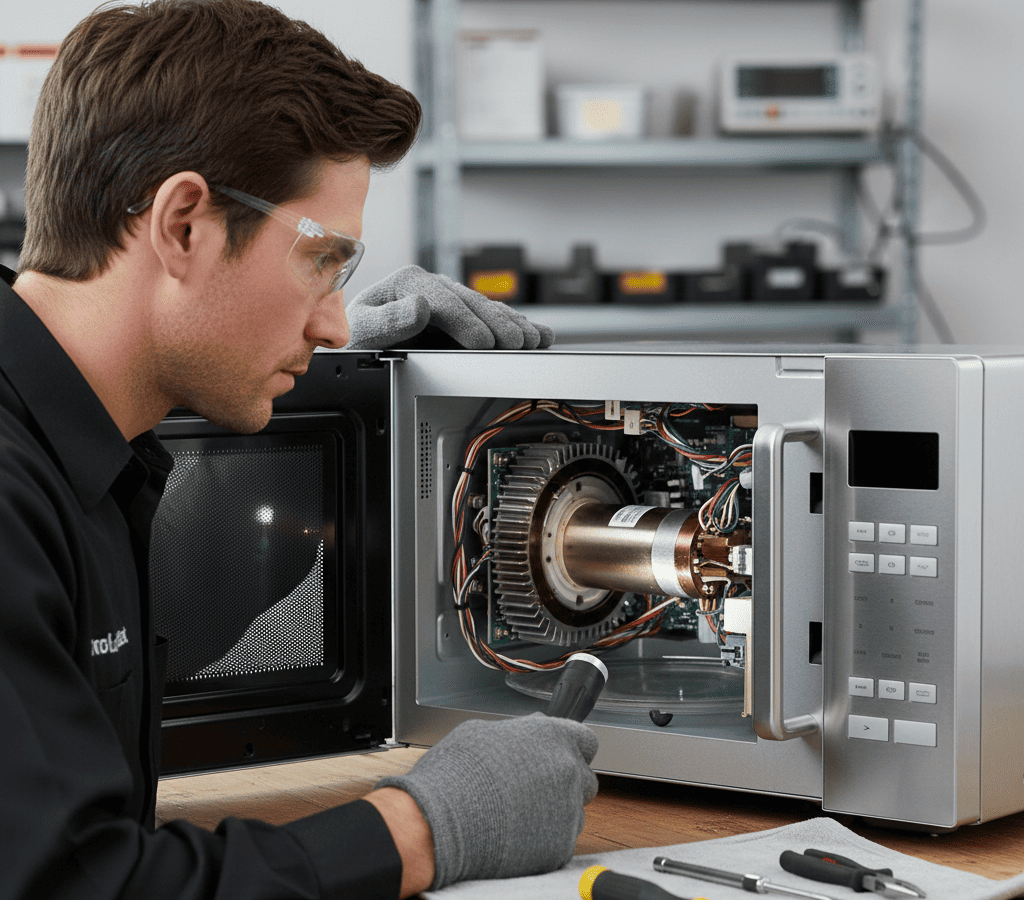
Inside every microwave, there are powerful electrical components such as the transformer, magnetron, capacitor, wiring harness, and door safety switches. These parts generate and control the electromagnetic energy that heats your food. If any of them gets damaged, overheated, or exposed to moisture, the microwave becomes unsafe.
Hyderabad’s humid weather, cooking steam, and dust accumulation can make these problems more likely. Understanding how to avoid these risks is essential for safe use.
Use a Proper Power Socket
Many electrical hazards begin simply because the microwave is plugged into an overloaded extension board or a cheap multipin adapter. Microwaves need a dedicated wall socket that can handle high current. Using poor-quality adapters or sharing the socket with other heavy appliances can lead to overheating, melting wires, sparks, and even internal short circuits.
If the plug or socket feels warm when the microwave is operating, it’s a warning sign. Get the wiring inspected to avoid a bigger electrical problem.
Protect the Microwave from Voltage Fluctuations
Different parts of Hyderabad face voltage variations, especially during summer and power interruptions. Microwaves are sensitive to these fluctuations. A sudden spike or drop can damage the magnetron or control board.
Using a stable, good-quality voltage stabilizer prevents electrical stress and keeps internal parts safe. It also helps the microwave run more smoothly and prevents unexpected shutdowns.
Never Run the Microwave Empty
Operating a microwave with nothing inside forces the magnetron to release energy without any food to absorb it. This leads to overheating and can damage internal wiring. Many households do this by mistake when testing the appliance or forgetting to place the food inside.
Even a few seconds of empty operation can weaken the magnetron. Always make sure there is something inside before starting the microwave.
Protect the Appliance from Moisture
Moisture is a major cause of electrical hazards. Hyderabad’s monsoon season and humid atmosphere increase the chances of moisture entering the microwave. Steam from cooking also gets trapped inside, especially if the microwave is placed near the gas stove.
Moisture can reach the control panel, ventilation grills, internal wiring, and door switches, causing errors and electrical faults.
To avoid this:
• Place the microwave in a dry, well-ventilated area
• Keep it away from water purifiers or wet shelves
• Wipe all spills immediately
• Leave the door open for a few minutes after use to let steam escape
Proper moisture control prevents electrical damage and keeps the microwave safe.
Check the Power Cord Regularly
A damaged power cord is one of the biggest sources of electrical risk. Cracks, bends, cuts, burns, or exposed wires indicate that the cord is not safe to use. Homes with pets often see bite marks on cords, which is extremely dangerous.
If the cord is loose at the plug, feels warm, or looks worn out, it must be replaced immediately by a trained technician. Never tape over a damaged cord or try to repair it yourself.
Keep the Microwave Clean to Prevent Sparks
Food splashes, oil droplets, and grease buildup inside the microwave can cause sparks. In many Hyderabad kitchens where rich and spicy food is cooked daily, the steam and oil settle on the microwave walls, waveguide cover, and turntable.
When these deposits heat up repeatedly, they burn and create electrical sparks or smoke.
Regular cleaning prevents this by:
• Removing hidden food particles
• Preventing arcing inside the chamber
• Keeping the waveguide cover safe
• Stopping grease from touching electrical components
Avoid metal scrapers or harsh cleaning chemicals. Use mild soap or steam cleaning to keep the appliance safe.
Use Only Microwave-Safe Utensils
Metal bowls, steel plates, aluminium foil, or containers with metallic paint can cause instant sparks. Even cracked microwave-safe bowls can create uneven heating and electrical discharge.
To stay safe:
• Use microwave-safe glass, ceramic, or approved plastic
• Avoid metal completely
• Stop the microwave immediately if you notice a spark
Many electrical mishaps in Hyderabad homes happen simply because someone unknowingly placed a metal utensil inside.
Keep the Door in Proper Condition
The microwave door contains multiple safety switches that prevent microwave radiation from escaping. If the door is misaligned or doesn’t shut properly, the microwave becomes unsafe.
Common signs of door issues include:
• The door doesn’t latch smoothly
• The microwave works only when pressing the door hard
• Light stays on after closing
• Burning smell near the hinge
• Door feels loose or wobbly
Ignoring these signs can lead to serious electrical hazards. Always get the door checked as soon as you notice a problem.
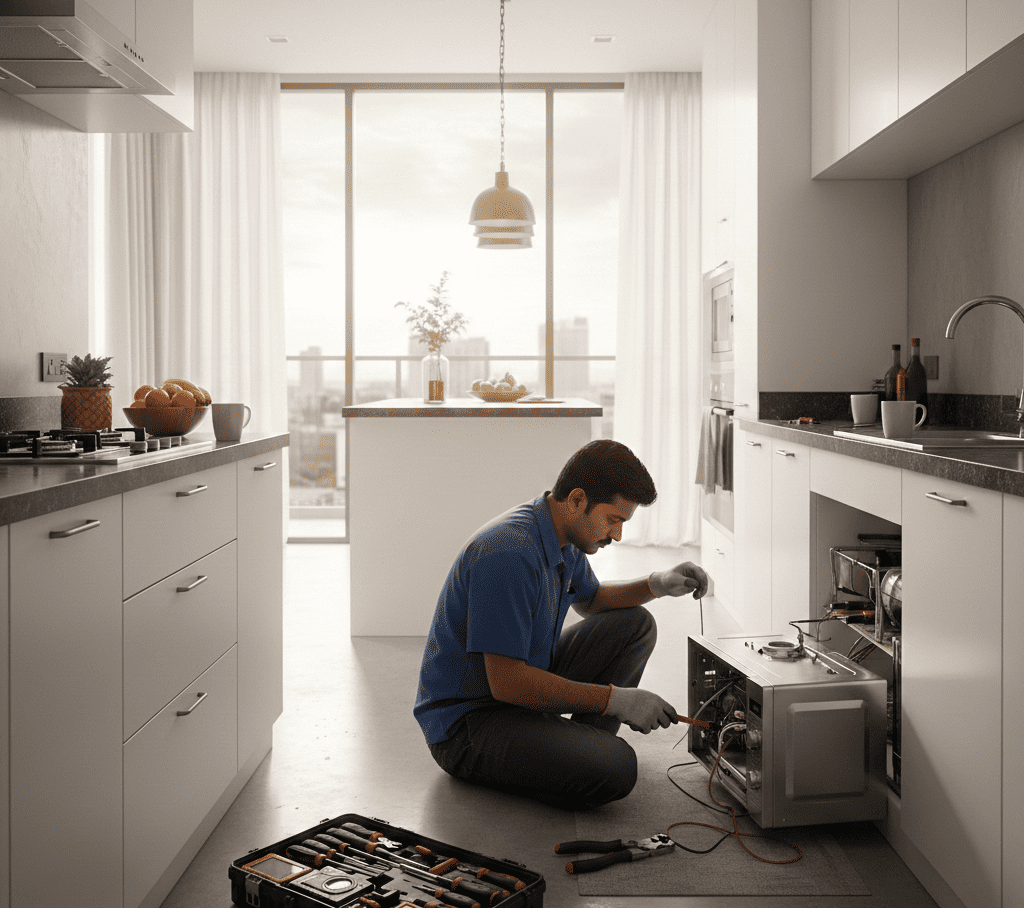
Avoid Opening or Repairing the Microwave Yourself
Even when unplugged, a microwave stores high-voltage charge in its internal capacitor. This makes it extremely dangerous to open without proper tools and training.
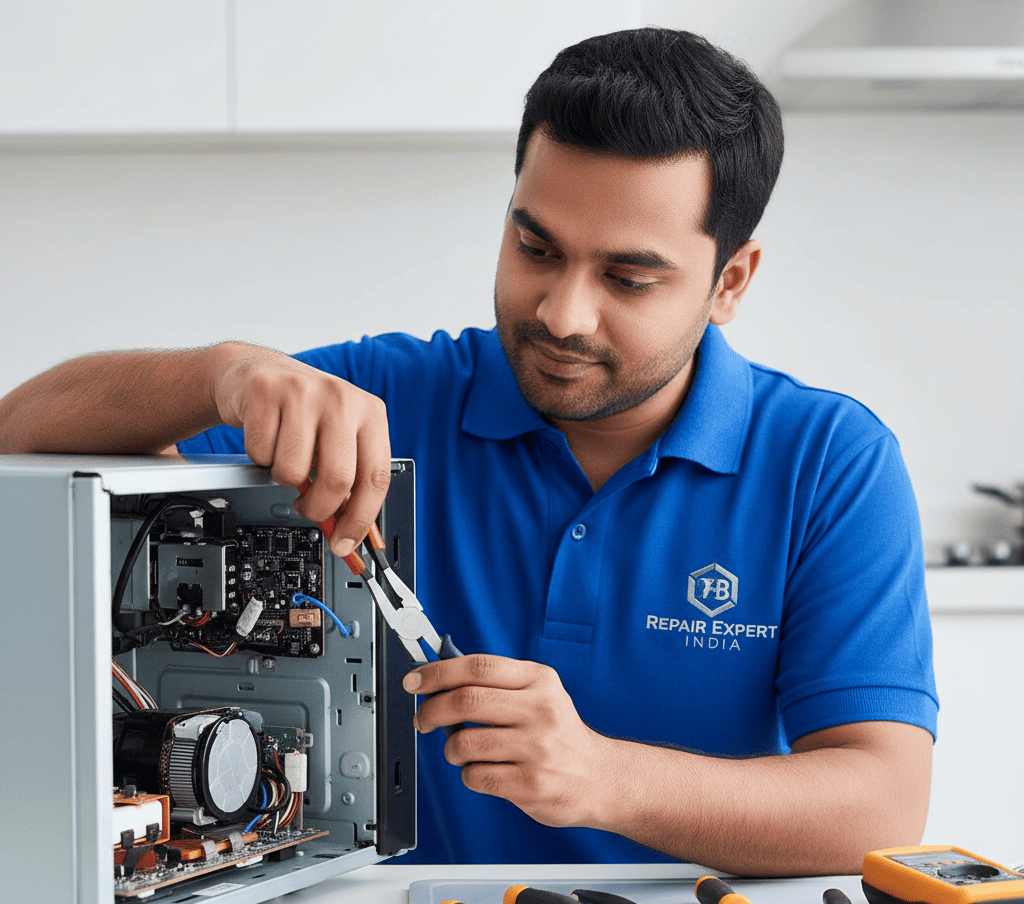
DIY repairs often lead to electric shock or further appliance damage. Internal repairs should always be handled by a professional microwave technician in Hyderabad who knows how to discharge high-voltage components safely.
Regular Servicing Prevents Electrical Hazards
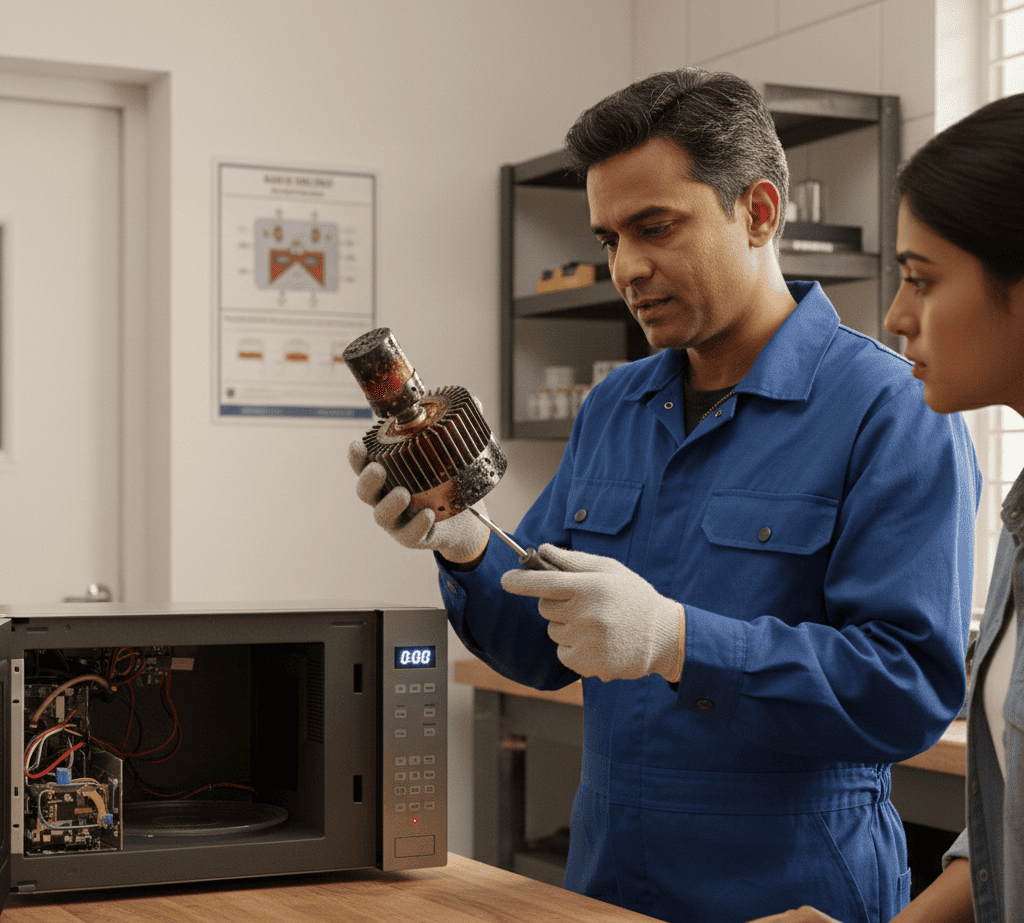
Most electrical issues are not visible from the outside. Only a trained technician can detect early signs of:
• Burnt wiring
• Failing magnetron
• Overheating capacitors
• Loose electrical terminals
• Faulty door switches
• Ventilation blockages
• Weak turntable motor
• Control board instability
Scheduled servicing once every six to twelve months ensures that hidden dangers are identified early. In a high-usage city like Hyderabad, servicing is not optional—it’s an important part of maintaining appliance safety.
Regular servicing helps:
• Prevent fires or electrical leakage
• Improve heating efficiency
• Protect high-voltage components
• Extend the lifespan of the microwave
• Keep the appliance safe for your family
Final
Electrical hazards in microwaves are completely avoidable with proper care, maintenance, and timely servicing.
If your microwave is showing sparks, a burning smell, heating issues, or door problems, it’s time to get it checked.
You can book a professional microwave safety inspection and repair in Hyderabad today to keep your kitchen safe and your appliance working smoothly.